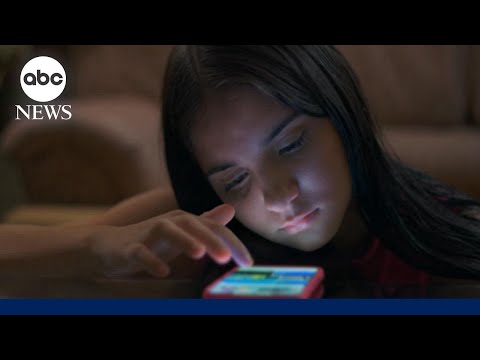
Social media, huh? It’s wild how it can connect us, but also kinda mess with our heads. You scroll through Instagram or TikTok, and suddenly you’re comparing yourself to everyone else.
This blog provides content for informational, educational, and reflective purposes only. The information published here does not constitute medical, psychological, or psychiatric advice, and it does not replace the evaluation, diagnosis, treatment, or individualized guidance of a properly licensed professional. If you believe you may be experiencing a psychological or health-related issue, consult a qualified professional as soon as possible before making important decisions about your well-being. Do not self-medicate or start, stop, or change medications, therapies, or treatments on your own. While we aim to provide useful and accurate information, we do not guarantee that it is complete, current, or suitable for every situation. Your use of this content is at your own risk, and reading it does not create a professional, clinical, or therapeutic relationship with the author or this website.
That perfect life? Yeah, it might not be so perfect. You see selfies, vacations, and all these “amazing” moments that make you feel… well, less than.
But it’s not just about feeling left out or inadequate. There’s a whole bunch of mental health stuff tied up in this social media game we play. Like, how does constantly seeing curated lives affect our mood?
Let’s be real: some days it feels like social media is both our best friend and worst enemy. So grab a snack—maybe something comforting—and let’s dig into this thing together.
The Effects of Social Media on Mental Health: Understanding the Connection
So, let’s talk about social media and how it’s kinda changed the game when it comes to mental health. You know, scrolling through Instagram or TikTok can be a double-edged sword. On one hand, it connects you to friends and family, but on the other hand, it can totally mess with your head.
First off, there’s this whole issue of comparison. You see someone’s perfect vacation photo or their killer abs online and suddenly you’re feeling a bit… less than. It’s like a trap where you start questioning yourself. Are they really that happy? Why isn’t my life like that? Well, remember, those posts are often just highlights and not the full story.
Another biggie is anxiety. Have you ever felt that rush when you post something and then obsessively check for likes? Your heart races as the notifications ping. There’s this pressure to stay relevant or get noticed, which can seriously elevate stress levels.
Here are some key effects:
- Low Self-Esteem: Constantly comparing yourself can lead to feelings of worthlessness.
- Anxiety: The fear of missing out (FOMO) can create intense feelings of anxiety.
- Depression: Studies show a correlation between heavy social media use and depressive symptoms.
- Sleep Issues: Scrolling late into the night disrupts sleep patterns.
And it’s not just about personal struggles. Social media can trigger cyberbullying too. Some people hide behind their screens and say things they might never say in person. This kind of harassment can severely affect someone’s mental health.
Look at Ethan’s story; he was once an active poster and loved sharing his life online. But after facing constant negative comments on his posts—especially about his appearance—he started withdrawing from both social media and real-life interactions. That isolation only added to his anxiety and depression.
On the flip side, social media can be a lifeline for some folks! Seriously! It helps people find communities they relate to—think support groups for mental health issues where people share experiences without judgment.
But here’s where balance comes in: Being aware of your feelings when using social media is key. Maybe limit your time or unfollow accounts that make you feel bad about yourself.
In short, while social media has its perks—like helping us connect—it also poses real risks for our mental health if we don’t watch out. The thing is, becoming mindful about how we engage online could make all the difference in our well-being!
Download Our Comprehensive Research Paper: Exploring the Impact of Social Media on Mental Health
So, social media, huh? It’s all around us these days. Like, you can’t scroll for more than a few seconds without bumping into something that catches your attention. But while it can be a space to connect and share, it has some serious impacts on mental health too. Let’s break this down a bit.
First off, there’s this whole idea of **comparison**. You hop online and see people flaunting their perfect lives—gorgeous vacations, flawless skin, or amazing accomplishments. It’s pretty tough not to think your life isn’t as shiny. It creates this weird pressure to keep up or feel like you’re falling behind. This constant comparison can lead to feelings of inadequacy and even depression.
Another biggie is **anxiety**. You know when you post something and then keep checking for likes? Yeah, that thumbs-up culture can mess with your head! If the responses aren’t what you hoped for, it can send your mind spiraling down a rabbit hole of self-doubt.
Then there’s the issue of **cyberbullying**. It sucks how online comments can cut deep. One nasty message can stick with you way longer than any compliment ever could. It’s like walking through a minefield where everyone’s got an opinion—and not all are nice.
Now let’s talk about **addiction**. Seriously! Scrolling through feeds can become kind of an escape route from reality or stressors in our lives—until it turns into hours wasted that we’ll never get back! It feels good at first but it might leave you feeling empty afterward.
And don’t forget about sleep issues! Ever stayed up late just to scroll? The blue light from screens disrupts sleep cycles big time, leading to sleep deprivation which affects everything from mood swings to concentration levels.
But let me paint a more hopeful picture too! Social media has its perks; it’s a platform where people find support for mental health challenges and share experiences that make them feel less alone. Communities geared towards mental wellness have sprouted up everywhere online.
In short:
- Comparison. Creates feelings of inadequacy.
- Anxiety. The need for validation through likes.
- Cyberbullying. Harsh comments impacting self-esteem.
- Addiction. Scrolling becomes an escape but can waste time.
- Poor sleep quality. Late-night scrolling ruining rest patterns.
So yeah, social media is like two sides of the same coin—it has its benefits but also its downsides when it comes to mental health challenges today. It’s all about finding that balance and being mindful of how much time you’re spending online versus connecting with the world around you in healthier ways!
The Impact of Social Media on Mental Health: Key Insights and Strategies for Well-Being (PDF)
Social media has become a huge part of our lives and, honestly, it can be a double-edged sword. On one hand, it helps us stay connected with people and find communities that really get us. But on the flip side, it can seriously mess with our mental health. You know?
Let’s break down some key points about how social media impacts our minds.
- Comparison Trap: Ever scroll through your feed and feel like everyone else is living their best life? That constant comparison can lead to feelings of inadequacy or even depression. It’s like we’re always measuring ourselves against an impossible standard.
- Anxiety and Fear of Missing Out (FOMO): Seeing friends hanging out without you? Yup, that hits hard. This FOMO feeling can ramp up anxiety levels. You might start to feel isolated or worry that you’re missing out on something awesome.
- Cyberbullying: Let’s not forget about the dark side of social media—people can say some really hurtful things behind a screen. Cyberbullying can have long-lasting effects on mental health, especially for younger people who are still figuring things out.
- Addiction to Likes: Social media platforms are designed to keep you scrolling. The rush from getting likes or comments can become addictive. If you’re constantly checking your phone for notifications, it might distract you from real-world interactions.
- Simplifying Emotions: Sometimes people don’t share their full selves online; they only post the highlight reel. This can create unrealistic expectations and leave you feeling lonely when your own life doesn’t seem as exciting.
Now, don’t freak out! There are strategies you can use to balance your mental health while enjoying social media.
- Set Boundaries: Try limiting your time on social media daily. Maybe set a timer? Once that alarm goes off, put down the phone!
- Curation is Key: Follow accounts that make you feel good or inspired instead of those that drag you down. Seriously—your feed should reflect positivity and support.
- Take Breaks: Stepping away for even a few days can be refreshing! You’d be surprised at how much clearer your mind feels without constant notifications buzzing in your pocket.
- Talk About It: If social media is making you anxious or sad, chat with someone about it—friends, family, or even a therapist! Sharing what you’re feeling helps lighten the load.
For example, I had a friend who decided to take a month off Instagram after realizing how anxious she felt whenever she posted something. She came back feeling more grounded and way less stressed.
So yeah, social media is kind of like candy—it’s sweet and fun but too much isn’t great for anyone! Finding balance means taking care of yourself while still enjoying connections online.
So, let’s talk about social media and how it’s kind of a double-edged sword for our mental health. On one hand, it connects us. Like, remember that time when you caught up with an old friend through Facebook? Or how you found a community of people who totally get what you’re going through in those Instagram support groups? That’s one side—the warm and fuzzy part.
But then there’s the darker side. Honestly, scrolling through perfect photos can feel like everyone else is winning at life while you’re just… there. It’s like, “Why do I not look like that?” or “Why am I not traveling to exotic places?” It can mess with your self-esteem. There was this moment when a friend of mine started comparing herself to influencers and ended up feeling pretty low. She said she started questioning her own life choices because they didn’t seem as glamorous as what she saw online.
And then there’s the constant buzz of notifications. Sometimes it feels overwhelming, like there’s no escape from the noise. You might find yourself nervously checking your phone too often, right? It can lead to anxiety and even make you feel isolated—even when you’re surrounded by a bunch of virtual friends.
Also, let’s not forget about the trolls and negative comments that can just ruin your day in seconds. You share something personal and boom! Someone has to throw shade. Ugh! That hurts more than people realize.
So yeah, social media has this weird way of amplifying both connection and loneliness all at once. Finding balance is key—it might mean setting boundaries or taking breaks when things feel too heavy or toxic. It really depends on what works for you personally. So take a moment to reflect on how it affects your mental space—because it totally does!