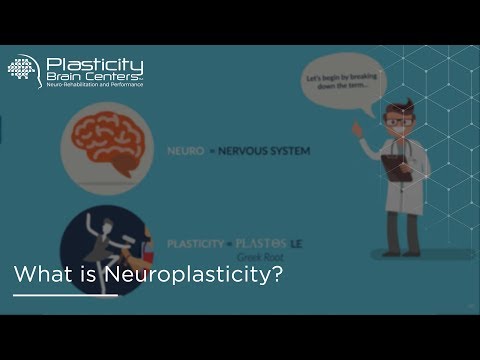
Hey! So, let’s chat about something kinda cool: mental plasticity. Ever heard of it?
This blog provides content for informational, educational, and reflective purposes only. The information published here does not constitute medical, psychological, or psychiatric advice, and it does not replace the evaluation, diagnosis, treatment, or individualized guidance of a properly licensed professional. If you believe you may be experiencing a psychological or health-related issue, consult a qualified professional as soon as possible before making important decisions about your well-being. Do not self-medicate or start, stop, or change medications, therapies, or treatments on your own. While we aim to provide useful and accurate information, we do not guarantee that it is complete, current, or suitable for every situation. Your use of this content is at your own risk, and reading it does not create a professional, clinical, or therapeutic relationship with the author or this website.
It’s like how our brains can change and adapt, you know? Think of those times when you learned a new skill or tackled a tough situation. That’s your brain doing its thing.
But, seriously, this isn’t just some fancy term. It’s super important for our mental health.
This whole idea can help us understand ourselves better and even improve how we feel. Sounds interesting, right? Let’s dig in!
Unlocking Mental Plasticity: Understanding Brain Adaptability and Its Impact on Mental Health
Mental plasticity, or **neuroplasticity**, is a big deal when it comes to understanding how our brains work and how they can change over time. You know how sometimes you feel like you’re stuck in a rut, thinking the same things over and over? Well, neuroplasticity is like your brain’s way of saying, “Hey, we can totally switch things up!” It’s this amazing ability of the brain to reorganize itself by forming new neural connections throughout life.
When we’re talking about mental health, **mental plasticity** plays a crucial role. Here’s why it matters:
- Adaptability: Your brain can adapt to new experiences and learning—even if you think you’re too old for that. For example, imagine learning a new language or picking up an instrument in your 40s. Your brain rewires itself to accommodate these challenges.
- Recovery: If someone suffers a brain injury or stroke, neuroplasticity helps in recovery by allowing other parts of the brain to take over functions that were lost. It’s kind of miraculous if you think about it!
- Mental Health Treatments: Therapies like cognitive behavioral therapy (CBT) capitalize on this adaptability. By changing thought patterns and behaviors through practice and repetition, you’re literally reshaping your brain’s pathways.
- Resilience: Engaging with experiences that promote mental plasticity—like mindfulness or learning new skills—can boost resilience against stress and anxiety. It’s like giving your mind some weights to lift! You get stronger and more flexible.
- Emotional Regulation: When our brains are more adaptable, we can better manage emotions. This means not getting as overwhelmed when life throws curveballs at us. For instance, practicing gratitude can shift your perspective and influence emotional responses.
Now let me hit you with a little story here: I once knew someone who struggled with severe anxiety for years. Every day felt like climbing Mount Everest just to get out of bed. But after starting therapy focused on challenging negative thoughts—basically rewiring her responses—she slowly began rediscovering joy in small moments: baking cookies, taking walks in nature—you name it! Over time, those little actions helped her create new neural pathways that made coping with anxiety feel less daunting.
It’s worth noting that while neuroplasticity holds much promise, it isn’t limitless; some critical factors influence it too—everything from our environment to lifestyle choices can play a part.
So there you have it! Mental plasticity isn’t just some fancy term tossed around in psychology books; it’s about real change happening within us all the time. The more we understand this concept, the better equipped we are to navigate our mental health journeys!
Understanding Plasticity in Psychology: Real-Life Examples and Insights
Understanding plasticity in psychology can feel a bit like diving into a world of possibilities. So, let’s break it down nice and easy, shall we?
First off, plasticity refers to the brain’s incredible ability to change throughout your life. You know how a rubber band can stretch and bend but still return to its normal shape? Well, that’s kind of what mental plasticity is about! The brain can form new connections, strengthen existing ones, or even reroute pathways after injuries or in response to new experiences.
One key type of plasticity is called neuroplasticity. This happens when neurons (those little brain cells) communicate and adapt based on what you learn or experience. It’s seriously fascinating! For instance, think about someone who starts learning a musical instrument later in life. Initially, their fingers might feel clumsy on the keys. But with practice, those neural pathways strengthen. They become more adept at playing—demonstrating how practice (and patience) reshapes the brain.
But wait! There’s also something called functional plasticity, which kicks in mainly after an injury. Imagine if certain areas of your brain were damaged—say from a stroke. The cool thing is that other parts of the brain might take over those tasks that were once handled by the injured areas. It’s like when you lose Wi-Fi in one part of the house; you just find another spot where the connection is stronger.
Now let’s talk about emotional experiences for a second. You’ve probably heard about people changing their thought patterns through therapy, right? Well, cognitive-behavioral therapy (CBT) is one approach where this concept really shines! If someone struggles with anxiety, CBT helps reframe unhealthy thoughts into more positive ones. With practice and consistency—boom—the brain creates stronger connections for healthier thinking!
Also consider habits: if you’re trying to break a bad habit like smoking or overeating, understanding plasticity can help motivate you. Even small changes in your routine can eventually lead to significant shifts in behavior over time as your brain adjusts and rewires itself to support healthier choices.
So yeah, whether it’s learning something new or overcoming challenges from past experiences—plasticity shows us that our brains are always capable of growth and change! It’s exciting stuff because it means you’re never too stuck or too old to learn something new or change for the better.
In real-life terms:
- Learning music: Brain connections strengthen with practice.
- Recovering from injury: Other parts of the brain step in.
- Cognitive-behavioral therapy: Changing thought patterns leads to change.
- Sustained effort: Small habit changes yield big results.
So there you have it! Plasticity isn’t just some fancy term; it’s at work every day in our lives as we learn and grow emotionally and intellectually. Your brain’s flexibility opens up endless opportunities for improvement and healing—and that’s pretty powerful if you ask me!
Understanding Mental Plasticity: Its Impact on Psychology and Health
Mental plasticity, or neuroplasticity, refers to the brain’s ability to reorganize itself by forming new neural connections throughout life. Basically, it’s like your brain’s way of adapting and changing in response to experiences, learning, and even injuries. Pretty cool, huh?
You know how when you learn something new, like playing an instrument or picking up a language, your brain starts building these pathways? That’s mental plasticity in action! The thing is, this flexibility isn’t just limited to learning new skills. It also plays a significant role in our emotional healing and mental health.
How Does Mental Plasticity Work?
Your brain is made up of billions of nerve cells called neurons. When you think or do something repeatedly, those neurons fire together and create pathways. The more you use those pathways, the stronger they become. So basically, if you’re thinking positively or practicing mindfulness regularly, you’re shaping your brain to be more resilient and adaptable.
Think about someone recovering from a stroke—they may need to relearn basic movements or speech. Thanks to neuroplasticity, their brains can form new connections to compensate for the lost functions! This is just one example of how adaptable our minds can be.
The Impact on Psychology
Now let’s look at how this ties into psychology. Mental plasticity holds immense potential for treating various mental health conditions. For instance:
- Depression: Therapy approaches like Cognitive Behavioral Therapy (CBT) leverage mental plasticity by helping you reshape negative thought patterns into healthier ones.
- Anxiety: Mindfulness practices can gradually change the way your mind responds to stressors by creating more positive associations.
- PTSD: Through trauma-informed therapy techniques, individuals can rewire their brains around traumatic memories.
By understanding that our thoughts and behaviors can physically change our brains, therapy feels a bit less daunting—it’s not always about «fixing» something broken; it’s more about evolving.
The Connection with Health
This concept doesn’t stop at psychological stuff either—it has tangible impacts on physical health too. Research suggests that engaging in activities that promote cognitive functioning can help delay age-related decline or even improve recovery outcomes after illness.
So let’s say you decide to take up painting or start solving puzzles regularly; not only are you having fun but you’re also doing wonders for your brain! Studies have shown that such activities stimulate neurotransmitter release and promote overall mental well-being.
In essence, harnessing the power of mental plasticity means taking charge of your cognitive growth even as life throws its challenges at you.
In wrapping this up—a flexible brain means a better quality of life! Whether you’re navigating through tough emotions or picking up a new hobby, keep in mind that every effort counts toward reshaping how you think and feel. You’ve got the tools right there inside your head—just waiting for the opportunity to grow!
Mental plasticity is one of those concepts that can feel a bit mind-bending, but it really boils down to how adaptable our brains are. You know how you might get used to a new routine, like exercising every morning or learning a new skill? That’s your brain reshaping itself in response to your experiences and environment. And it’s pretty amazing when you think about it.
I remember this one time when my friend decided she wanted to take up painting. She was nervous at first, convinced she had no artistic talent at all. But as she kept practicing, her skills improved dramatically. And not just in painting; her confidence soared too. She began approaching challenges in other areas of life with the same mindset, showing just how far mental plasticity can stretch beyond just learning a hobby.
In psychology and health, mental plasticity means that our brains can change and adapt throughout our lives—something called neuroplasticity. This includes forming new connections and pathways based on different experiences, which is crucial for recovery from traumatic events or injuries. So if you’re feeling stuck or limited by old habits or negative thoughts, it’s worth remembering that your brain can change.
That’s why therapy can be such a powerful tool! It’s not just about talking out your feelings; it’s an active process where you’re reshaping your thought patterns and behaviors. You know, like clearing out the old clutter in your mind to make room for fresh ideas and healthier ways of coping.
So yeah, while the idea of plasticity might sound technical and distant, at its heart it’s super relatable because we all go through changes—good and bad—in life. With each experience we encounter, we’re like sculptors working on our internal masterpieces, refining who we are one curve at a time.