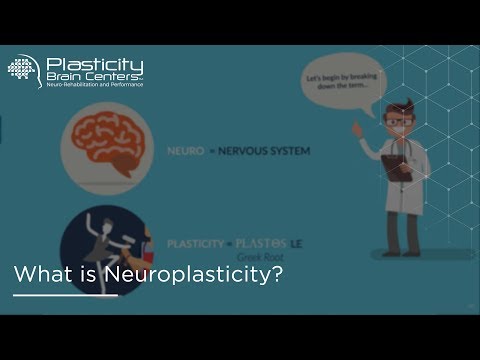
You know, the brain isn’t as set in stone as you might think. Seriously, it’s like a super flexible piece of clay. That’s what they call brain plasticity—it’s all about how our brains can change and adapt over time.
This blog provides content for informational, educational, and reflective purposes only. The information published here does not constitute medical, psychological, or psychiatric advice, and it does not replace the evaluation, diagnosis, treatment, or individualized guidance of a properly licensed professional. If you believe you may be experiencing a psychological or health-related issue, consult a qualified professional as soon as possible before making important decisions about your well-being. Do not self-medicate or start, stop, or change medications, therapies, or treatments on your own. While we aim to provide useful and accurate information, we do not guarantee that it is complete, current, or suitable for every situation. Your use of this content is at your own risk, and reading it does not create a professional, clinical, or therapeutic relationship with the author or this website.
Like, have you ever learned something new and felt your mind buzzing? Or struggled to shake off a bad thought pattern? That’s brain plasticity at work.
It plays a huge role in mental health too. It can help us heal from tough experiences, learn new skills, or even cope with stress better. So, let’s chat about how this amazing ability of our brains can help us grow and thrive. It’s pretty wild!
Exploring Brain Plasticity: Key Insights for Enhancing Mental Health and Personal Growth
Brain plasticity, or neuroplasticity as the pros call it, is pretty fascinating. It’s the brain’s ability to change and adapt as we learn new things or face different experiences. Basically, your brain isn’t a solid rock; it’s more like a sponge that can absorb new stuff and reshape itself. It happens on a cellular level where neurons—those little messengers in your brain—create new connections or strengthen old ones.
You know how sometimes you can learn a skill but forget about it later? That’s because those brain connections can fade if they aren’t used much. The good news is that you can boost these connections through practice and experience, whether it’s picking up a new hobby or tackling therapy exercises. It’s like lifting weights for your brain!
But how does this all tie into mental health? Well, the amazing thing about plasticity is that it’s not just about learning to ride a bike or mastering a musical instrument; it also plays a huge role in recovery from mental health issues. People with anxiety or depression can rewire their brains through various therapies like cognitive-behavioral therapy (CBT). This method helps challenge negative thought patterns and replace them with healthier ones.
Also, have you ever heard of mindfulness practices? These activities, like meditation and yoga, help increase brain plasticity too! When you focus on breathing or being present in the moment, you’re literally reshaping your brain over time. It’s like giving yourself regular tune-ups!
Here are some key points to consider:
- Mindfulness matters: Activities that promote awareness help form new neural pathways.
- Social connections: Engaging with friends and loved ones stimulates growth; social support can make all the difference.
- Diversity in learning: Trying out different skills or hobbies keeps your mind flexible and adaptable, which is super beneficial.
- Physical exercise: Seriously, moving around isn’t just good for your body; it boosts blood flow to the brain and promotes neurogenesis (new neuron growth).
Imagine someone who faced childhood trauma and finds themselves struggling with relationships as an adult. Through therapy focused on understanding their past and practicing new behaviors today—like setting boundaries—they create fresh neural pathways that help them feel more secure in those relationships.
So yeah, tapping into personal growth through understanding brain plasticity isn’t just cool science stuff; it’s something you can really use in everyday life to enhance your mental well-being. Essentially, every effort you make towards learning something new or challenging yourself contributes to making those necessary changes in how you think and feel overall.
Unlocking the Power of Neuroplasticity: Transform Your Mental Health Journey
Neuroplasticity, huh? It’s a game-changer for mental health. Basically, it’s your brain’s ability to reorganize itself by forming new connections throughout life. That means it can adapt and change based on experiences. Isn’t that something?
So, let’s break it down. When you learn something new or face a challenge, your brain is busy rewiring itself. Think about the first time you rode a bike. At first, you probably wobbled a lot and fell more than once. But after practice, bam! You could ride smoothly without even thinking about it. That’s neuroplasticity at work!
Now, when we talk about mental health, this concept gets really interesting. Your brain has the power to heal from trauma or depression through these neural changes. But here’s the catch: you have to actively engage in practices that encourage this rewiring.
Here are some key ways neuroplasticity can support your mental health journey:
- Learning New Skills: Picking up a new hobby—like painting or playing an instrument—can stimulate brain growth.
- Meditation: This practice isn’t just chill vibes; it physically alters areas in the brain related to stress and anxiety.
- Physical Exercise: Exercise boosts blood flow to the brain and helps produce new neurons (hello, happy hormones!).
- Cognitive Behavioral Therapy (CBT): Engaging in CBT helps reframe negative thoughts and creates healthier thought patterns.
You know how sometimes you feel stuck in a rut? Like every day feels the same? That might be when realizing neuroplasticity can really help you out! By challenging yourself with different activities or thoughts, you’re literally changing your brain.
It reminds me of my friend Sarah. She struggled with anxiety for years but decided to join a dance class as a way to cope. At first, it was terrifying—she could barely follow along! But after weeks of practicing moves and getting into rhythm with others, she felt more confident not only on the dance floor but also in her everyday life. Her anxiety lessened because she was creating new pathways in her brain.
It’s wild how our brains can adapt just by switching things up! The important thing is consistency; making small changes over time leads to big transformations down the line.
But here’s another point: while neuroplasticity offers fantastic potential for growth, it doesn’t mean everyone will have an easy time accessing these changes right away. Some folks may need professional guidance or therapy to get started on their journey.
So if you’ve been feeling overwhelmed or stuck lately, remember that you have the power. There are plenty of ways to harness neuroplasticity for better mental health—it just takes some willingness to explore new paths! And isn’t that empowering? Seriously!
Understanding Neural Plasticity: How Negative Thought Patterns Affect Emotional Regulation
Neural plasticity, or brain plasticity, is a fascinating concept. It means your brain can change and adapt throughout your life. This ability helps you learn new things or recover from injuries, but it also plays a big role in how you feel emotionally. You see, the connections in your brain can strengthen or weaken based on your experiences and, importantly, your thoughts.
Negative thought patterns can seriously mess with this plasticity thing. When you habitually think negatively—like always expecting the worst or feeling inadequate—your brain starts to get stuck in those grooves. Imagine a record stuck on a bad song that just keeps repeating. Over time, these patterns can make it harder for you to regulate your emotions effectively.
So what exactly happens? Well, every time you indulge in those negative thoughts, you’re reinforcing the neural pathways associated with them. It’s like watering a weed instead of a flower. Your brain learns to keep going down that path because it’s familiar and easy. Eventually, it becomes second nature to respond negatively rather than see positives or find solutions.
Think about someone who’s always nervous about social interactions. If they keep telling themselves they’re awkward or that nobody wants to talk with them, they’re basically building a wall around their ability to socialize comfortably. They might miss out on some great connections simply because their wiring has adapted to fear and anticipation of rejection.
But here’s where things get interesting! Just because you’ve built those negative pathways doesn’t mean you’re stuck forever. Neural plasticity works both ways—you can change the narrative! When you consciously choose to challenge those negative thoughts and replace them with positive ones, you start creating new pathways.
Consider cognitive-behavioral therapy (CBT) as an example. It helps individuals recognize harmful thought patterns and offers tools to reshape them positively. So if our friend struggles in social settings, CBT could help them reframe their thoughts into something like “I might be nervous today, but I can still enjoy talking with others.” This tiny shift can lead the way for new experiences.
Emotional regulation isn’t just about suppressing feelings; it’s more like learning how to manage them in healthier ways. By developing skills for emotional regulation—like mindfulness practices—you can support that plasticity process even more! Mindfulness helps ground you in the present moment instead of getting caught up in spirals of negativity.
In summary:
The journey towards better emotional health takes time—but realizing that change is possible is half the battle won! Stay curious about how your mind works; it could open doors you never knew were there!
Brain plasticity, man. It’s like this cool superpower we all have without even knowing it. Basically, it refers to how our brains can change and adapt throughout our lives. Kind of like updating your phone or getting a makeover? Yeah, that’s brain plasticity in action.
You know, I was talking to a friend the other day who went through some tough stuff with anxiety. Like a lot of us, she felt stuck in her patterns—thinking the same negative thoughts over and over again. But then she started therapy and learned about how her brain could actually rewire itself. Can you imagine? Just by changing how she thought about things, she was able to create new pathways in her mind! That’s mind-blowing.
What’s really amazing is that this isn’t just for people in therapy or dealing with mental health issues. It applies to all of us. Whether you’re trying to learn a new skill or just cope better with stress, your brain is constantly making adjustments based on your experiences and efforts. So when you hit a rough patch, remember there’s room for change and growth.
And here’s the thing: brain plasticity isn’t always easy-peasy. It can feel frustrating at times—like when you’re learning something new and just can’t seem to get it right. But every time you push through those little challenges, your brain is busy building new connections. It’s like giving your mental health a workout!
So next time you’re feeling overwhelmed or unsure about something in your life, think about that power of change within you. Your brain is ready to step up; it just needs a nudge sometimes! Keep pushing those boundaries, because growth takes practice—and who knows where it might take you?