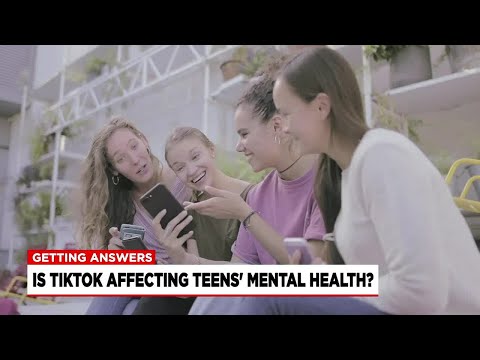
You ever scroll through TikTok? It’s like a vortex, right? One minute you’re laughing at cat videos, and the next, you’re down a rabbit hole of dance challenges or life hacks.
This blog provides content for informational, educational, and reflective purposes only. The information published here does not constitute medical, psychological, or psychiatric advice, and it does not replace the evaluation, diagnosis, treatment, or individualized guidance of a properly licensed professional. If you believe you may be experiencing a psychological or health-related issue, consult a qualified professional as soon as possible before making important decisions about your well-being. Do not self-medicate or start, stop, or change medications, therapies, or treatments on your own. While we aim to provide useful and accurate information, we do not guarantee that it is complete, current, or suitable for every situation. Your use of this content is at your own risk, and reading it does not create a professional, clinical, or therapeutic relationship with the author or this website.
But here’s the thing. While it can be super entertaining, it’s not all fun and games. There’s this sneaky side to it that doesn’t sit well.
People are feeling way more anxious or inadequate after scrolling their feeds. Crazy, huh? Like, we want to connect and be entertained, but instead, we end up feeling worse about ourselves.
Let’s chat about how TikTok might mess with our heads a bit more than we realize. You in?
Exploring the Positive Impact of TikTok on Mental Health: How Creative Content Can Boost Well-Being
TikTok has been a hot topic when it comes to mental health. While some folks focus on the negative aspects, like comparison culture and screen addiction, there’s a whole other side to the story. TikTok can actually have a positive impact on your mental well-being. Let’s break it down!
First off, creativity thrives on TikTok. You’re not just passively watching; you’re engaging with content. You can express yourself through videos and share your thoughts or talents with the world. Think about it: uploading a dance you’ve been practicing or showcasing your drawing skills can be super fulfilling! When you create, you’re boosting your mood and maybe even giving someone else a little joy too.
Then there’s the community aspect. TikTok brings people together who might feel isolated in their day-to-day lives. You might find others sharing experiences similar to yours—like struggles with anxiety or depression. That sense of connection is huge! It’s comforting to know you’re not alone. Like I remember watching this one guy share his journey with mental health issues; it was raw and real, and honestly, it helped me feel seen.
Another cool thing is how TikTok promotes mental health awareness. Many creators post about self-care tips, coping strategies, or even just their daily routines that help them stay grounded. These snippets of information can inspire you to try something new for your own well-being. Even something as simple as taking time for yourself each day can come from scrolling through those videos.
Let’s not forget about humor either! A lot of content on TikTok is funny or absurdly relatable. Laughter is a fantastic stress-reliever! I mean, sometimes all you need is a good laugh to lighten your mood after a tough week.
On top of that, TikTok encourages self-acceptance. With trends like “body positivity” or “mental health awareness,” creators often promote loving yourself just as you are. Watching others celebrate their quirks can help shift how you view yourself too—it’s empowering!
But here’s something important: balance is key here! Engaging with TikTok positively means being mindful about what you watch and how much time you spend on it. If certain content drags you down instead of lifting you up, it’s okay to take breaks and curate what shows up in your feed.
So yeah, while there are definitely downsides to social media use overall, it’s worth considering how platforms like TikTok also play a role in spreading creativity and positivity for many people out there. Embracing that side could be just what your mental health needs!
Exploring the Impact of TikTok on Mental Health: A Review of Scholarly Articles
It’s hard to scroll through TikTok these days without coming across videos about mental health. You know, people sharing their struggles, tips, or just relatable moments. It feels like a mix of community and chaos. But when you look into it, the impact on mental health isn’t all sunshine and rainbows.
Studies show that excessive use of TikTok can lead to negative feelings. One big issue is the comparison trap. You might see someone living a seemingly perfect life and suddenly feel like yours doesn’t measure up. That feeling of inadequacy can spiral quickly, especially for younger users still figuring out their identities.
And let’s talk about body image, shall we? TikTok is flooded with beauty standards that can be unrealistic, to say the least. There are tons of filters and editing tools that make things look a certain way. When you’re bombarded with these images daily, it can seriously mess with your self-esteem. Research indicates a connection between viewing idealized images and increased body dissatisfaction among users.
Another aspect is how TikTok feeds content based on your interests like an algorithmic best friend who only knows one thing: what captures attention. Sometimes this means consuming a lot of negative or triggering content without realizing it. For some folks, that could mean getting trapped in a loop of distressing videos related to anxiety or depression. It’s kind of like watching horror movies—exciting at first but draining after too many.
Then there’s the addiction factor—scrolling endlessly until your brain feels fuzzy. Studies suggest that this binge-watching can lead to decreased attention spans and even symptoms similar to those associated with substance abuse disorders, which is alarming when you think about it! The cycle of scrolling can be hard to break because each video promises just one more laugh or insight, leading you away from real-life interactions.
Of course, it’s not all doom and gloom! Some people find solace in online communities on platforms like TikTok where they share coping strategies or support one another through tough times. But balancing this with awareness of potential downsides is so important.
You might feel overwhelmed by the amount of information available on mental health there too; some clips offer great advice while others spread misinformation or trivialize serious issues.
In sum, while TikTok has potential benefits in fostering connection and awareness around mental health issues, its negative impacts shouldn’t be overlooked—like much else in life, moderation seems key here. Pay attention to how it makes you feel and remember: you control your feed!
Exploring the Positive and Negative Impacts of TikTok on Student Mental Health
There’s no denying that TikTok has exploded in popularity, especially among students. But while it can be a source of entertainment and connection, it also comes with some serious mental health baggage. Let’s break down how TikTok affects the mental well-being of students, touching on both the good and the not-so-good.
Positive Impacts
First up, let’s talk about the good stuff. TikTok can actually foster community and belonging. Students often share their experiences, struggles, and interests through short videos. This can create a sense of connection that may be hard to find elsewhere.
- Creative Expression: Many students find their voice on this platform. They can express themselves creatively through dance, art, or humor. It feels freeing!
- Support Networks: With hashtags like #MentalHealthAwareness, students connect with others who understand their struggles. Seriously, watching someone else share their anxiety or depression can make you feel less alone.
- Education: Some content educates users about mental health issues or coping strategies in a fun way. It turns out that information can be delivered in bite-sized pieces.
Now let’s flip the coin a bit.
Negative Impacts
The thing is, TikTok also has its dark side when it comes to student mental health. It can lead to unrealistic expectations and harmful comparisons.
- Comparison Culture: Scrolling through countless perfect lives can trigger feelings of inadequacy. You might catch yourself thinking, «Why don’t I look like that?» or «Why isn’t my life as exciting?» And trust me; those thoughts no one needs.
- Addiction Risks: The endless scroll is real! Students might find themselves losing track of time and avoiding responsibilities because they’re glued to their screens.
- Misinformation: Not all advice found on TikTok is factual or healthy! Some posts promote unhealthy habits under the guise of wellness trends.
An example—there’s this viral trend promoting extreme diets that could seriously mess with your body image and relationship with food!
In short, while TikTok offers ways for students to connect and express themselves creatively, it also poses risks like comparison traps and misinformation that can be harmful for mental health.
It’s super important for students (and really everyone) to use social media mindfully. Maybe set some boundaries? Like time limits? That way you get the fun without spiraling into negative thought patterns.
So yeah, TikTok isn’t all bad—but it’s not all good either! Just keep your eyes open about how it affects you personally—because at the end of the day, your mental health matters most.
You know, scrolling through TikTok can be pretty addicting, right? One minute you’re watching funny cat videos and the next, you’re down a rabbit hole of dance challenges or life hacks. But, there’s a flip side to all that entertainment. A lot of people are starting to notice how TikTok might not be the best for our mental health.
Take my friend Sarah, for instance. She got really into the app during the pandemic. At first, it was a great way for her to connect with friends and find some laughs. But over time, she found herself comparing her life to those perfectly curated clips of other people’s lives—like influencer trips to exotic places or those picture-perfect morning routines. The pressure was unreal! She started feeling like she wasn’t doing enough, even though she was just living her everyday life.
That constant comparison can mess with your head. You might feel anxious or depressed because you think everyone’s living this awesome life that you’re missing out on—what they call FOMO (fear of missing out). That’s tough when you’re already juggling other stressors in your life.
And let’s not forget about the relentless nature of social media. There’s always something new popping up every few seconds. It can get overwhelming! You might start focusing on likes and views instead of enjoying what you actually love to do. Plus, there are some really intense topics that come up on TikTok—a lot about mental health struggles and societal issues—which can be triggering if you’re already feeling low.
Now, I’m not saying TikTok is all bad; it definitely has its benefits too, like fostering creativity or community support. But balance is key! Sometimes it’s good to put down your phone and have real-life conversations or just take a breather outside. You know?
So yeah, while TikTok can be a fun escape for a bit of laughter or creativity, it’s important to keep an eye on how it affects your mood and self-esteem in the long run. Just remember—you’re more than a trending hashtag or a viral dance move!