You know those times when you see an ad and suddenly you just have to have whatever they’re selling? Yeah, that’s not just coincidence. It’s a whole psychological game behind the scenes.
This blog provides content for informational, educational, and reflective purposes only. The information published here does not constitute medical, psychological, or psychiatric advice, and it does not replace the evaluation, diagnosis, treatment, or individualized guidance of a properly licensed professional. If you believe you may be experiencing a psychological or health-related issue, consult a qualified professional as soon as possible before making important decisions about your well-being. Do not self-medicate or start, stop, or change medications, therapies, or treatments on your own. While we aim to provide useful and accurate information, we do not guarantee that it is complete, current, or suitable for every situation. Your use of this content is at your own risk, and reading it does not create a professional, clinical, or therapeutic relationship with the author or this website.
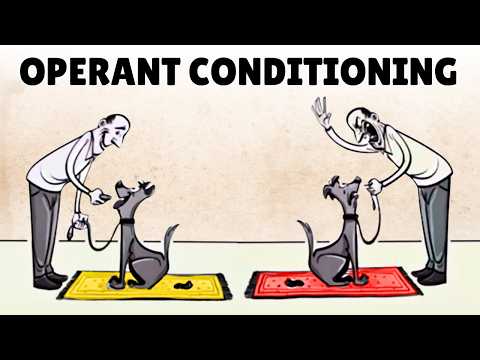
Operant conditioning is like the secret sauce. Basically, it’s this idea that our behaviors can be shaped by rewards and punishments. It sounds a bit textbook, but stick with me.
You’ve probably felt it. Like when you get a discount for signing up for a newsletter or the thrill of saving your favorite items in a cart, just waiting for that right moment to pull the trigger.
So, let’s chat about how this all plays out in advertising. For real—it’s kinda mind-blowing once you start seeing it everywhere!
Unlocking Consumer Behavior: The Role of Operant Conditioning in Advertising Strategies
Understanding consumer behavior in advertising can really be fascinating. One of the big players in this field is **operant conditioning**. This is a psychological concept that suggests our behaviors can be shaped by rewards and punishments. So, let’s break this down and see how it applies in advertising.
Operant conditioning basically means that when you get rewarded for doing something, you’re more likely to do it again. And if you get punished or don’t get a reward, you might stop doing it. This has huge implications for how marketers craft their ads.
Positive Reinforcement is one key idea here. When brands offer discounts, freebies, or loyalty points, they’re using a reward system to keep you coming back for more. For example, think about that coffee shop that gives you a punch card—after every ten drinks, your next one’s free! You’re more likely to go there regularly now, right?
Then there’s the flip side: Negative Reinforcement. This isn’t about punishment per se but about removing something undesirable. Picture this: subscription services that allow you to skip ads if you pay a monthly fee. The idea is that by paying, you’re getting rid of something annoying (those pesky ads), and you’ll be motivated to stay subscribed.
Now let’s not forget Punishment, which can also play a role but isn’t used as often in advertising since it can backfire. If someone feels tricked or misled by an ad, they might avoid the brand altogether. For instance, if a customer buys a product because it was heavily advertised as “on sale,” only to find out later it’s cheaper elsewhere? That could leave a bad taste and discourage future purchases.
In addition to those principles of operant conditioning, advertisers often rely on social proof and scarcity tactics. Social proof works on this idea: if everyone else is buying something or loving a product (you see tons of reviews), you’re more likely to hop on that bandwagon too!
Scarcity taps into our fear of missing out (FOMO). When an ad says only “three items left,” it triggers urgency—you feel like if you don’t buy now, you’ll miss your chance forever! This pressure can make people act quickly.
Consistency is another factor at play here. When brands encourage small commitments first—like signing up for an email list—they can later ask for bigger actions from those same consumers without much pushback.
So when we look at how **operant conditioning** influences advertising strategies, we see various techniques all aimed at modifying consumer behavior through rewards and motivations.
You know when you’re scrolling through social media and see an ad pop up with flashy graphics? That’s not just random; it’s carefully crafted based on these psychological principles! Brands are constantly thinking about how they can encourage you to click “buy” or sign up for an offer using these tried-and-true tactics from psychology.
In summary:
- Positive Reinforcement: Rewards like discounts keep customers returning.
- Negative Reinforcement: Paying to avoid ads encourages subscriptions.
- Punishment: Misleading ads may deter future purchases.
- Social Proof: Seeing others’ positive experiences builds trust.
- Scarcity: Urgency encourages quick purchasing decisions.
- Consistency: Small commitments lead to larger ones over time.
So yeah, understanding these behavioral cues helps both marketers craft better ads and consumers make more informed decisions about what they choose to engage with!
Unveiling Psychological Tactics: How Advertising and Marketing Influence Consumer Behavior
So, let’s talk about how the world of advertising and marketing pulls some pretty sneaky psychological tactics to influence how you think and act. Seriously, it’s like a mental chess game where the advertisers try to get you to take a specific move—buying their stuff. One big part of this is something called operant conditioning, which is basically a fancy term for learning through consequences.
Now, here’s how that works in ads. You might not realize it, but every time you see an ad that makes you feel good—like a heartwarming puppy or an awesome vacation spot—it’s likely using positive reinforcement. Think of it this way: if an ad makes you smile or feel warm inside, your brain registers that positive feeling. Next time you see that brand again, you’re more likely to think favorably of them and maybe even purchase their product.
- Positive Reinforcement: It’s like getting a gold star for good behavior! Brands create ads that reward your emotions. For example, a soda commercial might show friends having the time of their lives at a beach party. Your brain starts linking the drink with fun times!
- Negative Reinforcement: This is about taking away something unpleasant. Imagine an ad for allergy medication—you’ve got itchy eyes just watching it! The message? Use our product and say goodbye to those annoying symptoms! It tricks your mind into associating relief with the brand.
An example? There was this popular fast-food chain that used happy families enjoying meals together in their ads. Those images connect eating their food with happiness and togetherness—which is super powerful when you’re deciding on dinner!
And let’s not forget about social proof. If everyone else seems thrilled about something—like jumping on some trendy new gadget—you’re more likely to want it too because we’re naturally wired to follow the crowd. This tactic plays into our insecurities and desire for acceptance.
- Bands & Influencers: Seeing your favorite celebrity using a product? Boom! Your brain goes: “If they use it, so should I!” This can create instant trust.
- User Testimonials: Ever noticed how many brands feature real customers raving about how amazing their stuff is? These stories trigger emotional connections that make you want to be part of that success!
The thing is, these psychological strategies often work without us even realizing it. You might walk into a store thinking you’ll just browse but end up buying those shoes you saw on Instagram—thanks to all those subtle nudges from advertisers.
This whole dynamic suggests we need to be aware of these tactics in our daily lives. It can help keep us from spinning out of control when marketing messages bombard us day in and day out. You’re not alone if sometimes you feel like you’re being influenced without even noticing; it’s practically built into the system!
Mental awareness can seriously change how we consume products and think about brands. So next time you’re faced with an ad campaign trying to reel you in, just remember: it’s all about conditioning your mind in ways you’d never guess!
Exploring Operant Conditioning in Marketing: Effective Examples and Strategies
Operant conditioning is like a mind trick that marketers use to get us to behave a certain way. It’s all about rewards and punishments, you know? Basically, it means that if you do something and end up with a positive outcome, you’re likely to do it again. On the flip side, if it feels negative, you’ll probably avoid that behavior in the future.
Rewards are huge in this game. Think about those loyalty programs at your favorite coffee shop. Every time you buy coffee, you rack up points. After a while, those points translate into free drinks or discounts. This is a classic example of positive reinforcement—marketers use these rewards to encourage repeat purchases.
Negative reinforcementworks a bit differently but can be just as effective. Let’s say you sign up for an app that has ads. If you pay for the premium version, those annoying ads go away. Boom! The app encourages you to spend money by eliminating something unpleasant.
Another powerful tool is punishment. Ever tried to cancel a subscription? Those companies often make it hard on purpose, right? By making it tough to leave, they’re banking on the idea that you’ll just stick around rather than deal with the hassle—this is called negative punishment.
Some brands even use variable reinforcement, which is super interesting! Think about how slot machines work in casinos. You put money in and sometimes win—but not every time! This uncertainty keeps people coming back because they’re hoping for that next big win! In marketing, this can translate to “mystery boxes” or surprise giveaways where customers never know what they might receive.
Now let’s look at social media ads. Ever noticed how they often show things your friends like or share? This creates social proof and gives people positive feelings about the product. When users see their pals engaging with something, they’re more likely to check it out themselves—a great strategy for reinforcing consumer behavior!
In short, operant conditioning isn’t just some psychological term; it’s working behind the scenes whenever we shop online or scroll through our feeds. Marketers tap into these core principles—rewards and punishments—to guide our choices without us even realizing it!
So next time you’re scrolling through your favorite site or app and end up clicking «buy,» remember: there’s more going on than just shopping; there’s psychology at play pushing those buttons of yours!
So, let’s chat about operant conditioning and how it sneaks into advertising. You know, it’s that whole idea where behavior is shaped by rewards and punishments. It’s like when your dog learns to sit because you give him a treat every time he does it right. Pretty simple, right? Well, advertisers are using this stuff to grab our attention and make us do things, like click on an ad or buy something we didn’t even know we wanted.
Think about those ads you see on your phone or social media. They’re not just there for decoration; they’re strategically placed to make you act. It’s kind of wild how they tap into our brains with rewards. If you see a “limited-time offer” or a discount code as soon as you visit a site, that’s designed to trigger something in you—like a little rush of excitement. You feel that urge to act quickly before it disappears, just like your dog racing for that treat.
I remember last year when I was scrolling through my Instagram feed and saw this cool backpack advertised. It had this whole “buy now and get 20% off” thing going on. I hesitated at first but suddenly felt this nudge—like if I didn’t grab it right then, I might miss out and regret it later! Before I knew it, my credit card was out, and I’d hit ‘purchase.’ Classic operant conditioning at work!
But wait, there’s more! Advertisers also play with the idea of negative reinforcement. This is a fancy way of saying they’ll show you what happens if you don’t act. Like those ads that say things like “Only X items left!” make us feel anxious about missing out. That little pit in your stomach? Yep, that’s part of the strategy.
The thing is, awareness of these tactics can help us be more mindful consumers (if that’s even possible!). Understanding that our reactions are often manipulated can make us hit pause instead of jumping into action without thinking twice.
So next time an ad pops up on your screen promising some sweet deal or hinting at scarcity? Just take a second to breathe and recognize what’s going on under the surface. Who knows? Maybe you’ll save yourself from that impulse buy…or maybe you’ll decide it’s worth it after all! Either way, you’re in charge—at least for today!