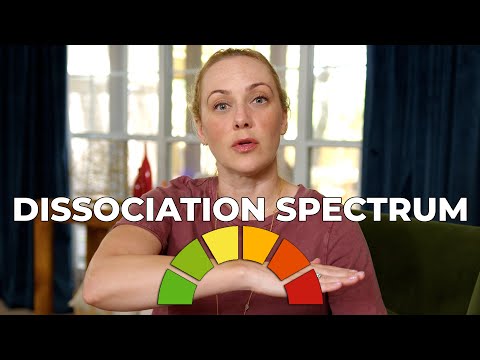
You know those moments where you feel kinda lost, like you’re watching your life unfold from a distance? It’s a weird feeling, right? That’s dissociation for you.
This blog provides content for informational, educational, and reflective purposes only. The information published here does not constitute medical, psychological, or psychiatric advice, and it does not replace the evaluation, diagnosis, treatment, or individualized guidance of a properly licensed professional. If you believe you may be experiencing a psychological or health-related issue, consult a qualified professional as soon as possible before making important decisions about your well-being. Do not self-medicate or start, stop, or change medications, therapies, or treatments on your own. While we aim to provide useful and accurate information, we do not guarantee that it is complete, current, or suitable for every situation. Your use of this content is at your own risk, and reading it does not create a professional, clinical, or therapeutic relationship with the author or this website.
Sometimes, it can feel like you’re floating above yourself or in a completely different world. Out-of-body experiences, they call it. It’s more common than you might think.
But what does it all mean? Is it something to worry about or just part of being human? Let’s chat about this and dig into the whole dissociation thing together. You might find it’s way more relatable than you expected!
Exploring the Connection Between Adderall and Dissociation: What You Need to Know
Dissociation can feel like you’re watching your life from the outside, almost like a movie. Some people describe it as feeling detached from their thoughts, feelings, or even their bodies. It’s like being in a dream where everything feels unreal. Although there’s different types of dissociation, the connection between medications like Adderall and these experiences can be a bit concerning.
Adderall, primarily prescribed for ADHD, works by increasing levels of certain chemicals in the brain that help with focus and attention. And while it can be super helpful for those who genuinely need it, there’s a flip side. You see, when some folks take Adderall, especially if they don’t have ADHD or take too much, it can lead to heightened anxiety or restlessness. This anxiety might trigger dissociative symptoms.
Now let’s break this down a bit more:
- Impact on the Brain: Stimulants affect neurotransmitters like dopamine and norepinephrine. An overload of these chemicals can mess with your perception of reality.
- Anxiety vs. Focus: While you want to feel alert and focused with Adderall, some people end up feeling anxious or overstimulated instead. That heightened anxiety could lead to those “out-of-body” experiences.
- Dosage Matters: Some people may find that taking too much Adderall leads them to feel weirdly disconnected from reality. They might say things like «I felt like I wasn’t really there» which links directly back to dissociation.
A friend of mine once shared that after taking Adderall during finals week in college—when stress was sky-high—she felt completely spaced out one evening while studying. She described glancing at her notes but struggling to grasp what they meant; it was as if she was observing herself trying to study from afar. That feeling of detachment lasted hours and left her confused.
Most importantly, not everyone will have these experiences with Adderall—and honestly, many people use it without any issues at all! It’s all about understanding your own body and mental health needs. If you notice any weird feelings after taking medication or just feeling off during stressful times, it’s totally worth chatting with someone about it—like a doctor or therapist.
In short, recognizing how medications impact you is key in managing your mental health effectively. Be open about what you’re experiencing, whether it’s with friends or professionals because nobody should face this stuff alone!
Exploring the Effects of Zoloft on Dissociation: Can This Antidepressant Help?
Dissociation can be a challenging experience. You might feel disconnected from your thoughts, feelings, or sense of identity. For some people, it’s like watching their lives unfold from a distance, almost like being in a movie. **Zoloft**, known generically as **sertraline**, is an antidepressant that belongs to a class called SSRIs (selective serotonin reuptake inhibitors). But does it actually help with dissociation? Let’s break this down.
When you think about dissociation, you’re often looking at conditions like PTSD and anxiety disorders. Those experiences can trigger dissociative symptoms, leaving folks feeling lost or out of touch with reality. **Zoloft** is mainly used for depression and anxiety, but its effects on these specific dissociative symptoms are still being explored.
Studies show that Zoloft can help reduce symptoms for people dealing with PTSD. This is important because it means that if someone’s experiencing dissociation as part of their larger PTSD picture, Zoloft might help ease those feelings too.
Here are some key points to consider:
- Serotonin levels: Zoloft works by increasing serotonin levels in the brain, which can improve mood and anxiety. A more stable emotional state might reduce the urge to dissociate.
- Research findings: There’s some evidence suggesting SSRIs may help alleviate dissociative symptoms in certain contexts, especially if they’re connected to trauma.
- Individual differences: Everyone responds differently to medications. What can work wonders for one person may not do anything for another.
I remember a friend of mine who struggled with anxiety and felt disconnected during stressful times. She was prescribed Zoloft after trying other options without success. Over time, I noticed her feeling more grounded and engaged with life again — less frequent moments of “zoning out” during conversations or activities.
But here’s the catch: while Zoloft can definitely help stabilize mood and manage anxiety symptoms, it isn’t specifically designed to treat dissociation alone. If someone is primarily battling far-off feelings without the backdrop of depression or anxiety disorders, then talking about other therapies may be more crucial.
Furthermore, medications like Zoloft often come with side effects—so it’s essential to weigh those against potential benefits. It might take time to find the right medication or combination that works best for your individual situation.
In wrapping up this chat about Zoloft and dissociation: it seems that while there could be positive effects for some individuals dealing with related issues like PTSD or severe anxiety, it’s just one tool in a broader toolkit. Working closely with a mental health professional will help figure out the best approach tailored just for you!
Understanding Depressive Dissociation: Symptoms, Causes, and Coping Strategies
Understanding Depressive Dissociation can feel a bit like trying to catch smoke with your bare hands. It’s complex and honestly overwhelming. But breaking it down might help you see it more clearly. Let’s explore what this is, how it feels, and some ways to cope with it.
So, what is it? Basically, dissociation is when a person feels disconnected from themselves or their surroundings. Imagine watching yourself in a movie instead of living your life. It’s like being there but not really being there, you know? Now, when this happens alongside depression, that’s called depressive dissociation. In this case, you might feel numb or as if your emotions are switched off altogether.
Symptoms can vary quite a bit. Some people report things like:
- A sense of detachment from reality.
- Feeling empty or emotionally flat.
- Memory gaps regarding everyday events or personal information.
- A feeling of observing oneself from outside the body.
Let me share a quick story: I once knew someone who described their experience as floating above themselves during tough times. They’d be going through their day-to-day stuff but felt almost like they were watching it all unfold from afar. That disconnection made everything feel less real, which just deepened their sadness.
Now let’s chat about the causes. There isn’t one single reason people experience depressive dissociation; it can stem from various factors:
- Severe trauma: Sometimes past experiences can lead to dissociative episodes as a way for the mind to protect itself.
- Anxiety: High anxiety levels might trigger dissociative feelings as well.
- Chemical imbalances: Those pesky neurotransmitters can play tricks on you.
- Mental health conditions: Conditions like depression or PTSD are often linked with dissociative experiences.
Navigating through depressive dissociation isn’t easy, but there are coping strategies that could help lighten the load:
- Therapy: Talking to someone trained can change everything; it’s like having a guide on your journey back to yourself.
- Meditation and mindfulness: These practices help ground you in the present moment—trust me; they can be super effective.
- : Write down how you’re feeling. It’s an outlet for those emotions lying beneath the surface.
- Connect with others: Sometimes just talking things out with friends or family can remind you that you’re not alone in this.
And remember: recovery is not linear. You might have good days and others that feel heavier than usual. Be gentle with yourself during this ride.
In summary, depressive dissociation is something that many people struggle with silently. It seems confusing and isolating at times but knowing more about it can be the first step toward healing—and hey, reaching out for support just proves how strong you really are!
So, dissociation. It’s one of those terms that might sound super clinical, but it’s something a lot of people experience without even realizing it. Basically, when you dissociate, it’s like your brain kind of hits the pause button on reality. You know how sometimes you might zone out during a boring meeting or while you’re lost in thought? Well, dissociation takes that to another level.
I remember chatting with a friend once, and she shared this story about how during a really stressful time in her life, she’d often feel like she was watching herself from the outside. Like she wasn’t fully in her body or something. It sounds strange, right? But for her, it was a way to cope with all the overwhelming feelings and chaos around her. In those moments, being detached helped her get through just enough to survive the day.
There are different forms of dissociation too. Some folks might experience fleeting moments where they feel disconnected from themselves or their surroundings—like daydreaming but way more intense or unsettling. Others may have out-of-body experiences (OBEs), where they feel like they’re hovering above their bodies and looking down at themselves. It’s kind of wild when you think about how our brains can create such strong perceptions of reality.
But here’s the deal: while some people might have these experiences occasionally and move on with life—like my friend—others may find it’s a bigger issue tied up with trauma or anxiety disorders. For them, these sensations can be pretty distressing and disruptive. And honestly? That can make getting through everyday life feel incredibly challenging.
The thing is—it’s important to talk about this stuff! If you’re feeling disconnected or having experiences that are hard to understand, reaching out can really help. Whether it’s chatting with friends or considering therapy as an option, connecting with others who get it can make a huge difference.
So yeah, dissociation isn’t just some random thing; it’s rooted in how we manage stress and trauma in our lives. It’s a complex part of mental health that deserves attention and understanding—because at the end of the day, we all just want to feel whole and grounded in our own lives again.