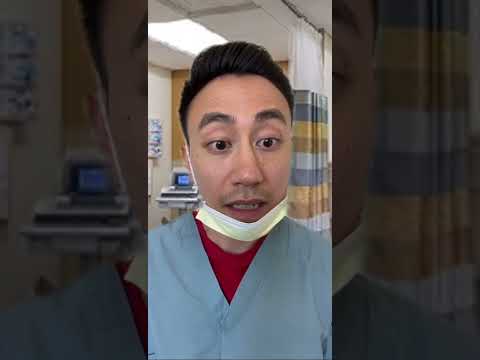
You know, paranoia can feel like a sneaky shadow. It’s that nagging worry that someone’s out to get you or that your thoughts are being read.
This blog provides content for informational, educational, and reflective purposes only. The information published here does not constitute medical, psychological, or psychiatric advice, and it does not replace the evaluation, diagnosis, treatment, or individualized guidance of a properly licensed professional. If you believe you may be experiencing a psychological or health-related issue, consult a qualified professional as soon as possible before making important decisions about your well-being. Do not self-medicate or start, stop, or change medications, therapies, or treatments on your own. While we aim to provide useful and accurate information, we do not guarantee that it is complete, current, or suitable for every situation. Your use of this content is at your own risk, and reading it does not create a professional, clinical, or therapeutic relationship with the author or this website.
But here’s the kicker—it’s not just in your head. Seriously, those feelings can hit you physically too. Your heart races, and your hands might get clammy. It’s like your body’s going into overdrive because your mind’s in a spin.
Ever noticed how those regular moments—like sitting on the subway or waiting in line—can suddenly feel overwhelming? It’s wild how our bodies react when paranoia kicks in.
In this chat, we’re going to break down what’s happening physically when those paranoid thoughts take over. Ready? Let’s sort through the signals together!
Understanding the Mental Illnesses Linked to Paranoia: A Comprehensive Guide
Paranoia can be one of those sneaky feelings that creep up on you, making you second-guess everything. You’re sitting in a café, and suddenly it feels like everyone’s eyes are on you. Or maybe you overheard a conversation, and now you’re convinced it’s about you. It’s unsettling, right? But the thing is, paranoia isn’t just an annoying feeling; it’s often linked to various mental illnesses that can really mess with your day-to-day life.
First off, what are some mental health conditions associated with paranoia?
- Schizophrenia: This is probably the most well-known condition tied to paranoia. People might experience delusions where they falsely believe others are plotting against them.
- Paranoid Personality Disorder: This is a long-term pattern of distrust in others. You may think people have hidden motives or that they’re trying to harm you.
- Delusional Disorder: In this case, the paranoid thoughts could be centered around a specific belief that’s not based in reality, like thinking someone is in love with you when they aren’t.
- Anxiety Disorders: Sometimes, anxiety can trigger paranoid thoughts as your mind tries to cope with excessive worry or fear about potential threats.
- Bipolar Disorder: During manic or depressive episodes, some people might develop paranoia along with other intense feelings.
Each of these conditions has its unique flavor of paranoia. For instance, imagine being at a party and feeling convinced that every laugh or giggle is directed at you—that’s something someone dealing with Paranoid Personality Disorder might experience regularly.
Now let’s talk about physical symptoms.
You might not think about how paranoia manifests physically until it knocks on your door. Common symptoms include:
- Tension headaches: The stress of constantly feeling watched can lead to muscle tension and discomfort.
- When you’re feeling paranoid, your body goes into fight-or-flight mode; your heart may race as if you’re facing danger.
- Sweating: You might notice that you’re suddenly sweating more than usual as anxiety levels spike.
- Trembling hands: Feeling on edge can cause physical reactions like shaky hands—this often makes it even harder to focus on what’s happening around you.
So let’s say you’ve got a friend who always thinks their coworkers are talking behind their back. They feel dizzy at work and can’t stop fidgeting with their pen—their paranoia could be affecting them both mentally and physically!
A key takeaway?
Understanding how paranoia connects to mental illnesses helps break down that wall of confusion around these feelings. If you notice signs of paranoia in yourself or someone else—the racing heart, the sweating—don’t just brush it off as being overly sensitive. It could be worth exploring further because addressing it early can make a world of difference.
Finally, if things start spiraling out of control—or if you’re feeling stuck—consider reaching out for help from a mental health professional. Just remember: feeling paranoid doesn’t mean there’s anything wrong with *you*. Sometimes our minds just need a little extra support to find clarity again!
Exploring the Effectiveness of Zoloft in Reducing Paranoia Symptoms
Zoloft, or sertraline, is a type of medication that falls into the category of selective serotonin reuptake inhibitors (SSRIs). Basically, what that means is it helps boost the levels of serotonin in your brain. Serotonin is this chemical that plays a big role in mood regulation, anxiety, and even paranoia. So when it comes to reducing paranoia symptoms, there’s some interesting stuff to unpack.
Now, let’s talk about paranoia. You know how sometimes you feel like everyone’s watching you or judging you? That kind of intense fear? It’s not just in your head; it can manifest physically too. People might feel restless, have a racing heart, or even get those sweaty palms. It can really mess with your day-to-day life.
Zoloft has been found to help with these kinds of symptoms for many individuals. Studies show that people taking Zoloft often report feeling less anxious and more at ease in social situations. This easing up on anxiety can make those paranoid thoughts less overwhelming.
But here’s the thing: not everyone responds to Zoloft the same way. Some people might notice improvements quickly, while others may take several weeks. It’s all about finding what works best for you individually because every brain’s wired differently.
When using Zoloft for paranoia symptoms, it’s important to keep an eye out for any side effects too. Like with any medication, there can be some unexpected bumps along the road—things like nausea or changes in sleep patterns might pop up.
Another consideration is therapy alongside medication. A lot of folks find that combining Zoloft with cognitive behavioral therapy (CBT) really amps up effectiveness. The talk therapy helps address those negative thought patterns fueling paranoia while the Zoloft can smooth out the emotional edges.
In short:
- Zoloft boosts serotonin: This helps improve mood and reduce anxiety.
- Paranoia manifests physically: Restlessness and heart racing can occur.
- Individual responses vary: Some see quick results; others may take longer.
- Side effects possible: Nausea and sleep changes are common.
- Consider therapy: CBT pairs well with medication for better outcomes.
So if you or someone you know is dealing with paranoia and considering Zoloft, having an open chat with a healthcare provider will help figure things out together! Remembering that finding the right balance takes time is key—and you’re definitely not alone in this journey!
Understanding Paranoia Symptoms: Signs, Causes, and Coping Strategies
Understanding Paranoia Symptoms
Paranoia can feel like an unwanted shadow, following you around and messing with your sense of reality. You might find yourself doubting friends or family, feeling like everyone is out to get you. It’s more than just feeling suspicious; it can be pretty overwhelming.
Signs of Paranoia
So, what does paranoia look like? Here are some common symptoms to keep an eye on:
- Persistent distrust: You might think that people are always judging you or plotting against you, even when there’s no real evidence.
- Feeling threatened: Sometimes, everyday situations start to feel unsafe. Like when someone’s voice is raised—maybe they’re just excited, but it feels like a threat instead.
- Extreme vigilance: You could become hyper-aware of your surroundings, constantly scanning for potential dangers.
Take Sarah’s experience; she’d hear whispers and immediately believe they were about her. This wasn’t because anyone was talking negatively about her. It was her mind playing tricks that made her feel isolated and distressed.
Physical Symptoms
Paranoia isn’t just in your head—it can hit your body too! Some physical signs might include:
- Anxiety: Your heart races, palms sweat—classic anxiety signs. This can make everything worse because your body is reacting to a danger that isn’t really there.
- Tremors: Feeling shaky or jittery? That could be your body responding to stress or fear.
- Sleepless nights may haunt you because racing thoughts don’t let you rest.
Imagine feeling exhausted because every night is spent worrying about who might betray you. That kind of fatigue adds another layer of struggle.
Causes of Paranoia
You might wonder where all this comes from. There are a few common causes:
- Mental health conditions: Disorders like schizophrenia or delusional disorder often have paranoia as a symptom.
- Drugs or alcohol can trigger paranoid thoughts as well—or even withdrawal from them.
- Stressful life events: Sometimes trauma or loss can lead to feelings of fear and distrust in others.
For instance, if someone has been betrayed in the past, it’s not uncommon for them to start viewing new relationships through that lens of suspicion.
Coping Strategies
Now let’s talk about how you can cope with paranoia if it’s affecting you or someone close to you. These aren’t quick fixes but they help over time:
- Therapy: Working with a professional—like a therapist—can help unpack those feelings and provide tools to manage anxiety and paranoia.
- Meditation and mindfulness: Practicing being present helps ground you when those anxious thoughts creep in and spiral out of control.
- Support groups: Connecting with others who understand what you’re going through can lessen feelings of isolation.
Take Jake’s story: He found comfort by sharing his experiences in a support group; it helped him realize he wasn’t alone in his struggles.
Your Journey
Remember, dealing with paranoia is often a challenging journey filled with ups and downs. Recognizing the signs and symptoms is the first step toward finding peace again. If this resonates with you—or if you’re worried about someone else—it might be worth reaching out for help together. Healing takes time but getting there is totally possible!
So, paranoia can feel like this dark cloud hanging over you, right? It’s not just in your head—it has a way of making your body react too. You know that feeling when you’re convinced everyone’s looking at you or judging you? It can lead to sweating or that racing heart, even if there’s really nothing going on. It’s wild how our minds can trigger such strong physical reactions!
I remember talking to a friend who dealt with paranoia. She would be in a crowded room and suddenly feel this tightness in her chest, like she couldn’t breathe. Her thoughts raced, convincing her that someone was about to confront her. But what was really happening was her body reacted like it was gearing up for a fight. It’s kind of shocking how interconnected our minds and bodies are—one little thought can send us spiraling.
When you’re paranoid, your body might also get tense—like you’re bracing for something bad to happen. That tension can cause headaches or even stomach issues. I mean, it makes sense: if your brain feels like it’s under attack, your body is going to respond in kind!
Then there’s the fatigue that follows; it’s exhausting constantly looking over your shoulder, feeling on edge. You might find yourself getting tired after just a few hours of socializing because of all the energy spent worrying about perception.
In recognizing these physical symptoms, it’s crucial to remind ourselves: feeling paranoid doesn’t make us weak; it makes us human. Understanding what happens in our bodies when we’re anxious can lead us toward finding healthier ways to cope. Whether that’s through breathing exercises or seeking support from friends and professionals—it’s all about learning to take care of ourselves better.
So next time you catch yourself feeling those physical signs of paranoia creeping in, remember—you’re not alone in this! The more we talk about it and share experiences, the easier it becomes for everyone involved.