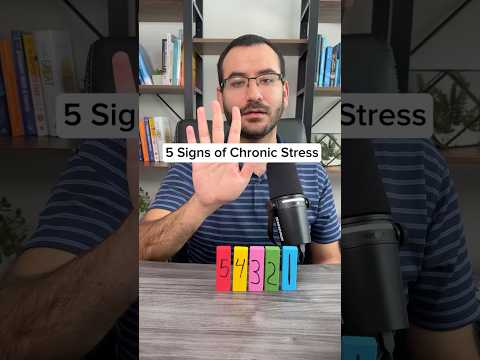
You ever feel like your body’s trying to send you a message? Like, it’s whispering “Hey, something’s off here!” but you’re just too busy to listen?
This blog provides content for informational, educational, and reflective purposes only. The information published here does not constitute medical, psychological, or psychiatric advice, and it does not replace the evaluation, diagnosis, treatment, or individualized guidance of a properly licensed professional. If you believe you may be experiencing a psychological or health-related issue, consult a qualified professional as soon as possible before making important decisions about your well-being. Do not self-medicate or start, stop, or change medications, therapies, or treatments on your own. While we aim to provide useful and accurate information, we do not guarantee that it is complete, current, or suitable for every situation. Your use of this content is at your own risk, and reading it does not create a professional, clinical, or therapeutic relationship with the author or this website.
Yeah, that happens to a lot of us. Life gets hectic. Work piles up. And stress? Well, it kinda creeps in and throws everything out of whack.
But here’s the kicker: chronic stress isn’t just an emotional thing. It can show up physically too! Seriously. It’s wild how our brains and bodies are linked, right?
You might be shrugging off those random aches or fatigue, thinking it’s just life. But what if those little signals are actually telling you something important? Let’s break it down together!
Discover the Key Physical Symptoms Linked to Chronic Stress and Their Impact on Mental Health
Chronic stress is one of those sneaky things that can really mess with both your body and mind. You might think, “I’m just stressed, it’s no big deal.” But trust me, it’s a lot bigger than it seems. Let’s break down the key physical symptoms that often come with chronic stress and how they can impact your mental health.
1. Headaches. You know the feeling? It starts as a little pressure and then bam! You’re dealing with a full-blown migraine. Stress triggers tension headaches by tightening muscles around your head, neck, and shoulders. If you’ve been under stress for a long time, these headaches can become more frequent.
2. Fatigue. When you’re stressed out, it’s like your body’s always on high alert, right? Seriously draining! This constant state of arousal exhausts you mentally and physically. You may find yourself totally wiped out even after a full night’s sleep.
3. Digestive issues. Ever noticed how when you’re anxious or overwhelmed your stomach starts acting up? Stress messes with hormones that regulate digestion, leading to problems like nausea, constipation or diarrhea. It’s not just annoying; it can lead to bigger issues too.
4. Muscle tension. When you’re constantly stressed, your muscles contract and stay tight for long periods—like an elastic band stretched too far! This tightness can cause soreness or pain in various parts of the body like the back or shoulders.
5. Sleep disturbances. And here comes the kicker; stress often robs you of good sleep! Whether it’s insomnia or restless nights filled with tossing and turning, poor sleep affects everything—your mood, energy levels, and overall well-being.
Now let’s talk about how all these physical symptoms affect mental health too.
When you’re battling headaches every week or feeling fatigued all the time, it drains your joy and motivation to do things you usually love. Stress leads to feelings of anxiety or depression as that negative feedback loop kicks in: Pain makes you feel down about life; being down makes handling stress feel impossible!
You might start isolating yourself because social situations feel overwhelming when you’re not at your best—all because of this chronic struggle between body and mind.
Understanding these connections is key! By recognizing those physical symptoms linked to chronic stress in your life, you can take steps towards managing them better—like talking to someone about what you’re going through or even seeing a professional who knows their stuff about mental health.
So remember: If you’re noticing these symptoms popping up regularly? It’s definitely worth paying attention to them because they’re sending important signals about what’s happening inside both physically and mentally!
Identifying Chronic Stress Symptoms: What You Need to Know for Better Mental Health
Chronic stress can be a sneaky beast. You might think you’re handling things just fine, but your body could be sending out some serious SOS signals. It’s like your internal alarm going off, and it’s important to pay attention. Let’s break down some common symptoms of chronic stress that you really need to keep an eye on.
Physical Symptoms can be the first sign something is off. You might notice that you’re feeling more tired than usual, even after a full night’s sleep. This isn’t just because you Netflix-binged too late; it could mean your body is in overdrive.
- Muscle tension
You know those stiff shoulders? That muscle tightness isn’t just from hunching over your computer. It often comes from carrying around mental burdens, leading to headaches or even back pain.
- Digestive issues
And then there’s the gut! Chronic stress can mess with digestion, so if you’re experiencing bloating, stomach cramps, or changes in appetite—listen up! Your gut might be trying to tell you something.
Emotional Signs are another big part of the picture. When you’re under prolonged stress, it’s like being on an emotional rollercoaster.
- Irritability
Have you found yourself snapping at loved ones over small things? That’s often a red flag that your mental health needs some TLC.
- Anxiety or depression
Also, feelings of anxiety or deep sadness can creep in more easily when we’re stressed out all the time. This isn’t just “having a bad day”; it might signal something deeper.
Cognitive Symptoms are often overlooked but are super important too. Stress doesn’t just mess with your feelings; it also affects how clearly you think.
- Distracted thinking
You ever find yourself zoning out during a conversation or forgetting important tasks? That “busy brain” could be chronic stress making it hard for you to focus.
- Poor decision-making
And let’s not forget about decision-making—when overwhelmed by stress, making choices can feel like wading through molasses.
So here’s the deal: if these symptoms start piling up in your life, it’s time to pause and reassess what’s going on with you mentally and physically. Ignoring them won’t make them go away; they’re kind of like weeds in a garden—they’ll keep growing unless you address them head-on.
Remember—it’s completely okay to reach out for help when things get tough. Prioritizing your mental health is not only crucial but also totally strengthens your overall well-being!
Understanding the Symptoms of Stress: How It Affects Your Body and Mind
Stress is one of those things that creeps up on you, right? You may not even realize it’s there until your body starts to send out signals. Both your mind and body react to stress in ways that are pretty fascinating, yet alarming at the same time.
When you’re dealing with stress, you might experience a bunch of physical symptoms. These can be small annoyances or something more serious—it just depends on how long you’ve been under pressure. Here’s the deal: your body thinks it’s in danger. It goes into fight-or-flight mode, which was super useful back in the day when we faced actual predators. But now? Not so much.
Here are some common physical symptoms that signal chronic stress:
- Headaches: Tension headaches are really common with stress. You know the type—it feels like someone’s tightening a vice around your skull.
- Muscle Tension: Ever notice how your shoulders creep up toward your ears when you’re stressed? That’s muscle tension, and it can lead to pain over time.
- Digestive Issues: Stress messes with your gut, causing problems like heartburn, constipation, or even diarrhea. Your stomach just can’t seem to catch a break!
- Fatigue: If you’re constantly tired even after sleeping enough, that’s another sign! Stress can drain your energy levels faster than you’d think.
- Skin Problems: Breakouts or rashes often pop up when you’re stressed out because of increased hormones and inflammation in your body.
You might remember a time when you were juggling way too many things at once—work deadlines, family issues, maybe trying to keep up with friends. I mean, it’s wild how one little thing can tip the scale into full-on chaos.
And let’s not forget about how chronic stress affects our minds! Mental health gets impacted big time; anxiety and depression can rear their ugly heads when life gets overwhelming. A foggy brain is also common—you know that feeling when it just seems hard to concentrate on anything? Yeah, that’s stress messing with your head!
Your emotional responses might also change. Irritability can become part of your daily routine; little things get under your skin more easily than before. And then there’s that feeling of being constantly on edge or overly emotional—like crying during an ad for cat food (Hey, it happens!).
If you’re thinking about what to do about all this stress—first off—acknowledgment is key. Recognizing these symptoms lets you know it’s time for a change or for seeking help if needed.
So remember this: stress isn’t just something that sits inside your head; it manifests physically too! It’s pretty important to check in with yourself regularly and do whatever keeps you balanced—whether that means going for walks, talking to friends over coffee or even reaching out for professional help if things feel too heavy.
Taking care of yourself matters more than anything else—or at least it should! Don’t ignore those signs; they could mean a lot more than just having a bad day.
You know, stress is one of those things that seems to creep up on you when you least expect it. Like, one minute you’re managing life just fine, and the next you’re feeling overwhelmed. Chronic stress can really mess with your body in ways you might not even realize. It’s like your body starts sending you signals, but sometimes we’re too busy to listen.
I remember a time when I was juggling work deadlines, family obligations, and personal issues all at once. Honestly, I thought I was handling it well until I started getting these weird symptoms. My stomach would twist in knots, my head would pound like a drum, and sometimes I felt so fatigued that just getting out of bed felt like climbing a mountain. It wasn’t until a friend pointed out that I seemed really on edge all the time that I realized what was happening.
So here’s the thing: when stress becomes chronic—like when it’s hanging around for weeks or months—it can manifest physically in pretty tricky ways. You might notice headaches becoming more frequent or maybe feel muscle tension in your neck and shoulders that doesn’t seem to go away. Ever had insomnia? Yup, that’s another sneaky little symptom of stress creeping into your life.
And then there’s the whole digestive system situation. Stress can stir up issues like indigestion or even make you feel nauseous—who knew your body could react like that? It’s not just about being mentally drained; your physical health starts raising its hand too! You might find yourself catching colds more often since stress can mess with your immune system.
So basically, if you’re experiencing any of these symptoms often or they’re sticking around for too long, it’s super important to take notice. You deserve to feel good—mentally and physically! When those symptoms hit hard, it’s time to slow down a bit or talk it out with someone who gets it.
Chronic stress isn’t something to shrug off; it’s your body’s way of saying “Hey! Pay attention!” So take care of yourself—you’ve got this!