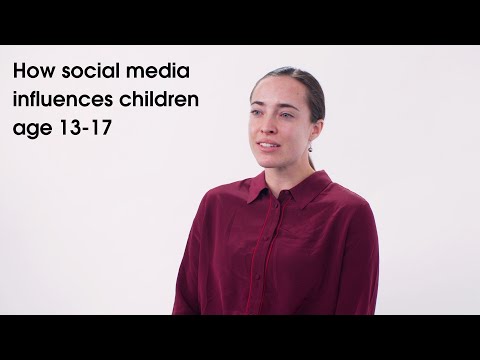
You know that feeling when you scroll through your feed? It’s like a whole world in the palm of your hand. But what are we really taking in?
This blog provides content for informational, educational, and reflective purposes only. The information published here does not constitute medical, psychological, or psychiatric advice, and it does not replace the evaluation, diagnosis, treatment, or individualized guidance of a properly licensed professional. If you believe you may be experiencing a psychological or health-related issue, consult a qualified professional as soon as possible before making important decisions about your well-being. Do not self-medicate or start, stop, or change medications, therapies, or treatments on your own. While we aim to provide useful and accurate information, we do not guarantee that it is complete, current, or suitable for every situation. Your use of this content is at your own risk, and reading it does not create a professional, clinical, or therapeutic relationship with the author or this website.
For a lot of young people, social media is, well, everything. It’s where they connect, share, and express themselves. But it can also be a tricky place.
It’s wild how something so fun can also mess with your head. Seriously, have you ever thought about how those likes and comments affect mood and self-esteem?
Let’s break it down a bit. There’s a lot going on when it comes to social media and mental health—good vibes and bad ones too. So grab a drink and let’s chat about how this all ties into youth wellbeing. Sound good?
The Effects of Social Media on Mental Health: Understanding Its Impact on Well-Being
Social media is like a double-edged sword, you know? On one side, it connects us with friends and family. But on the other side, it can really mess with our mental health. So let’s break down how social media impacts our well-being, especially for young folks.
Comparison Culture is a biggie. When you scroll through Instagram or TikTok, you see people posting their highlight reels. It’s natural to start comparing your life to theirs. You might feel like you’re falling short or not measuring up. This comparison can lead to feelings of inadequacy and low self-esteem.
Then there’s the pressure to be perfect. Social media can create unrealistic standards—like having the perfect body or an exciting life filled with adventures. It’s like everyone is trying to show off their best version, which isn’t always real. This pressure can lead to anxiety and depression in some people.
Another thing? The fear of missing out (FOMO). You know this feeling when your friends are hanging out without you and posting about it online? Yeah, that stings! FOMO can increase feelings of loneliness and sadness because it feels like everyone else is having fun while you’re left out.
But wait, here comes the bright side! Social media also has its perks. It can provide a sense of community. For many people dealing with anxiety or depression, finding online spaces where they feel understood is super important. Support groups on platforms like Reddit or Facebook can offer comfort and connection when it’s hard to find in real life.
Let’s not overlook cyberbullying, though. This one’s tough. The anonymity of the internet makes it easier for people to say hurtful things without facing consequences. Victims often experience increased feelings of worthlessness and may even withdraw from friends and activities they once enjoyed.
And then there’s the impact on sleep. Scrolling late at night? That blue light from your phone messes with your sleep cycle—leading to grogginess during the day and making everything feel tougher than usual.
So what do we do about all this? Well, it’s essential to set some boundaries around social media use. Taking breaks from screens can help clear your mind and give you space needed for better emotional health. Being mindful about what content you’re consuming goes a long way too!
All in all, social media has its ups and downs regarding mental health—especially for youth navigating these complex waters today. Being aware of these effects gives you more power over your relationship with social platforms while protecting your well-being in the process!
Unplug and Rejuvenate: A Step-by-Step Guide to Detox From Scrolling
Unplugging from social media can seem daunting, especially if you’re used to scrolling for what feels like forever. But taking a break from all that digital noise can really do wonders for your mental health. Here’s how you can detox from that endless feed and feel more refreshed.
Recognize the signs. First off, pay attention to how you feel when you’re scrolling. Are you feeling anxious or overwhelmed? Maybe it’s time to take a step back. You know, it hits different when you realize you’re comparing yourself to those perfect lives online or getting sucked into the endless cycle of news and posts.
Set Clear Intentions. Before going on this detox journey, think about why you’re doing it. Is it to reduce anxiety? To spend more time with friends or family? Having a clear reason will help keep you focused. Like, imagine wanting to reconnect with your hobbies or just enjoy some peace and quiet.
Create Boundaries. Start by setting limits on your usage. Try designating specific times of day when you’ll check your social apps—maybe only check them after lunch or an hour before bed. It’s like telling yourself, “Hey, I deserve some chill time!”
Replace Your Habit. Instead of scrolling through your phone during downtime, find something else that feels fulfilling. Read a book, go for a walk, or try out a new recipe! When you fill that time with something enjoyable instead of mindlessly tapping away, you’ll notice the positive shift in your mood.
Engage in Mindfulness. Sometimes we need just a little quiet time to reflect and breathe deeply. Try meditation or simple breathing exercises to help ground yourself. Even just five minutes can do wonders! Focus on being in the moment instead of being consumed by what’s happening online.
Connect Offline. It’s so easy to forget about real life while staring at screens all day. Plan more face-to-face hangouts with friends or family, participate in local activities—and get outside! This helps create genuine connections and gives you something uplifting to look forward to.
Evaluate Your Feeds. If you’re not ready for a total detox yet, consider curating your social media accounts better. Unfollow those accounts that bring negativity into your life and replace them with ones that inspire you or make you laugh! Seriously, there’s nothing wrong with wanting good vibes only.
Track Your Progress. Keep tabs on how you’re feeling throughout this process. Are there days when stepping away is harder than others? That’s completely normal! Just stay aware of those feelings and adjust as needed—you’re doing great!
In short, unplugging from social media isn’t all about deprivation; it’s really about giving yourself some space to breathe and recharge as an individual. Trust me, even small changes can lead to big differences in how you feel day-to-day! And honestly? You deserve it; we all do!
The Dark Side of Social Media: Exploring the Negatives for Mental Health
The Dark Side of Social Media is a real thing, especially when it comes to mental health. So, let’s break it down.
First off, social media can create this wild pressure to look perfect. You scroll through feeds filled with flawless faces, fancy vacations, and seemingly perfect lives. It’s like everyone else has it all together, while you’re just struggling to get out of bed some days. Seriously, have you ever compared yourself to those shiny posts? It can leave you feeling pretty crappy about your own life.
Another big issue is cyberbullying. This isn’t just playground taunting anymore; it’s like a whole new level of being mean. People can hide behind screens and say nasty things without thinking about how it affects someone’s heart and mind. For kids or teens who are still finding themselves, the impact can be devastating—like a public humiliation that never ends.
Then there’s the whole idea of validation. You know how people post things and wait for likes or comments? When those don’t pour in like expected, it can seriously hurt. It feels even more intense when you’re younger, because you’re still figuring out where you fit in the world. That constant need for approval can turn into anxiety or low self-esteem pretty fast.
Now let’s talk about comparison fatigue. You ever notice how after scrolling for a while, you feel drained? That’s because your brain is juggling all these images and stories that make you second-guess yourself. Every time you see someone achieving something amazing or looking fabulous, there’s this inner voice saying: “Why don’t I have that?” It piles up and makes you feel overwhelmed.
Plus, let’s not forget about how much time we spend online. It’s easy to fall into the trap of endless scrolling instead of living in the moment. Those late-night scrolls can mess with sleep patterns too—think about how often you’ve stayed up way too late just to catch up on what everyone else is doing? Less sleep can lead to an even worse mood the next day.
But don’t get me wrong—social media has its perks too! It’s not all doom and gloom; it’s also a place where people connect over shared interests or find support groups for tough times. But recognizing the dark side is so important for mental health.
In short:
- Pressure to look perfect: Social media often shows unrealistic standards.
- Cybebullying: Online mean behavior that affects self-esteem.
- Validation issues: The need for likes can lead to anxiety.
- Comparison fatigue: Constant comparisons drain energy and happiness.
- Time management: Excessive use impacts sleep and daily activities.
It really comes down to balance—knowing when social media helps and when it gets in your head is key!
So, you know, social media is one of those things that can feel like a double-edged sword. On one hand, it connects you with friends and family, and allows you to share your life in ways that weren’t possible before. But on the flip side, it can seriously mess with your head—especially if you’re a teenager.
I’ve seen it up close. A friend of mine’s daughter was glued to her phone all the time, scrolling through Instagram and TikTok. At first, it looked harmless. She’d laugh at memes or share funny videos with her friends. But then I started noticing small changes in her mood. Instead of being bubbly and excited about life, she seemed anxious and withdrawn. It was like the more she compared herself to those glossy social media images, the worse she felt about herself.
There’s a whole lot of pressure out there to look perfect or have the «ideal» life—the kind that social media tends to showcase way too much. If you’re constantly seeing filtered photos of people who seem to have it all together while you’re just trying to figure out what to wear for school tomorrow? That can lead to feelings of inadequacy and self-doubt. Honestly, it’s heartbreaking.
And what’s wild is the amount of time spent online can easily spiral into something unhealthy. You might start off with just a quick scroll during homework breaks but then realize hours have passed! That time spent could’ve been used for hanging out with friends or pursuing hobbies—stuff that really helps your mental health.
On top of all that, there’s cyberbullying lurking around every corner too. It’s brutal when someone decides they want to tear others down from behind a screen. Imagine going to school knowing people are saying nasty things about you online—it’s not cool at all.
But here’s where it gets interesting: there are ways social media can promote good vibes too! Like communities forming around shared interests or support groups where people uplift each other through tough times—those are amazing! You know? It’s all about how we choose to engage with these platforms.
At the end of the day, being mindful about your social media use is key. Balancing screen time with real-life interactions can work wonders for your mental wellbeing. And talking about how you’re feeling? That’s super important too! For anyone struggling between those likes and shares versus reality—you’re definitely not alone in this digital jungle we call social media!