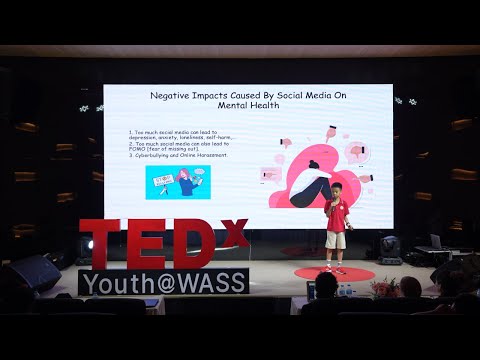
Hey there! Let’s chat about something we all deal with: social media. You know, that endless scroll of posts, memes, and stories?
This blog provides content for informational, educational, and reflective purposes only. The information published here does not constitute medical, psychological, or psychiatric advice, and it does not replace the evaluation, diagnosis, treatment, or individualized guidance of a properly licensed professional. If you believe you may be experiencing a psychological or health-related issue, consult a qualified professional as soon as possible before making important decisions about your well-being. Do not self-medicate or start, stop, or change medications, therapies, or treatments on your own. While we aim to provide useful and accurate information, we do not guarantee that it is complete, current, or suitable for every situation. Your use of this content is at your own risk, and reading it does not create a professional, clinical, or therapeutic relationship with the author or this website.
It can be a blast, right? But there’s this other side to it that we gotta think about. Ever noticed how you feel after a deep dive into your feed?
Sometimes it’s pure joy, but other times? Not so much. Seriously, it can mess with our heads in ways we don’t even realize.
So let’s unpack this whole thing together! How does social media really affect us—our mood, our self-esteem, our overall vibe? It’s a wild ride for sure!
The Effects of Social Media on Mental Health: A 150-Word Insight
Social media can be a double-edged sword when it comes to mental health. On one hand, it helps you connect with friends and communities, providing support and a sense of belonging. But on the other hand, it can lead to feelings of anxiety, depression, and isolation.
Here are some key effects:
- Comparison Trap: Constantly comparing your life to others’ highlight reels can make you feel inadequate.
- Cyberbullying: Negative comments or harassment online can seriously impact self-esteem and mood.
- FOMO: Fear of missing out often spikes when scrolling through social feeds, leaving you feeling left behind.
- Addiction: The urge to check notifications can lead to compulsive behavior that disrupts daily life.
You know how sometimes you just scroll and scroll? It’s easy to lose track of time. Well, that time could be spent on healthier activities. Balancing your online presence is crucial for maintaining your mental well-being!
Exploring the Effects of Social Media on Mental Health: A Comprehensive Research Paper PDF
Well, social media, right? It’s like a double-edged sword when it comes to our mental health. On one hand, you can connect with friends and family instantly; on the other hand, it can sometimes feel like a minefield for our emotions. Let’s break down some of the ways it affects us.
Comparison Culture
One of the biggest issues with social media is what I like to call «comparison culture.» You know how it goes: you scroll through Instagram and see everyone looking fabulous on their vacations or at glamorous parties. It’s hard not to feel like you’re missing out! Studies have shown that this kind of constant comparison can lead to feelings of inadequacy or low self-esteem. For some folks, it’s enough to trigger anxiety or even depression.
Validation and Approval
Then there’s the whole validation thing. You post a cute selfie and, fingers crossed, hope for likes and comments. When those notifications come flooding in, it feels great! But when they don’t? Ouch! That can feel pretty crushing. It’s like we’ve tied our self-worth to these little digital hearts and thumbs up. Research indicates that relying on social media for validation can lead to increased anxiety and insecurity over time.
Cyberbullying
And let’s not forget about cyberbullying—a major downside of online interactions. Some people use the anonymity of the internet as an excuse to be meaner than they would ever be face-to-face. This can create an environment where victims experience heightened stress, anxiety, or even trauma from these negative interactions.
Sleep Disruption
Also important is how social media affects our sleep patterns. Scrolling through your feed late at night might seem harmless, but that blue light from screens messes with your melatonin levels—yeah, that’s the hormone that helps regulate sleep! So if you find yourself tossing and turning after a late-night scroll session, you’re not alone.
Community Building
Now let’s flip the script a bit—social media isn’t all bad! It creates communities for people who might otherwise feel isolated or alone. Think about individuals dealing with chronic illnesses or mental health issues; they often find support groups online where they share experiences and advice. This sense of belonging can really boost one’s mood and provide comfort during tough times.
Binge Consumption
Oh yeah, let’s talk about information overload too! With constant updates from every angle—news stories, personal posts—it can feel overwhelming at times. It’s easy to get sucked into doomscrolling; before you know it, you’ve spent hours reading about everything that’s wrong in the world. This kind of binge consumption can leave you feeling anxious or stressed out.
So yeah, exploring social media’s influence on mental health is super complex. While it offers various perks—like connection and community—it also brings challenges that we can’t ignore from comparison traps to sleep trouble or cyberbullying concerns. Finding balance is key here; maybe limit your screen time or curate your feed so you’re surrounding yourself with positivity instead of negativity.
Ultimately though? Just being mindful about how social media affects your mood could make all the difference!
Exploring the Impact of Social Media on Mental Health: Insights from Our Speech PDF
Social media is a big part of our lives now, right? It’s like our comfort zone, where we connect, share, and just be. But honestly, it can also mess with our heads. Let’s break down how social media impacts mental health.
First off, there’s that endless scrolling. You know what I mean? You start out looking at cute cat videos, and suddenly it’s three hours later. That kind of behavior can lead to feelings of loneliness or anxiety. When you’re constantly online but not interacting face-to-face, it can create a weird disconnect from real-life relationships.
Comparing Yourself to Others is another huge issue. Ever looked at someone else’s perfectly curated feed and thought your life doesn’t measure up? It’s easy to feel inadequate when everyone seems to be showing their highlight reels while you’re over here dealing with regular life stuff. This comparison game can lead to low self-esteem and even depression.
And then there’s the whole cyberbullying thing. Social media can sometimes feel like a battleground. Negative comments or trolling can seriously hurt people’s feelings and make them feel isolated or anxious about being online at all. Remember that time when someone really close to you got tore down on social media? It felt awful for everyone involved.
But let’s not forget about the flip side! Social media also has some positive impacts on mental health. For instance, support communities do wonders for those going through tough times. Finding people who get it—whether you’re dealing with anxiety or an illness—can be so comforting.
Plus, there are resources available right at your fingertips! You know those posts about mental health awareness and hotlines? They can help guide people who might not know where to turn for help.
In terms of self-expression, social media allows people to share their stories in ways they never could before. Think about artists sharing their work or advocates speaking out on issues close to their hearts—it gives voice to many who might otherwise feel unheard.
So basically, social media is a double-edged sword: it connects us but can also isolate us; it inspires but sometimes brings negativity too. Balancing your online presence is key—knowing when to log off is just as important as knowing when to engage.
Next time you find yourself scrolling endlessly or comparing yourself unfavorably to others, maybe take a step back and think about how that makes you feel. Your mental health deserves that check-in!
So, let’s chat about social media, huh? It’s like we can’t escape it. It’s everywhere and has become a huge part of our everyday lives—pretty crazy, right? You probably scroll through your feed multiple times a day. And while it can be super entertaining, there’s another side to it that can really mess with our heads.
I remember this one time when I was mindlessly scrolling late at night. I stumbled upon this influencer showing off their seemingly perfect life—gorgeous vacations, flawless skin, and a sparkling personality. For a second, it felt like my life was so ordinary. I mean, who doesn’t have those moments of comparison? Seeing people living their «best lives» can sometimes leave you feeling kinda inadequate or down on yourself. You follow me?
But then again, there are moments where social media shines bright too! Like, think about all those groups where you can share your experiences and feel less alone. During tough times, connecting with people who get what you’re going through is invaluable. You know that validation you get when someone comments on your post or shares their struggles? It creates a sense of community that really matters.
Yet the thing is—and I’ve noticed this with friends too—when we’re constantly hooked on likes and comments, it can lead to anxiety. That pressure to perform or appear just right online can weigh heavy. It’s like trying to keep up an image 24/7 which is exhausting! Seriously.
And let’s not even get started on scrolling before bed. I mean… how many times have you done that and found yourself awake way past your bedtime? The blue light from the screens messes with our sleep patterns too—good luck feeling rested after a late-night scroll session!
I think balance is key here. Yeah, social media’s got its perks but also its pitfalls. It’s about enjoying the good bits while recognizing when it starts taking a toll on your mental health. Maybe set some boundaries for yourself? Just check in every now and then on how it makes you feel.
In the end, social media might be here to stay—but how we engage with it is totally up to us! So take care of yourself out there; you’re not alone in figuring this whole thing out!