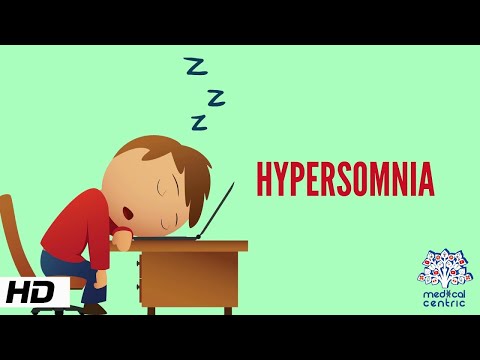
You know those days when getting out of bed feels like climbing a mountain? That’s what it’s like for folks with physiological hypersomnia. Seriously, it’s not just about being sleepy all the time.
This blog provides content for informational, educational, and reflective purposes only. The information published here does not constitute medical, psychological, or psychiatric advice, and it does not replace the evaluation, diagnosis, treatment, or individualized guidance of a properly licensed professional. If you believe you may be experiencing a psychological or health-related issue, consult a qualified professional as soon as possible before making important decisions about your well-being. Do not self-medicate or start, stop, or change medications, therapies, or treatments on your own. While we aim to provide useful and accurate information, we do not guarantee that it is complete, current, or suitable for every situation. Your use of this content is at your own risk, and reading it does not create a professional, clinical, or therapeutic relationship with the author or this website.
Imagine feeling like you’ve just woken up, but your brain is still in a fog. It can be frustrating, right? You might feel isolated or misunderstood because people think you’re just lazy or unmotivated.
But it’s way deeper than that. This condition can really mess with your mind, emotions, and relationships. Let’s talk about the hidden struggles of living with this funky sleep disorder.
Understanding Hypersomnia: Mental Disorders That Contribute to Excessive Sleepiness
Hypersomnia is one of those terms that can sound super clinical, but it really just means excessive sleepiness or prolonged nighttime sleep. You know, it’s not just about feeling tired after a long day; it’s like you’re in a constant state of wanting to nap. Imagine being at work and struggling to keep your eyes open or dozing off during a movie when everyone else is wide awake—that’s hypersomnia for you.
Now, there are different types of hypersomnia. You’ve got primary hypersomnia, which isn’t caused by another condition. It can be pretty mysterious and frustrating because the reasons behind it are often unclear. Then there’s secondary hypersomnia, where the excessive sleepiness is linked to other issues—like mental health disorders or medical conditions.
Some common mental health disorders that can contribute to this sleepy struggle include:
- Depression: When you’re feeling down, sometimes sleep becomes your escape. But too much sleep can also make you feel more sluggish.
- Anxiety: It might seem odd since anxiety keeps many people awake at night, but some folks experience fatigue from all the emotional stress and tension.
- Bipolar disorder: During depressive episodes in bipolar disorder, individuals often feel an overwhelming need for extra sleep.
Think about it: if your brain is constantly racing or you’re feeling low, it’s no wonder your body might just want to shut down and catch some z’s as a way to cope.
Now let’s touch on how this affects daily life. This isn’t just about needing extra pillows on the couch or getting an alarm clock with a louder beep; it impacts everything—your work performance, your social life, and even how you feel about yourself. Like imagine planning a dinner with friends but ending up canceling because you can’t shake off that sleepy fog. That kind of isolation can mess with your head and lead to feelings of inadequacy.
Plus—and this is important—there’s a psychological toll involved when people don’t quite understand what you’re going through. If someone says “Just get more sleep,” they might be missing the point entirely! It’s about more than just hitting the hay earlier; it’s about addressing what’s causing that overwhelming need for additional shut-eye.
So yeah, diagnosing hypersomnia isn’t always straightforward. Many times doctors will look into other conditions first or run tests to rule out things like sleep apnea or thyroid issues before they say anything definitive.
When treating hypersomnia related to mental health issues, integrating therapy can be super helpful. Talking through those feelings might lighten the weight on your psyche—and sometimes lifestyle changes like regular exercise and mindfulness practices give that much-needed boost of energy too.
It’s crucial not to overlook these connections between our mental states and physical needs for rest. After all—being well-rested isn’t just about catching z’s; it’s about finding balance in life itself! Getting help—from friends, family, or professionals—can make all the difference in navigating these challenges with hypersomnia while keeping your mental health in check too!
Exploring the Connection Between Hypersomnia and Bipolar Disorder: What You Need to Know
So, if you’re curious about the link between hypersomnia and bipolar disorder, you’re not alone. There’s a lot to unpack here. Hypersomnia means feeling really sleepy, way more than just a late-night Netflix binge. It can mess with your day-to-day life, and when it’s tied to bipolar disorder, things can get pretty complicated.
First off, let’s break down what bipolar disorder is. It’s a mental health condition that results in extreme mood swings. You might go from feeling super high-energy and euphoric (what they call a manic episode) to crashing down into deep sadness (a depressive episode). And this is where hypersomnia often sneaks in.
- Types of Hypersomnia: There are primary hypersomnias like narcolepsy and other types associated with depression or other disorders.
- Bipolar Disorder’s Role: People with bipolar disorder can experience hypersomnia during depressive episodes. They might sleep excessively and still feel tired.
- Impact on Life: Imagine wanting to be productive but feeling like you could sleep for days instead. It’s exhausting just thinking about it!
And here’s something really interesting: some folks might confuse the excessive sleepiness from hypersomnia with the lethargy that comes during those low periods of bipolar illness. It gets tricky because both can lead to struggles at work or in relationships.
Now, speaking of relationships—think about how being excessively sleepy affects your social life. Picture being at a party but fighting to keep your eyes open instead of chatting up friends. That disconnect can make you feel isolated and misunderstood.
You know what else? The psychological toll of physiological hypersomnia is pretty heavy too. Feeling constantly drained impacts not just your mood but also your ability to cope with stressors around you. You may find it harder to concentrate or even feel motivated to do things you normally enjoy.
It’s also important to note that treatment isn’t one-size-fits-all here. Medication can help manage bipolar symptoms, but dealing with hypersomnia may require separate strategies—like lifestyle changes or therapy tailored specifically for sleep issues.
Sometimes people don’t realize how interconnected these conditions are until they dig deeper into them—which is totally understandable! If you’re experiencing any of this or know someone who is, reaching out for professional help is a solid step.
So yeah, understanding the link between hypersomnia and bipolar disorder can be crucial for recognizing symptoms early and getting effective treatment while navigating these turbulent waters together! Remember: you’re not alone in this battle; many people experience similar struggles every day.
Understanding Hypersomnia: How Many Hours of Sleep Indicate This Condition?
Hypersomnia is one of those sleep disorders that doesn’t get enough attention, but it can really take a toll on your life. So, what’s the deal with it? Basically, if you’re sleeping way more than usual—like, more than 10 hours a day—and still feel tired during the day, that’s a red flag. Hypersomnia isn’t just about snoozing too much; it’s about feeling like you can’t shake off that tiredness no matter how much sleep you get.
You see, we all have different sleep needs. Some people function well on 6 to 7 hours of sleep while others need around 9 to feel like themselves. But when it comes to hypersomnia, you’re dealing with excessive daytime sleepiness despite getting what should be «enough» rest. It’s frustrating because you might think, “I slept all night! Why am I still so exhausted?”
Some common signs of hypersomnia include:
- Excessive daytime sleepiness: You find yourself dozing off during the day, even in situations where you shouldn’t.
- Long sleep episodes: You might be clocking over 10 hours each night and still waking up feeling groggy.
- Difficulties with memory and concentration: It’s tough focusing or remembering things when your brain’s not getting the right rest.
Let me share something personal. A friend of mine once dealt with this really intense fatigue. She was sleeping for almost 12 hours but would still crash in the afternoon. At first, we thought she was just overworked or stressed out from school. But after a while, it became clear that it was more than that; she was genuinely struggling to stay awake even after long nights of rest.
Now look: hypersomnia often has underlying conditions contributing to it—like depression or certain neurological issues—which can make diagnosing tricky. And honestly? That psychological toll is significant too; chronic exhaustion can mess with your mood and social life big time.
When you’re stuck in this cycle of fatigue and lethargy while everyone else seems energized and ready to go, it’s easy to feel isolated or even down on yourself. The thing is, having hypersomnia doesn’t mean you’re lazy or unmotivated; it’s a medical condition needing proper attention.
So if you’re nodding along here like this sounds familiar to you or someone you know—don’t hesitate to reach out for help! Sleep specialists and mental health professionals can guide you through understanding what’s going on with your body and mind.
The bottom line? If you’re getting plenty of shut-eye yet still needing toothpicks for your eyelids during the day, hypersomnia may be part of the picture. Addressing it can lead to better days ahead!
So, let’s talk about hypersomnia. This can be such a heavy topic. I remember a friend of mine who struggled with it for years. He was the type of guy who loved going out and having fun, but then suddenly he just couldn’t keep his eyes open. Like, he’d fall asleep in conversations or on the couch during movie nights, you know? It was rough to see him go from this energetic person to someone who often seemed like a zombie.
Now, with hypersomnia—it’s not just about feeling tired all the time, although that’s definitely part of it. It’s really like this fog that never quite lifts. Imagine waking up after a full night’s sleep and still feeling like you’ve been hit by a truck. For my friend, every day felt like that. When his body needed rest but couldn’t catch up on sleep, it started weighing him down mentally too.
The emotional toll can be intense. Hypersomnia messes with your life routines and even your relationships. When you’re constantly yawning or zoning out, friends might think you’re disinterested or depressed. And that’s tough because it’s not about wanting to check out—it’s about your body just saying “nope” at the worst times! The guilt can pile up too, wondering if you’re letting people down or missing out on experiences.
But it’s not all doom and gloom! Well, there’s always room for managing it better through therapy or finding coping strategies that help lift some of that burden off your shoulders. Sometimes talking to someone who really gets what you’re experiencing can be a game changer. Or maybe learning some techniques for better sleep hygiene could help too.
So yeah, hypersomnia is more than just being sleepy—it’s a whole emotional ride that intertwines physical fatigue with psychological stress. You get caught in this loop where mental health and physical health are so tightly woven together; each affects the other in ways you wouldn’t always expect. It’s serious stuff but remember there are folks ready to support you through it if you reach out!