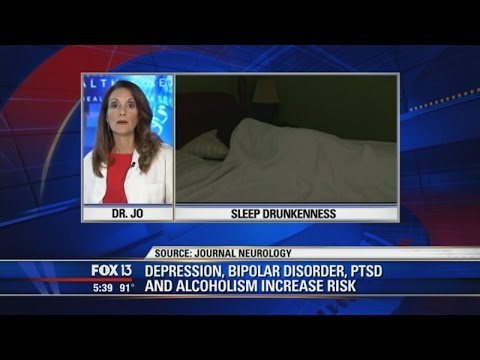
You ever wake up and feel like you’re still dreaming? Like, you’re awake, but your brain’s caught in some weird fog? That’s sleep drunkenness for you. It’s that bizarre feeling when you’re not quite fully alert right after rolling out of bed.
This blog provides content for informational, educational, and reflective purposes only. The information published here does not constitute medical, psychological, or psychiatric advice, and it does not replace the evaluation, diagnosis, treatment, or individualized guidance of a properly licensed professional. If you believe you may be experiencing a psychological or health-related issue, consult a qualified professional as soon as possible before making important decisions about your well-being. Do not self-medicate or start, stop, or change medications, therapies, or treatments on your own. While we aim to provide useful and accurate information, we do not guarantee that it is complete, current, or suitable for every situation. Your use of this content is at your own risk, and reading it does not create a professional, clinical, or therapeutic relationship with the author or this website.
So, what causes this groggy state? You might think it’s just a bad night’s sleep—or just one too many late-night Netflix binges! But the truth is, there’s a bit more going on under the surface.
And here’s the kicker: this foggy feeling can actually mess with your mental health. It might seem harmless at first, but it can really throw off your whole day. So let’s unpack this a bit, shall we?
Understanding Confusional Arousal: Causes, Symptoms, and Solutions
Confusional arousal, often called sleep drunkenness, is one of those weird sleep phenomena that can really throw you for a loop. Picture this: you wake up in the middle of the night, but instead of feeling alert and refreshed, you’re groggy and confused. Seriously, it’s like your brain is still half-asleep, and it can lead to some strange behaviors.
What Causes Confusional Arousal?
There are a few reasons this might happen. First off, your sleep cycles might be disrupted.
can make it more likely to hit that confused state. If you’ve pulled an all-nighter or haven’t been getting enough Z’s lately, your body might be reacting.
Another cause could be
. When your mind is racing during the day, it doesn’t just stop when you hit the pillow. It can bleed into your sleep and mess with how well rested you feel.
And let’s not forget about
. Drinking too much alcohol or using certain drugs can really mess with your sleep patterns. So if you’ve had a couple of drinks before bed, don’t be surprised if you wake up acting like a zombie.
Symptoms to Look Out For
So what does confusional arousal actually look like? Well, first things first—you might find yourself waking up feeling dazed. You could be disoriented for several minutes (or even longer), which isn’t exactly ideal if you need to get up early for work or school.
You might also end up doing some odd things without realizing it—like talking incoherently or wandering around your house aimlessly. It’s almost as if you’re living in a dream but are awake! People experiencing this may not remember their actions later on.
Mental Health Effects
Now here’s where things get tricky: frequent episodes of confusional arousal can take a toll on your mental health. Imagine feeling tired every morning because you’re not sleeping well—it can lead to feelings of irritability and stress.
This lack of quality sleep may also raise anxiety levels over time; worrying about waking up confused could lead to insomnia or an ongoing cycle of poor rest. Seriously—it’s like a domino effect!
Solutions to Consider
If you’re dealing with confusional arousal, there are ways to tackle it head-on. First off, focus on
. Going to bed and waking up at the same time every day helps regulate your body clock.
Next up, create a relaxing bedtime routine—like reading a book or taking a warm bath before hitting the hay—to help signal your brain that it’s time to wind down.
Also consider
. Techniques like meditation, yoga, or even just talking about what’s bothering you with friends can help calm that racing mind before sleep kicks in.
Finally, keep an eye on what you’re consuming—especially alcohol or stimulants like caffeine—as they could disrupt sleep cycles more than you’d think.
In short: Confusional arousal isn’t just annoying; it’s something that deserves attention if it’s happening regularly. Just remember that by taking steps towards better habits and finding ways to chill out before bed, you can hopefully cut down on those groggy wake-up calls!
Exploring Conditions Similar to Narcolepsy: Understanding Sleep Disorders and Their Effects
So, let’s talk about sleep disorders similar to narcolepsy. You might be surprised by how many folks struggle with sleep issues that can really mess with their daily lives. Narcolepsy itself is a pretty tricky condition where people experience excessive daytime sleepiness and sometimes even sudden sleep attacks. It can feel like you’re living in a fog, which can get super frustrating.
But there are other conditions out there that share some symptoms with narcolepsy. Let’s break them down a bit.
Sleep Apnea
This is when your breathing stops and starts while you’re asleep. You might wake up gasping for air or snoring loudly, which disrupts your sleep cycle. When you keep waking up like that, it’s no wonder you feel tired during the day! Imagine trying to concentrate when your brain is practically running on empty.
Restless Legs Syndrome (RLS)
RLS can seriously mess with your ability to fall asleep. You know that annoying feeling when you just can’t seem to sit still? That’s basically what RLS is all about—an irresistible urge to move your legs, often accompanied by uncomfortable sensations. You could be lying in bed, desperate to drift into slumber, but those pesky legs just won’t cooperate!
Idiopathic Hypersomnia
This condition leads to excessive daytime sleepiness as well, but it’s not tied to sudden sleep attacks like narcolepsy. People with idiopathic hypersomnia may feel like they could nap at any moment, even after a long night of slumber. The catch? They don’t always feel refreshed after sleeping—it’s more like dragging around heavy weights all day long.
Behavioral Insomnia
This one covers a range of patterns linked to poor sleep habits or behaviors around bedtime. Maybe you’re binge-watching shows late into the night or scrolling through social media instead of snoozing. Over time, these habits can lead to chronic trouble falling asleep or staying asleep, resulting in daytime fatigue and irritability.
Now, let’s chat about sleep drunkenness. That feeling when you’re waking up but still so groggy and disoriented? It can happen with any of these conditions because when your sleep is disrupted—like during treatments for those disorders—you might find yourself waking up rather confused! It creates this weird gap where your brain isn’t quite ready for the day yet.
The effects on mental health from all this are pretty significant too. Lack of quality sleep can lead to anxiety and depression, turning everything into a rollercoaster of emotions that leaves you feeling drained both physically and mentally.
So yeah, figuring out what’s up with your sleep isn’t just about grabbing more Zzzs—it really matters! If you’re finding yourself nodding off constantly or feeling totally out of it during the day, it might be worth diving deeper into these conditions and reaching out for help if needed.
Just remember: understanding how they work and what they might look like in real life could make all the difference in getting back on track with your health!
Exploring the Link Between Sleep Disorders and Psychiatric Disorders: Understanding the Connection
Sleep disorders and psychiatric disorders are like two sides of the same coin. They often intertwine, impacting each other in ways that can be pretty tough to untangle. You’ve probably heard people say that a good night’s sleep is crucial for mental well-being, and it’s true! But what happens when sleep itself becomes a problem? Let’s explore this connection together.
When you’re dealing with a sleep disorder, you might experience symptoms like insomnia or sleep apnea. These issues can lead to feelings of fatigue, irritability, and even depression. On the flip side, if you have a psychiatric disorder—like anxiety or bipolar disorder—your sleep patterns might go haywire as well. It creates this cycle where poor sleep makes your mental health worse, and worsening mental health impacts your sleep. Sounds exhausting, right?
- Sleep Disorders Are Common Among Those with Psychiatric Conditions: Studies show that folks with conditions like depression often struggle with insomnia. It’s like their minds won’t shut off at night.
- Anxiety and Sleep: Anxiety can lead to racing thoughts and restlessness at bedtime. You ever lay in bed feeling your heart race just thinking about tomorrow? That’s anxiety messing with your shut-eye.
- Bipolar Disorder: For people with bipolar disorder, sleep patterns can swing from one extreme to another. During manic phases, you might hardly sleep at all while depressive phases can bring on those long nights of tossing and turning.
Now picture this: You have a friend named Sarah who battled depression for years. Whenever her mood dipped, she found she couldn’t fall asleep without lying there for hours—totally frustrating! Over time, her lack of rest made her feel even more down. This vicious cycle kept dragging her further into both insomnia and depression.
Another thing to consider is the phenomenon called «sleep drunkenness» or «sleep inertia.» Ever heard of it? It’s that groggy feeling you get when waking up from deep sleep. For those already dealing with mental health challenges, waking up disoriented can add extra stress to an already heavy emotional load.
So what contributes to these issues? Well, it varies from person to person but includes factors like stress levels, lifestyle choices (like caffeine intake), and even underlying medical conditions.
And let’s not forget treatment options! People may need different approaches based on whether they’re tackling the sleep issue first or addressing mental health needs initially. Some find relief through therapy practices such as cognitive behavioral therapy (CBT), which helps change negative thought patterns affecting both their mood and sleeping habits.
Ultimately, recognizing that there’s a connection between your sleep quality and mental health is key for managing both effectively! If you find yourself caught in this web of sleeplessness and emotional struggles, don’t hesitate to chat with someone who gets it—a friend or maybe a professional therapist can really help unravel everything.
Taking care of your mind means also taking care of your body—and healthy sleep is part of that equation!
You know that feeling when you wake up, and you’re just like, “What the heck is going on?” That’s sleep drunkenness for you. It’s that foggy state where your brain feels like it’s still in dreamland even though your body is awake. Seriously, it’s disorienting! But what causes this weird state? Let’s break it down a bit.
So, sleep drunkenness often happens when you wake up during deep sleep. This stage is where your mind and body are doing some serious rest and repair work. Think of it like the deep-cleaning phase of your brain—super important but also pretty intense! If someone wakes you up during this time, it’s kinda like interrupting a movie right at the climax; it leaves you feeling out of sorts and groggy.
But there are other factors too. Sleep disorders like narcolepsy or sleep apnea can mess with your sleep cycles, making it easier to land in that hazy state. Stress and anxiety can play a role as well. If you’re lying in bed with a million thoughts racing through your head about work or relationships, you’re way more likely to have disrupted sleep patterns.
Now, let’s talk about the mental health effects—because they can be pretty significant! Constantly waking up feeling confused or out of it can lead to increased anxiety or even mood swings throughout the day. You might find yourself feeling irritable or lacking focus at work or school. Plus, if you’re not getting enough quality sleep over time, well that’s a recipe for burnout. You might notice changes in how motivated you feel or how well you connect with others.
I remember this one time I had a rough night before an important presentation at work. I barely slept because I was stressing about how I’d perform. When my alarm went off, I felt like I was staring at my own reflection in a funhouse mirror—everything was distorted! I crashed through my morning routine while battling confusion and frustration. My nerves ended up taking center stage during the presentation instead of my actual ideas.
The thing is, we often overlook how much our sleep impacts our mental health. It’s easy to brush off those sleepy moments as just part of life—but if they’re happening consistently? That could be a sign to reevaluate what’s going on with your rest habits and overall stress levels.
So yeah, if you’ve been feeling extra groggy after waking up lately—or find yourself drifting into ‘sleep drunkenness’ more often than not—it’s worth taking a closer look at your sleep quality and mental wellness overall. You deserve good rest so you can face each day without that heavy fog hanging around!