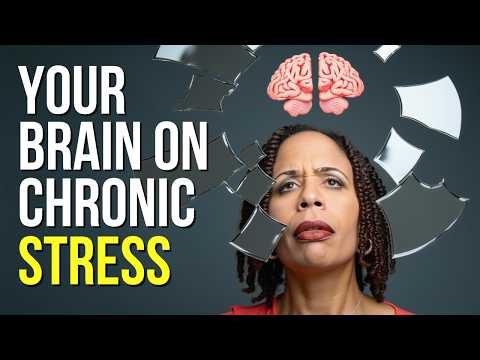
You know that feeling when life just won’t let up? Everything seems to pile on, and you can’t catch a break. Yeah, that’s prolonged stress for you.
This blog provides content for informational, educational, and reflective purposes only. The information published here does not constitute medical, psychological, or psychiatric advice, and it does not replace the evaluation, diagnosis, treatment, or individualized guidance of a properly licensed professional. If you believe you may be experiencing a psychological or health-related issue, consult a qualified professional as soon as possible before making important decisions about your well-being. Do not self-medicate or start, stop, or change medications, therapies, or treatments on your own. While we aim to provide useful and accurate information, we do not guarantee that it is complete, current, or suitable for every situation. Your use of this content is at your own risk, and reading it does not create a professional, clinical, or therapeutic relationship with the author or this website.
It sneaks into your life like an uninvited guest, sticking around way longer than you’d like. And the weird thing is, it doesn’t just mess with your mind; it takes a toll on your entire wellbeing.
Ever notice how some days you feel like you’re running on empty? That’s stress whispering sweet nothings in your ear, telling you everything’s fine when it’s really not.
So let’s chat about what this stress does to us. Spoiler alert: It ain’t pretty!
Understanding the Impact of Prolonged Stress on Mental Health and Wellbeing
Stress is like that annoying background noise that just won’t quit, right? You go about your day, and there it is, nagging at you. But when stress sticks around for a long time—what we call prolonged stress—it can really mess with your mental health and wellbeing.
So what happens when stress lingers? Well, when you’re stressed for a short time, it can be kind of motivating. But if it’s constant, that motivation can flip into overwhelm. You might start to feel anxious or even depressed. It’s like the scales tip from manageable to totally out of control.
Here’s the deal with prolonged stress:
Now here’s an example: Think about someone going through a tough job situation that drags on for months—maybe they’re facing constant deadlines or difficult colleagues. Over time, they may find themselves snapping at friends or losing interest in things they used to love—like their favorite hobby or even hanging out with family.
The good news? There are ways to cope! Finding outlets like therapy, meditation, or exercise can help manage those intense feelings that come from chronic stress. Even just talking about what you’re going through with someone who gets it can lighten the load.
But hey, remember this: healing takes time. If you find yourself feeling stressed for weeks on end and it’s starting to affect how you live your life—you deserve support! It’s always okay to reach out for help when those worries become overwhelming.
Understanding the Psychological Effects of Stress: Impacts on Mental Health and Well-being
Stress is one of those things we all deal with at some point, but when it sticks around for too long, it can really mess with your mind. You know how sometimes just thinking about your to-do list makes your head spin? That’s stress talking. It’s not just a feeling; it’s something that can carve deep grooves into our mental and emotional well-being.
Prolonged stress can affect many areas of our lives, leading to serious psychological effects that are hard to shake off. Think about it: when you’re under constant pressure—like at work or during intense life changes—you might notice changes in your mood or behavior. This isn’t just stress; it’s something that can escalate into bigger issues if left unaddressed.
When you’re stressed, your body goes into fight-or-flight mode. Your heart races, and your palms get sweaty. But after a while, if that stage doesn’t let up, you might find yourself feeling overwhelmed or anxious more often than not. You could be snapping at friends for no reason or feeling like you can’t concentrate on anything. You follow me?
- Anxiety: Constant worry can feel like a weight on your chest.
- Depression: Prolonged stress may leave you feeling hopeless or lost.
- Irritability: Small annoyances can make you jumpy or angry.
- Fatigue: Exhaustion isn’t just physical; it takes a toll on your mental energy too.
- Cognitive decline: It’s hard to think clearly when you’re constantly stressed; focus goes out the window.
Let’s take Jane as an example; she was juggling work deadlines and family responsibilities all at once. At first, she thought she was handling it well, but soon enough, she started forgetting meetings and snapping at her kids over little things—like who left the light on in the kitchen! Over time, Jane found herself feeling more anxious and less interested in things she once loved.
The tricky part is that stress affects everyone differently. Some people might get sick more often because their immune system feels the strain while others could turn to unhealthy coping mechanisms like overeating or staying up late binge-watching shows instead of sleeping.
There’s also this huge link between prolonged stress and conditions like PTSD (post-traumatic stress disorder) and other anxiety-related disorders. When you face ongoing trauma or high levels of stress without relief, it can lead to serious psychological consequences that could require professional help down the road.
So what do you do about this? Well, it starts with recognizing what triggers your stress and finding ways to manage those feelings before they spiral out of control. Whether that’s through mindfulness practices like yoga or meditation—or even just simple deep-breathing exercises—finding tools that work for you is key.
But remember: If you’re drowning in stress and finding it tough to cope alone, reaching out for support from friends or seeking help from a mental health professional could be game-changing! Taking those steps towards understanding what’s happening inside your head is already a move in the right direction.
In short, prolonged stress isn’t something to brush off lightly—it leaves its mark on mental health in significant ways! So pay attention to how you’re feeling because managing those effects now can save you a whole lotta heartache later on!
Understanding Stress and Anxiety: Common Health Issues They Cause
Stress and anxiety are like those unwelcome guests that just won’t leave, you know? They can sneak in during tough times or even show up when life feels pretty normal. But it’s not just an emotional hassle. Prolonged stress and anxiety can seriously mess with your mental and physical health.
So, what do stress and anxiety really do to you? Well, let’s break it down.
1. Physical Health Effects: Stress doesn’t just sit there; it gets busy! You might experience headaches, stomach issues, or even heart problems. Who hasn’t felt that tightening in the chest when stressing out about work or personal stuff?
2. Sleep Problems: If you’re stressed, good luck catching those Z’s! Anxiety often leads to insomnia or restless nights. And without sleep, well, everything feels worse the next day—like walking around in a fog.
3. Emotional Impact: It doesn’t stop at the body; your mood takes a hit too. Ongoing stress can lead to feelings of irritability, sadness, or even anger. I remember a friend who was constantly on edge due to work pressure—every little thing would set them off.
4. Cognitive Functioning: You ever try to focus while there’s a parade of worries in your head? It’s nearly impossible! Stress can cloud your thinking and make decision-making feel like a huge chore.
5. Relationship Strain: When you’re stressed out, it’s easy to take it out on others—or shut people out completely. This can create tension with friends and family, leaving you feeling even lonelier.
Now let’s get into some serious stuff: Mental Health Conditions.
Stress and anxiety are connected to various mental health issues like depression or generalized anxiety disorder (GAD). They feed off each other; for instance, feeling anxious about something can stress you out more—and then the cycle continues.
And here’s a kicker: chronic stress might even increase your risk for developing conditions like heart disease or diabetes over time! Your body is trying its best to handle all that pressure but eventually burns out if nothing changes.
So what do you do about it? Seriously consider talking to someone—a friend or a therapist—about what you’re feeling. Sometimes just expressing those tangled thoughts helps clear them up in your mind.
In short, prolonged stress and anxiety aren’t just temporary state-of-mind nuisances; they can lead to big-time health problems if left unchecked. Keeping an eye on both your emotional well-being and physical health is key for living a happier life.
Listen up: seeking help is not weakness; it’s smart! You deserve peace amidst life’s chaos—you really do!
Stress, let’s face it, can feel like that annoying friend who just won’t leave you alone. You know, the one who’s always around, buzzing in your ear, making everything a bit harder? It just sticks with you when you least want it to. Prolonged stress can really wear you down—like a leaky faucet that keeps dripping and driving you crazy.
I remember a time when I was juggling work deadlines and personal stuff at the same time. Seriously, I felt like I was holding up the entire world on my shoulders. My mind was constantly racing, and I couldn’t seem to find a moment of peace. That’s the thing about stress; it creeps into your life and messes with your thoughts and feelings without even asking for permission.
So it turns out that chronic stress doesn’t just mess with your head; it can take a serious toll on your emotional well-being too. You might start feeling anxious or irritable for no reason at all—you snap at people over small stuff or feel like crying during random moments (yeah, been there). Over time, this constant state of being on edge can lead to bigger mental health issues like depression or anxiety disorders.
But why is that? Well, prolonged stress affects how our brains function. It messes with our sleep, which is so vital for maintaining mood and cognitive skills. We all know how cranky we get when we’re tired! And if you’re not sleeping well because your mind won’t shut off? Yikes. Your body also releases hormones like cortisol during stressful times. Too much of that stuff can throw our systems out of whack.
And then there’s this funny thing: When you’re stressed for too long, things that used to bring you joy suddenly feel pretty meh—like favorite hobbies or hanging out with pals. It’s like going to your favorite restaurant but finding out they’ve changed the menu to only serve plain bread—boredom city!
So what do we do about all this? Finding ways to manage stress is really important—not just for surviving but thriving! Simple things like taking breaks, chatting with someone who gets it (hey friends!), or even going for a walk can help release some of that pent-up tension.
At the end of the day, recognizing how prolonged stress impacts us is crucial—because nobody wants their life turned upside down by an unwelcome guest that’s overstayed its welcome! Taking care of yourself isn’t just about avoiding a meltdown; it’s embracing those moments of calm and making room for happiness amidst life’s chaos. Just remember: You’re not alone in this battle against stress; we’re all in it together!