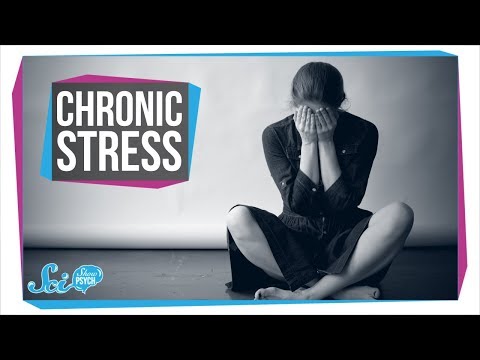
So, let’s talk about stress. You know, that nagging feeling you get when life just feels a bit too much? Yeah, that.
This blog provides content for informational, educational, and reflective purposes only. The information published here does not constitute medical, psychological, or psychiatric advice, and it does not replace the evaluation, diagnosis, treatment, or individualized guidance of a properly licensed professional. If you believe you may be experiencing a psychological or health-related issue, consult a qualified professional as soon as possible before making important decisions about your well-being. Do not self-medicate or start, stop, or change medications, therapies, or treatments on your own. While we aim to provide useful and accurate information, we do not guarantee that it is complete, current, or suitable for every situation. Your use of this content is at your own risk, and reading it does not create a professional, clinical, or therapeutic relationship with the author or this website.
We all experience it, right? But here’s the kicker: long-term stress isn’t just, like, a bad day. It can stick around and really mess with your head.
Imagine carrying a heavy backpack everywhere you go. Over time, it doesn’t just wear you out; it also makes everything else harder—physically and mentally.
So what does that mean for us? Well, let’s dig into how chronic stress can take a toll on our minds and emotions. Spoiler alert: it’s more than just feeling overwhelmed or anxious.
Understanding the Long-Term Effects of Stress on Your Body: A Comprehensive Guide
Stress is one of those things that kind of creeps up on you, right? Like, you might feel fine one minute, and then bam! You’re juggling deadlines, family issues, or just life in general. If it’s short-term stress, your body usually handles it pretty well. But when that stress sticks around for months or even years? That’s when things can get a bit dicey for both your mind and body.
So what actually happens when stress hangs around too long? Well, here’s the deal. Chronic stress can lead to some serious health problems. You might start to notice changes in how your body feels and responds. Here’s a quick rundown:
- Cardiovascular Issues: Your heart starts working overtime. Stress hormones can raise your heart rate and blood pressure.
- Immune System Suppression: The longer stress lasts, the more likely you are to catch colds or infections because your body is too busy handling stress to fight off germs.
- Mental Health Effects: Anxiety and depression aren’t just buzzwords; they can develop from prolonged stress. You might feel overwhelmed or hopeless sometimes.
- Digestive Problems: Ever notice how some people get stomach aches when stressed? Yeah, it happens because of the gut-brain connection. Stress messes with digestion!
- Sleep Disturbances: Stress can turn into insomnia real quick. When your mind won’t shut off at night, good luck getting those Zs!
Imagine this: You’ve got a friend who’s always on edge about work deadlines. They wake up tired every day but push through it all because they think they have to. Over time, they start getting sick more often and feel anxious even about little things like picking lunch. That’s chronic stress in action!
Another thing to consider is that long-term stress affects Cortisol, which is known as the “stress hormone.” When it’s constantly elevated, it can lead to weight gain—especially around the belly—and other metabolic issues.
Stress doesn’t just stay bottled up; it affects relationships too! You know how people might snap at their loved ones after a tough day? In long run, this behavior can cause problems with friends and family since irritability becomes part of the norm.
The silver lining? Taking care of yourself can counteract these effects! Mindfulness practices like meditation or breathing exercises help chill out that overstressed brain of yours. Physical activity also plays a massive role in reducing stress levels.
In short, ignoring chronic stress isn’t an option if you want to live a healthy life. It sneaks into every corner—your body and mind both scream for attention! So if you’re feeling consistently overwhelmed or noticing any physical changes related to long-term stress, maybe chat with someone about it? Your health is worth prioritizing!
Understanding the Symptoms of Stress Leaving the Body: Signs of Healing and Recovery
Stress can really take a toll on your mind and body. It’s like carrying around a heavy backpack filled with rocks—yes, that’s annoying! So, when you finally start to shed some of that weight, you might notice certain **symptoms** that signal healing and recovery. Let’s break this down.
When we talk about **long-term stress**, we’re warning about a cycle that can affect everything from your mood to your physical health. The body kind of goes into this survival mode. You know how it feels to be on edge? That’s stress keeping you alert. But once you start dealing with it, here are some signs you’ll probably see:
You might also experience some odd symptoms during recovery. Those aches or sudden cravings? They’re totally normal! Sometimes your body needs to release pent-up emotions or energy—it’s just processing what has been held inside for too long.
But let me share a little story: One friend of mine was really stressed from work and life stuff for ages. She felt overwhelmed daily; her back hurt constantly, and she was snappy with everyone around her. After taking a break—a vacation retreat focused on mindfulness—she started feeling lighter inside and out. Suddenly those tension headaches went away! She even enjoyed watching movies again without feeling restless.
It’s essential to remember that healing isn’t instant; it takes time. But recognizing these **signs of recovery** can be so encouraging, right? It’s pretty amazing how resilient our bodies are.
So listen to your body as it heals: embrace those signs and celebrate even the tiniest improvements along the way! It’s all part of the process to get back to being you again.
Understanding the Psychological Effects of Stress: Insights for Better Mental Health
Stress is something we all deal with, right? But have you ever thought about what long-term stress actually does to your mind? That’s where things get interesting. Chronic stress isn’t just a temporary feeling of being overwhelmed; it can lead to some serious psychological effects that linger long after the stressor has gone.
First off, let’s break down what chronic stress really means. You know, when you’re dealing with ongoing pressures, like work deadlines or personal relationships that just won’t quit? Over time, that kind of constant anxiety can start messing with your brain in ways you might not even notice at first.
One major effect of long-term stress is anxiety disorders. Picture this: you wake up every day feeling a tight knot in your stomach because you’re constantly worried. It’s not just a phase; it becomes part of who you are. Anxiety can lead to panic attacks, which can be super scary and leave you feeling trapped in your own mind.
Then there’s depression. Long-term stress can sap the joy out of life. Imagine feeling like you’re stuck in a fog where nothing seems fun anymore. It’s hard to connect with others or find pleasure in activities you once loved—like hanging out with friends or binge-watching your favorite show.
Also, don’t forget about how stress impacts memory and focus. When you’re stressed out all the time, it’s like trying to read a book while someone keeps turning the lights on and off! In short bursts, your brain may go into overdrive. But continuously pushing through can lead to difficulties while concentrating or remembering things. You might find yourself forgetting little details or struggling to keep track of tasks.
Your body feels this stuff too! When under pressure for too long, people often start experiencing physical symptoms: headaches, fatigue, and even gastrointestinal issues. It’s as if your body is yelling at you to slow down already!
And let’s talk relationships for a sec. Stress doesn’t just affect you; it ripples outwards affecting how you interact with friends and family. You might find yourself snapping at loved ones for tiny things or withdrawing from social situations altogether because… well, everything feels too overwhelming.
So what can we do about it? Well, recognizing these signs is **super important**! Being aware of how stress is impacting your mental health gives you the power to make changes. Finding coping mechanisms that work for you—whether it’s mindfulness exercises or talking it out with someone—can make a world of difference.
Finding professional help might also be a solid move if things feel beyond control. Therapists can provide strategies tailored specifically for managing stress-related challenges.
In summary, stressing over deadlines today may seem harmless but over time, it plants seeds that could blossom into anxiety disorders or depression—and those are no walk in the park! Recognizing these effects early on helps us reclaim our mental health before it’s too late. Remember: taking care of yourself should be priority number one!
Long-term stress is like that annoying background noise you just can’t shake off. You know, the kind of thing that slowly wears you down? It creeps into your life and starts messing with your head and body in ways you might not even notice at first. I remember this one time when I was juggling school, work, and family issues. Everything felt impossible—like trying to balance a million plates while someone keeps spinning them faster.
At first, I thought stress was just part of life, something you push through. But it turns out, living in that constant state of pressure changes you. It’s not just about feeling overwhelmed or tired all the time; it can lead to anxiety disorders, depression, or even panic attacks. Seriously! When you’re stuck in that cycle of stress for too long, your brain’s chemistry shifts around like a game of Tetris gone wrong.
And there’s this weird thing where your body also gets in on the action. Long-term stress can trigger headaches or make your stomach feel like it’s hosting a tornado. Not to mention the constant fatigue—it’s like there’s a weight on your chest that never lifts.
What strikes me most is how sneaky it is. You might be thinking you’re handling everything fine because you’ve learned to function despite the chaos. But then one little thing—like forgetting your phone—can send you over the edge and leave you wondering why you’re crying over something so small.
It really begs the question: how do we navigate life without letting those mounting pressures crush us? Sometimes it takes stepping back and acknowledging that our feelings are valid and taking breaks when needed—like seriously prioritizing self-care instead of brushing it off as indulgent.
So yeah, long-term stress isn’t just an inconvenience; it’s a real force affecting every part of our lives—emotionally and physically. Recognizing its impact is crucial for figuring out ways to reclaim some peace in our minds and bodies, don’t you think?