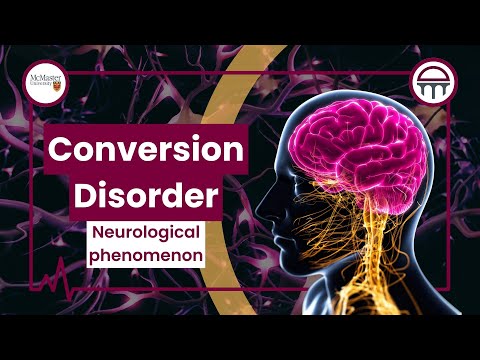
You know, sometimes your mind plays tricks on you. Like, one minute you’re feeling fine, and the next you’re dealing with weird physical symptoms that don’t really have a clear cause. It’s baffling, right?
This blog provides content for informational, educational, and reflective purposes only. The information published here does not constitute medical, psychological, or psychiatric advice, and it does not replace the evaluation, diagnosis, treatment, or individualized guidance of a properly licensed professional. If you believe you may be experiencing a psychological or health-related issue, consult a qualified professional as soon as possible before making important decisions about your well-being. Do not self-medicate or start, stop, or change medications, therapies, or treatments on your own. While we aim to provide useful and accurate information, we do not guarantee that it is complete, current, or suitable for every situation. Your use of this content is at your own risk, and reading it does not create a professional, clinical, or therapeutic relationship with the author or this website.
That’s where things like psychosomatic conversion disorder come into play. Basically, your brain has this way of translating emotional stress into physical problems. Sounds wild, huh?
Imagine feeling dizzy or having pain that just doesn’t seem to add up. It’s frustrating! Plus, it can make you feel totally lost when everyone around you is like, «But you look fine!»
In this chat about managing psychosomatic conversion disorder in mental health, we’re gonna break it down nice and easy. I’ll share some insights on what it is, how it feels, and ways to cope because you’re definitely not alone in this!
Effective Strategies to Overcome Conversion Disorder and Reclaim Your Life
Conversion disorder, or functional neurological symptom disorder, is a tricky beast. It occurs when psychological stressors lead to physical symptoms that seem real but don’t have a medical explanation. Imagine feeling like your leg won’t move just because you’re feeling overwhelmed or anxious. That’s conversion disorder in action, and it can really take a toll on your life.
If you or someone you know is dealing with this condition, there are effective strategies to help reclaim your life. Here’s what you might consider:
- Cognitive Behavioral Therapy (CBT): This approach helps you identify and change negative thought patterns. For instance, if you often think “I can’t do this,” CBT pushes you to challenge those beliefs. A therapist might guide you through exercises that retrain your brain to respond differently.
- Physical Therapy: If you’ve lost movement or function, working with a physical therapist can be beneficial. They can help restore mobility through tailored exercises and support. Getting moving again can sometimes reduce those pesky symptoms.
- Meditation and Mindfulness: These practices teach you to focus on the present moment, reducing anxiety levels overall. Even just five minutes of deep breathing or mindfulness meditation each day can create a significant shift over time. You’ll start noticing how your mind and body feel during those moments.
- Journaling: This isn’t just for teenagers! Writing down your thoughts and feelings helps process emotions that may be causing stress. It provides an outlet and lets you reflect on patterns in your emotions or behaviors.
- Support Groups: Connecting with others who understand what you’re going through can be incredibly validating. Hearing their stories might help lift some weight off your shoulders and remind you that you’re not alone in this journey.
- Psychoeducation: Understanding conversion disorder helps demystify what you’re experiencing. Knowing it’s linked to psychological factors, rather than being purely physical, often alleviates some of the fear around the symptoms.
An example might clarify things! Let’s say Sarah has developed paralysis in her arm after going through a stressful life event—like losing her job unexpectedly. Through CBT, she learns that avoiding certain situations only worsens her feelings of helplessness. After working with her therapist, she gradually begins facing these triggers head-on while incorporating physical therapy exercises for her arm.
You see? It’s about finding the right combination of strategies that work for *you*. Everyone’s path looks different; what works for one person may not resonate with another.
So if you’re feeling stuck in the cycle of conversion disorder, remember: there are ways out! With the right support—from professionals to loved ones—you can work towards breaking free from those limiting symptoms and start embracing life again!
Understanding Effective Therapies for Managing Conversion Disorder
Conversion disorder, also known as functional neurological symptom disorder, can be pretty confusing. You might feel symptoms that seem physical but don’t have a clear medical explanation. This can lead to frustrating experiences in daily life. The good news is that there are effective therapies out there to help manage this condition.
**Understanding Conversion Disorder**
Basically, conversion disorder happens when emotional or psychological stress gets transformed into physical symptoms. These could be things like paralysis, tremors, or even seizures. It’s a real struggle because it often means dealing with not only the symptoms but also the stigma and misunderstanding from others about what you’re going through.
**Effective Therapies**
When it comes to managing conversion disorder, mental health professionals often draw on several therapeutic approaches:
- Cognitive Behavioral Therapy (CBT): This is a common therapy for many mental health issues, including conversion disorder. The idea is to change negative thought patterns that might be contributing to your symptoms. For example, if you’re anxious about an upcoming event and your leg suddenly goes numb as a response, CBT helps you reframe those thoughts and reduce anxiety.
- Physical Therapy: Even if the issue is rooted in emotional distress, physical therapy can help regain movement and function in affected areas. Think of it as helping your body catch up with your mind’s needs.
- Mindfulness and Relaxation Techniques: Practices like meditation or deep breathing help ground you in the present moment instead of spiraling into anxiety or fear about your symptoms. There’s something powerful about just being aware of what you feel without judgment.
- Psychoeducation: Sometimes just learning more about conversion disorder can be liberating! Knowing that you’re not alone in this struggle can ease some of the burdens.
- Family Therapy: Involving loved ones can create a supportive environment where everyone understands what you’re experiencing. They need context too; it helps build empathy and understanding around your situation.
**Real-Life Scenario**
Picture this: You’re at a family gathering when out of nowhere, you feel an intense wave of anxiety hit. Suddenly, your arm feels heavy and immobile—a symptom of conversion disorder kicking in. Here’s where therapy can turn that around. With CBT sessions leading up to events like this one, you’d learn coping strategies—like recognizing the anxious thoughts early on so they don’t control your body’s response.
Having support through family therapy would mean sharing what you’ve learned with your relatives so they aren’t left wondering what’s happening—they’re right there with you.
Overall, managing conversion disorder isn’t just about treating physical symptoms; it’s dealing with emotions too! So yeah, knowing that there are real options for help out there is huge! Each approach can work differently for people depending on their unique situations—but having options means there’s hopefully something that clicks for you!
Understanding Conversion Disorder: Can It Resolve on Its Own?
So, conversion disorder. It’s a bit of a tricky thing to wrap your head around. Basically, it’s when someone has neurological symptoms—like tremors, paralysis, or even seizures—that can’t be explained by any medical condition. Rather than being a physical issue, these symptoms are tied to psychological stress or trauma. It’s like your brain is trying to express something it can’t say out loud.
Now, can it resolve on its own? The answer is yes, sometimes it can! But let’s break this down a bit more.
Spontaneous resolution happens for some people. Imagine you’re in the middle of a stressful situation at work and then suddenly develop a tremor in your hand. If that stress eases off—say you get a promotion or work out the issue—the tremor might just fade away on its own. Crazy how that works!
But the thing is, not everyone experiences this kind of spontaneous healing. For some folks, symptoms may linger for weeks or even months if they don’t get the right support or treatment. It’s like if you keep ignoring that little crack in your windshield; eventually it might spread and become a bigger problem.
Psychological factors play a huge role here too. People who have conversion disorder often have unresolved emotional conflicts or stressors in their lives. Maybe they’ve faced trauma or loss and haven’t fully processed those feelings yet. You know how sometimes we bottle things up until they explode? That can lead to these physical symptoms as an outlet for emotions.
Treatment usually involves therapy. Cognitive behavioral therapy (CBT) can be super helpful in addressing those underlying issues and teaching coping strategies for stress management. For some people, just having someone to talk to makes all the difference.
So now you’re probably wondering about the frequency of success here—like how many actually get better without treatment? Well, studies show that about 25-50% of individuals experience significant improvement within weeks even without intervention! Isn’t that interesting?
But remember: it varies from person to person and there’s no one-size-fits-all answer here because every individual’s experience with conversion disorder is unique.
In summary, while conversion disorder has potential for self-resolution, seeking support can really enhance one’s chance of recovery and improve overall well-being. So if you find yourself—or someone close to you—in this situation, don’t hesitate to reach out for help! Taking that first step towards understanding what’s going on can lead to real change.
You know, psychosomatic conversion disorder can feel like a real rollercoaster for folks dealing with it. It’s one of those conditions where your body kinda turns emotional stress into physical symptoms. Think about it: you could be feeling anxious, and instead of just wrestling with that anxiety in your mind, your body decides to jump in and create some rather uncomfortable sensations—like paralysis or even uncontrollable shaking. It’s wild how our minds and bodies are so intertwined.
I remember this friend of mine, Jamie, who once shared their struggle with this issue. They had a pretty stressful job, and one day they woke up completely unable to move their leg. They freaked out! Doctors ran all these tests thinking something was seriously wrong. But, surprise! Everything came back normal. It wasn’t until Jamie sat down with a therapist that things started to click—this leg thing was really a way for their body to express all that pent-up stress and anxiety from work.
Managing conversion disorder isn’t just about the physical symptoms; it involves digging deep into those emotional roots. Therapy can be super helpful here. Cognitive behavioral therapy often shines bright because it helps you figure out those patterns of thought that might be causing the stress in the first place. Plus, learning relaxation techniques can really help too! You know? Like mindfulness or meditation to calm that storm inside.
It’s also so crucial for people around someone dealing with this to be understanding and patient—like what Jamie experienced when they opened up about their struggles. Folks need support to feel safe enough to talk about what stresses them out without fear.
At the end of the day, dealing with psychosomatic conversion disorder is kind of like peeling an onion: layer by layer until you unveil what’s hidden beneath the surface feelings. It takes patience and understanding—both unique gifts that can help someone find peace between their mind and body again. You get me?