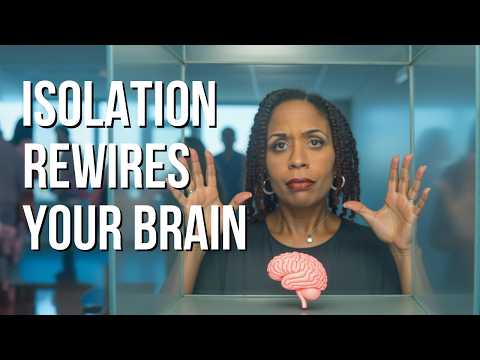
You know that feeling when everything just feels a bit… off? Like you’re stuck in a fog that won’t clear up? A lot of people are feeling that way lately.
This blog provides content for informational, educational, and reflective purposes only. The information published here does not constitute medical, psychological, or psychiatric advice, and it does not replace the evaluation, diagnosis, treatment, or individualized guidance of a properly licensed professional. If you believe you may be experiencing a psychological or health-related issue, consult a qualified professional as soon as possible before making important decisions about your well-being. Do not self-medicate or start, stop, or change medications, therapies, or treatments on your own. While we aim to provide useful and accurate information, we do not guarantee that it is complete, current, or suitable for every situation. Your use of this content is at your own risk, and reading it does not create a professional, clinical, or therapeutic relationship with the author or this website.
Seriously, mental health is taking a hit these days. It’s not just you—it’s everywhere. Social media, constant news cycles, and the pressure to always be “on” can really mess with our heads.
So, what’s going on? Why are more folks struggling with their mental well-being? Let’s take a look at how our fast-paced world is playing a part in this rapid decline. It’s kinda wild when you think about it. Buckle up; we’ve got some ground to cover!
Can a Normal MRI Rule Out Dementia? Understanding Brain Scans and Cognitive Health
So, you’re curious about whether a normal MRI can rule out dementia, huh? First off, that’s a really good question. Let’s break it down.
When we think about dementia, we usually imagine memory loss or confusion. But not all cognitive decline is the same. Dementia itself is like an umbrella term for various conditions that affect your brain’s function over time. This includes Alzheimer’s disease, vascular dementia and more.
A **Magnetic Resonance Imaging (MRI)** scan is a powerful tool to look at the brain’s structure. It gives us detailed images of the brain and helps doctors spot any physical changes or damage, like those caused by strokes or tumors. However, here’s the twist: even if an MRI looks completely normal, it doesn’t automatically mean there aren’t any underlying issues related to cognitive health.
Here are some key points to consider:
To give you a little personal flavor here: think about your friend Alex who you noticed was forgetting names and misplacing things left and right lately. They go in for an MRI, and the results come back clear—totally normal! But does that mean Alex’s memory issues aren’t serious? Not at all!
And there are other tests that can help assess cognitive function better than just relying on an MRI alone—like neuropsychological evaluations—which involve different tasks to measure memory, reasoning skills and other areas of cognition.
So what’s the takeaway? While MRIs can be incredibly useful in assessing brain health and ruling out certain conditions (like serious lesions), they’re not foolproof for diagnosing forms of dementia or other cognitive disorders. If there’s concern about rapid mental decline, it’s best to have more comprehensive evaluations done by professionals who understand these complexities.
In summary:
– A normal MRI doesn’t rule out dementia.
– Brain function can vary even when structure appears fine.
– Early signs might go unnoticed on scans.
– Additional testing may be necessary for accurate diagnosis.
It’s crucial to take all these factors into account when discussing cognitive health with your doctor—just so you really understand what’s going on up there!
Understanding Aging Brain Symptoms: Key Signs and What They Mean for Mental Health
Aging is one of those things we all deal with, but it can be tough when it starts messing with our brains. You know, like finding your keys in the fridge or forgetting simple words mid-sentence. These little moments can actually be signs of how our brain changes over time.
First off, let’s talk about cognitive decline. This is, basically, when your mental abilities—like memory and processing speed—start to slow down. It’s pretty common as people age, and while some forgetfulness is normal, rapid changes might signal something more serious. Think of it this way: If you usually remember a friend’s birthday but suddenly can’t recall it at all, that might be a red flag.
Then there’s mood changes. Aging can bring on feelings of sadness or anxiety that weren’t there before. You might feel more irritable or find yourself worrying about things that didn’t bother you when you were younger. For some folks, this shift is a natural response to losing loved ones or dealing with health issues. But if those feelings hang around too long? It might mean you need to seek support.
Another biggie is difficulty concentrating. Ever notice how tasks that used to take no time now feel like climbing a mountain? That’s not just you getting older; it’s your brain struggling to keep up with new information due to age-related changes in areas responsible for attention and focus. If planning a simple grocery trip feels overwhelming, maybe give yourself a break and lean on reminders or notes for help.
And let’s not forget about social withdrawal. As we age, some people pull back from friends and activities they used to love. This isn’t always because they want to—sometimes it’s because they’re feeling insecure about their memory or ability to keep up in conversations. It’s okay! Reaching out gently or finding supportive communities can really help combat loneliness.
Lastly, there are serious conditions like dementia and Alzheimer’s disease, which aren’t just buzzwords; they represent real challenges many face as they get older. Symptoms can include extreme memory loss and confusion about everyday tasks. If you notice these signs escalating in yourself or someone close, it’s time for an evaluation by a professional.
So yeah, aging comes with its fair share of twists and turns mentally. But being aware of these symptoms means you—or someone you care about—can take steps towards prioritizing mental health sooner rather than later. Just remember that experiencing these changes doesn’t define who you are; they’re part of navigating life’s journey as we age!
Understanding Cognitive Changes in the Elderly: Key Insights and Lists for Better Mental Health
Understanding cognitive changes in the elderly is super important, especially in a world where we’re seeing mental decline more often. It’s a tough topic, but let’s break it down.
As we age, our brains go through some natural changes. Think of it like wear and tear on a car; some parts might need more attention. Cognitive decline can be a part of getting older, which includes issues with memory, reasoning, and overall thinking abilities. But don’t panic! Not every older person will experience severe decline.
When we talk about cognitive changes, you might notice two big categories: normal aging and pathological changes. Normal aging might include slower processing speeds or occasional forgetfulness—like misplacing your keys. Pathological changes are more serious and could indicate conditions like dementia or Alzheimer’s disease.
Now, here are some key points to consider about cognitive health in the elderly:
- Memory Issues: Forgetting names or appointments can happen as we get older. But if someone starts forgetting important life events or how to do everyday tasks? That’s concerning.
- Attention Span: It may take longer for seniors to focus on tasks or switch between activities. So if you’re explaining something and they seem lost after a while, it’s not always about being uninterested.
- Language Difficulties: Finding the right words can become harder. If they’re struggling to express themselves clearly or following conversations easily, that’s a flag.
- Problem-Solving Skills: Seniors might find it tougher to make decisions quickly—especially under stress. If they seem overwhelmed by choices they once managed fine, keep an eye out.
- Mood Changes: Mental health plays a huge role too! Depression and anxiety can affect cognitive function significantly. It’s not just about sadness; it’s about how their mind processes everything around them.
What’s wild is that social engagement can actually help slow down cognitive decline! Regular social interactions keep the brain active and stimulated. Maybe encourage visits with family or friends, or even joining clubs—whatever gets them chatting!
There’s also something called Cognitive Reserve. This means that the more mentally active someone has been throughout their life (like education and stimulating activities), the better they’ll cope with aging-related brain changes. So lifelong learning really pays off!
And lastly—don’t dismiss physical health! Diet, exercise, sleep…they all connect back to brain health too. Keeping active isn’t just for staying fit; it’s like fueling your brain for better performance.
So yeah, while cognitive decline is something many face in later years, knowing these insights can help you support loved ones better—or yourself down the line! Just remember: pay attention to those signs and get help when needed because early intervention really makes a difference.
Life can throw a lot at us, right? With the constant buzz of social media, work pressures, and just, like, the daily grind, it feels like everyone’s been moving at lightning speed. Sometimes, it’s exhausting. I remember chatting with a friend recently who seemed totally overwhelmed. She was always on her phone, scrolling through news and updates. I could see the stress written all over her face. She said she felt more anxious than ever, like she was losing touch with herself.
You know, it’s no secret that mental health issues are on the rise in our society. People are talking about anxiety and depression more openly now, but that doesn’t exactly solve the problem. Seriously, there’s so much information out there that it can feel overwhelming. It’s almost like we’re living in a world where rapid mental decline isn’t just a possibility; it’s becoming a reality for many.
So what’s really behind this? Well, part of it is that we’re constantly plugged in. There’s this pressure to be “on” all the time—responding to texts, checking emails at odd hours… you get it. This hustle culture keeps us wired but also leaves us drained by the end of the day. It kinda feels like we’ve traded deep conversations for quick messages and memes.
And then there are those moments when you’re alone with your thoughts—ever had one of those days where you just… spiral? Like everything that was fine suddenly feels heavy? Yeah, I’ve been there too. Our brains can get stuck in overdrive easily; we start to fixate on problems rather than seeking solutions.
But hold up! Addressing this decline doesn’t have to be all doom and gloom. Awareness is key! Just recognizing what you’re feeling is half the battle won. Maybe take breaks from screens or find ways to connect face-to-face (remember coffee dates?). Practicing mindfulness—just being present for even five minutes—can make a difference too.
It seems simple but hear me out: small changes can lead to better mental health in the long run! You deserve to feel good amidst this chaos; seriously! So while modern society has its challenges—and sometimes feels like it’s got us spinning—we still have tools at our disposal to tackle those feelings head-on.
Navigating these rough waters requires some effort but trust me—it’s so worth it when you start feeling more grounded again!