Alright, so let’s chat about something kinda heavy—Borderline Personality Disorder. You know, it can be a wild ride, right? Especially when it comes to finding the right medication.
This blog provides content for informational, educational, and reflective purposes only. The information published here does not constitute medical, psychological, or psychiatric advice, and it does not replace the evaluation, diagnosis, treatment, or individualized guidance of a properly licensed professional. If you believe you may be experiencing a psychological or health-related issue, consult a qualified professional as soon as possible before making important decisions about your well-being. Do not self-medicate or start, stop, or change medications, therapies, or treatments on your own. While we aim to provide useful and accurate information, we do not guarantee that it is complete, current, or suitable for every situation. Your use of this content is at your own risk, and reading it does not create a professional, clinical, or therapeutic relationship with the author or this website.
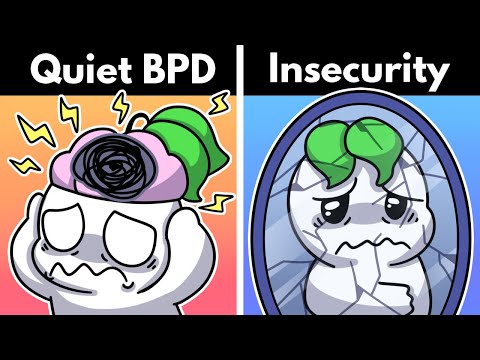
Some folks have this quiet version of BPD. You might feel intense emotions but keep them tucked away. And seriously, that can be exhausting.
You’re not alone in this. Lots of people wrestle with figuring out what helps them feel better. It’s like a trial-and-error game that nobody wants to play.
But don’t worry! We’re gonna break it down together. Let’s take a closer look at how to find what fits you just right when it comes to meds for those quiet symptoms. Sound good?
Understanding Medication Options for Managing Quiet Borderline Personality Disorder (BPD)
When it comes to quiet borderline personality disorder (BPD), the symptoms can be pretty different from the more well-known, outwardly expressive version. Instead of explosive emotions and dramatic outbursts, people with quiet BPD often deal with intense internal struggles. This can lead to feelings of emptiness, severe self-criticism, and social withdrawal. But what’s interesting is that medication can sometimes play a role in managing these symptoms.
So, like, what do we know about medication options here? Well, there’s no one-size-fits-all approach. It’s super personal! Depending on the symptoms you’re experiencing, doctors might recommend different kinds of meds.
- Antidepressants: These are often prescribed to help with mood swings or feelings of depression. Selective serotonin reuptake inhibitors (SSRIs) like fluoxetine or sertraline are common options. They can take a little while to kick in but can help improve overall emotional regulation over time.
- Mood Stabilizers: Sometimes people with quiet BPD experience intense mood shifts. Medications like lamotrigine, which is also used for bipolar disorder, might be helpful in smoothing out those peaks and valleys.
- Atypical Antipsychotics: These could come into play if someone is dealing with severe anxiety or paranoia-related symptoms. Medications like aripiprazole or quetiapine, for instance, are sometimes used off-label for issues related to borderline traits.
You know how some folks just respond better to certain medications? That’s because our brains are so unique! It might take some trial and error before finding what works best for you. And let’s be real; it can feel frustrating when the first few meds don’t do much or have weird side effects.
A friend of mine struggled with quiet BPD but found that after trying a couple of antidepressants, she finally hit on one that helped lift her overall mood without feeling too jittery or numb. It was a game changer for her everyday life—she started socializing again and felt more like herself.
The thing is, while medication can help manage symptoms, it usually works best alongside therapy—like dialectical behavior therapy (DBT). You know? Medication might ease the struggle enough so that you’re more open and able to benefit from therapeutic techniques.
Your doctor will likely keep an eye on your response to any medication closely. Regular follow-ups are key because they help tweak doses or switch meds if needed. And don’t forget about talking openly about how you’re feeling; it makes a world of difference!
If you’re thinking about starting medication for quiet BPD or making changes to what you’re taking now, chat with your healthcare provider about all your options. The goal is finding something that helps you feel balanced without losing touch with who you are!
Exploring Effective Medications: What Are the ‘Happy Pills’ for Borderline Personality Disorder (BPD)?
When it comes to **Borderline Personality Disorder (BPD)**, finding the right medication can feel like searching for a needle in a haystack. This is especially true if you’re dealing with what some folks call “quiet BPD.” You know, the version that might not blow up in your face but still packs a punch inside?
So, let’s break down some options. It’s important to remember that there’s no “one-size-fits-all” medication. That’s why it’s essential to work with a healthcare professional when determining what might help you.
- Antidepressants: These can help manage mood swings and feelings of sadness or emptiness. SSRIs (Selective Serotonin Reuptake Inhibitors), like fluoxetine, are often prescribed. They can boost serotonin levels—a neurotransmitter that helps regulate mood.
- Mood Stabilizers: Medications like lamotrigine or valproate may be effective if you’re struggling with intense emotions and irritability. They help even out those emotional roller coasters.
- Atypical Antipsychotics: Sometimes, doctors might recommend these for symptoms like anxiety or impulsiveness. Drugs such as quetiapine may help ease emotional distress and contribute to more stable moods.
- Benzodiazepines: While these can provide quick relief for anxiety, they come with risks of dependence, so use them cautiously under supervision.
Finding the right medication often feels like you’re on a blind date—you have to try different ones until the right match clicks, know what I mean? And sometimes you hit bumps in the road; maybe side effects aren’t what you expected or the effects just fizzle out.
I remember talking to someone dealing with quiet BPD and they were really frustrated because no one seemed to understand their experience. They felt like they were constantly battling their emotions inside while everyone else saw them as “just fine.” When they finally found a combination of an SSRI and mood stabilizer that worked for them, it was like a light bulb went off—they could finally breathe without fear of being overwhelmed.
It’s also worth mentioning that medication alone isn’t usually enough; therapy complements it beautifully. Therapies like Dialectical Behavior Therapy (DBT) focus on skills that can help manage emotions effectively and improve relationships.
Remember though: adjusting meds can take time—patience is key here! Be open about how you feel with your doctor. If something doesn’t sit right or isn’t working, let them know! Ultimately, finding those “happy pills” is about understanding yourself and what works best for your unique situation—there’s no shame in seeking happiness in whatever form it takes for you!
Effective Strategies for Treating Quiet Borderline Personality Disorder (BPD)
When you hear «Borderline Personality Disorder,» it might conjure images of intense emotions and visible outbursts, but there’s another side: **Quiet BPD**. It’s where the struggles happen more internally. People with this version might seem calm on the outside but feel a storm of emotions inside. This can make finding effective treatment a bit tricky.
The challenges are real. You might struggle with feelings of emptiness, fear of abandonment, and intense mood swings but show fewer outward signs. This can lead to misunderstandings from those around you. Sometimes, even professionals might not recognize what you’re dealing with right away.
Now, when it comes to managing symptoms, here’s where things get interesting. There’s no one-size-fits-all approach, but a mix of strategies often helps. Let’s break that down:
- Therapy: Dialectical Behavior Therapy (DBT) is often seen as gold standard for BPD. It teaches skills in mindfulness and emotional regulation. Imagine learning to ride a bike—at first, it’s wobbly and scary, just like facing your emotions without fear.
- Cognitive Behavioral Therapy (CBT): This focuses on changing unhelpful thought patterns. You know those nagging “I’ll never be good enough” thoughts? CBT helps challenge and reshape them into something more useful.
- Medication: So here’s the thing: while no specific medication treats Quiet BPD directly, they can help manage symptoms like anxiety or depression that often tag along for the ride. Some people find relief with antidepressants or mood stabilizers—these aren’t magic pills but can provide additional support.
- Mindfulness practices: These include techniques like meditation or breathing exercises that help ground you in the present moment. It’s kinda like hitting pause on your racing thoughts.
- Support groups: Connecting with others who get what you’re experiencing is invaluable. Hearing someone say “me too” can be incredibly comforting—you realize you’re not alone in this battle.
Finding the right mix takes time and patience; think of it like experimenting until something clicks for you. You may need to try different therapists or medications before hitting the sweet spot.
And here’s a personal thought: imagine feeling stuck in your head, where every emotion feels huge yet invisible to those around you—it can be exhausting! The journey through Quiet BPD might feel isolating at times; still, reaching out for help is one of the most courageous steps you can take.
At the end of the day, remember that healing is not linear—it’ll have its ups and downs. But with effective strategies tailored to your needs, progress is definitely possible!
So, let’s chat about something that can be pretty tough to navigate—finding the right medication for those sneaky quiet symptoms of Borderline Personality Disorder (BPD). You see, BPD is often thought of as this big, loud thing filled with emotional ups and downs. But for some people, it whispers. The symptoms are there but not always obvious. The feelings can bubble under the surface, leaving you feeling restless or anxious without a clear reason why.
I remember a friend confiding in me about how they felt like they were living in a fog—dark clouds hanging over them, but no one else could really see it. They were juggling everything: work, relationships, life stuff—but inside? It felt like chaos. They were diagnosed with quiet BPD and started exploring medications. It wasn’t an overnight fix, though.
When you’re looking for medication, well, it’s kind of like trying on shoes; you need to find what fits just right. Some people might try one med and feel great for a while but then hit a snag. Others might feel major side effects that throw them off balance even more! And honestly? It can take time to find what works without making things worse. You have to be patient with yourself—and with your doctor—because it’s all about trial and error.
Therapists often encourage a combo of medication and therapy as the ideal route for managing BPD symptoms. Medications can help calm down those intense emotions or mood swings while therapy digs deeper into understanding patterns and triggers. But nothing feels more frustrating than being on the merry-go-round of different prescriptions and waiting for them to kick in.
Often, people think that once they find a medication that works, everything will suddenly get better—like flipping on a light switch! But the reality is that it’s more like turning up dimmer lights slowly until you get just the right luminosity.
And hey, if you’re dealing with quiet BPD symptoms yourself or know someone who is—that feeling where you’re wishing someone could understand what’s happening inside? Just know you’re not alone in this journey. Finding support from loved ones or groups who get it can make all the difference while you’re figuring out your path forward.
So keep searching for that med mix or therapy style that sings in harmony with where you’re at emotionally because there is definitely hope out there! You deserve to feel balanced and at peace with your mind—one step at a time.