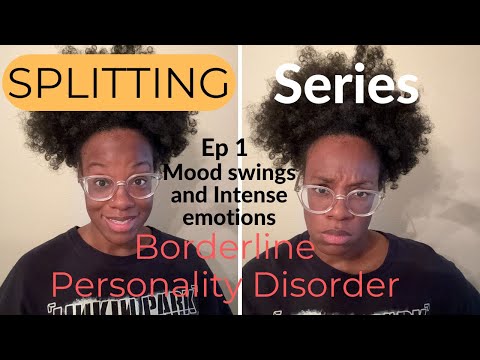
So, you know when you’re just trying to chill but your emotions are like, all over the place? Yeah, that’s kind of how it feels for folks dealing with quiet borderline personality disorder, or BPD for short. It’s like being on a rollercoaster that you didn’t even sign up for.
This blog provides content for informational, educational, and reflective purposes only. The information published here does not constitute medical, psychological, or psychiatric advice, and it does not replace the evaluation, diagnosis, treatment, or individualized guidance of a properly licensed professional. If you believe you may be experiencing a psychological or health-related issue, consult a qualified professional as soon as possible before making important decisions about your well-being. Do not self-medicate or start, stop, or change medications, therapies, or treatments on your own. While we aim to provide useful and accurate information, we do not guarantee that it is complete, current, or suitable for every situation. Your use of this content is at your own risk, and reading it does not create a professional, clinical, or therapeutic relationship with the author or this website.
I was scrolling through Reddit the other day and stumbled upon some really raw conversations. People were sharing their experiences with this thing called «splitting.» It can be confusing and lonely when your feelings flip from “I love you” to “I can’t stand you” in a heartbeat.
But what if I told you that hearing from real people can shed light on this struggle? Their stories are both relatable and eye-opening. Let’s dig into some of those insights because honestly? You might find something that resonates with your own journey.
Understanding Splitting in Quiet BPD: Insights into Emotional Experiences
In the world of mental health, splitting can be a tricky concept, especially when it comes to Quiet Borderline Personality Disorder (BPD). If you’ve never heard of Quiet BPD, it’s a form of BPD where folks often keep their feelings to themselves. They might seem calm on the outside but are dealing with intense emotional turmoil inside.
So, what’s splitting? Well, basically it’s when someone views things in extremes. You know, it’s like seeing things as all good or all bad, without any gray area in between. For people with Quiet BPD, this can be particularly confusing because they might struggle to express their emotions openly.
When you experience splitting, you might suddenly shift from idealizing someone to feeling completely abandoned by them. Imagine you’re having a great conversation with a friend—everything feels perfect. Then something small happens—maybe they don’t reply right away—and your mind flips the script. You start feeling like they don’t care about you at all. It’s disorienting and painful.
Here are some insights into how people describe this emotional rollercoaster:
- Intense Emotions: When splitting hits, the feelings can feel overwhelming. Like one moment you’re on cloud nine, and the next you’re deep in despair.
- Self-Perception Shifts: You might constantly fluctuate between thinking you’re amazing and worthless.
- Coping Mechanisms: Many try to cope by retreating inward or putting on a brave face for the world while battling inner chaos.
People often report sharing their experiences online, particularly on Reddit forums. Through stories and discussions there, you can see common themes emerge around feeling misunderstood or alone during these shifts in perception.
It’s crucial to remember that resolving this kind of emotional experience doesn’t happen overnight. Therapy plays a significant role here; many find that working through these issues with a therapist helps them navigate the ups and downs more effectively.
One user shared an anecdote about having an amazing day with friends but then spiraling into sadness once they went home alone. They felt like no one cared when really it was just silence after excitement—a huge difference that was hard for them to grasp in that moment.
Understanding these dynamics of splitting in Quiet BPD is so important because it brings light into what often feels like dark corners of mental health experiences. It offers some validation and helps bridge connections between emotional realities and how we process them through our behaviors and thoughts.
The thing is, if you’re experiencing this or know someone who is—it’s okay! You’re not alone in those feelings or experiences. Finding community support can be incredibly helpful too; knowing others are out there navigating similar paths may ease some burdens along the way.
Understanding Micro Splitting in Borderline Personality Disorder: Key Insights and Implications
Borderline Personality Disorder (BPD) can be a tough nut to crack, especially when it comes to understanding concepts like micro splitting. This is a more subtle form of splitting that often flies under the radar. So, let’s dig into what it means and how it can show up in real life.
Micro splitting refers to those moments when your perception of someone shifts dramatically within a short time frame—like a light switch flipping. One minute, you might feel warm and fuzzy toward them, and the next? You’re convinced they’re the enemy. It’s not just about feeling angry or sad; it’s as if your whole view of that person has completely flipped.
In the context of **Quiet BPD**, which is less visible than classic BPD but just as impactful, micro splitting can be particularly tricky. People dealing with Quiet BPD often internalize their feelings instead of expressing them outwardly. They might feel like they’re going through emotional whiplash while keeping a calm exterior, which can be really exhausting.
Here are some key insights:
Think about this for a sec: you’re hanging out with friends one day and everything feels perfect—laughter, good vibes. But then one small thing happens—a joking comment goes wrong—and suddenly you’re convinced no one cares about you. That kind of shift is classic micro splitting.
Now, why does this matter? Understanding micro splitting helps not only those with BPD but also their friends and family members who may feel confused by these sudden changes in behavior or feelings. It allows for better communication and helps everyone involved navigate tricky waters more smoothly.
In online communities like Reddit, there are tons of discussions where folks share their own experiences with micro splitting in Quiet BPD. Some talk openly about feeling lost during these shifts; others share strategies that worked for them to identify when it begins to happen so they can respond differently.
The takeaway? Micro splitting is part of living with BPD that deserves more attention because it affects relationships deeply. So if you or someone you know deals with this on any level, know that you’re not alone in this struggle; understanding is key to finding ways forward together.
Understanding the Subtle Signs of a Quiet BPD Meltdown: What to Look For
When we talk about **quiet borderline personality disorder (BPD)**, it can be tricky. It’s like this hidden storm inside a calm sea, you know? People with quiet BPD often struggle silently, and they might not even show the usual signs of distress that others might expect. Instead of shouting or causing chaos, they internalize their feelings. So if you’re observing someone with quiet BPD, here’s what to really look for.
First off, one of the subtle signs is **emotional numbness**. You might notice them withdrawing from conversations or social events without a clear reason. It’s like they’re physically there but mentally checked out. For example, your friend Sarah might usually be chatty but suddenly becomes quiet during dinner. You can see her smile fade into the background.
Another thing to notice is **anxiety about relationships**. They may fear abandonment or rejection but keep those worries hidden. Maybe your sibling starts acting distant after a small argument, even though everything seems fine on the surface. You know there’s something deeper going on.
Then there’s **self-criticism** that seems relentless. If they’re constantly putting themselves down, that could signal trouble brewing inside their heads. Picture someone who messes up at work and spirals into thoughts like «I’m such a loser»—that negative self-talk can lead to an emotional meltdown.
Also pay attention to **mood swings** that seem out of nowhere but maybe aren’t as dramatic as you’d think. They might seem fine one moment and then deeply sad or irritable shortly after. It’s not always easy to spot these shifts unless you’re really tuned in because they can happen quickly and quietly.
Another key point is **perfectionism** mixed with feelings of inadequacy. You might notice them obsessing over small details or tasks in an effort to feel in control—like spending hours on a project only to decide it’s not good enough and scrapping it altogether.
Lastly, there’s often this pattern of **avoidance** of difficult emotions or situations—like running away from anything that feels overwhelming instead of facing it head-on. Imagine your friend opts out of going to a party simply because they fear feeling overwhelmed by all the interactions.
In summary, being aware of these quieter signs can help you understand what someone with quiet BPD is going through without adding pressure or judgment:
- Emotional numbness – Withdrawal from social interactions.
- Anxiety about relationships – Fearing abandonment yet hiding those fears.
- Self-criticism – Relentless negative self-talk.
- Mood swings – Rapid changes in emotions without obvious triggers.
- Perfectionism – Obsessing over small details leading to feelings of inadequacy.
- Avoidance – Staying away from overwhelming situations.
You see? It’s not always easy to spot these things at first glance; understanding takes time and patience. But recognizing these subtle signs can be so helpful for supporting someone navigating this emotional landscape.
Quiet BPD, or borderline personality disorder, can be quite a ride. It’s like a hidden storm brewing inside you. The people who experience it often feel like they can’t show what they’re really going through. Instead of the usual dramatic outbursts we sometimes hear about with BPD, folks with quiet BPD might keep their feelings bottled up and suffer in silence.
I was scrolling through Reddit the other day and stumbled upon some threads where users were sharing their stories and insights about navigating this tricky emotional landscape. Seriously, it was eye-opening! You could really see how different everyone’s experiences were while still sharing that common thread of struggle.
One user described it as living constantly in a state of chaos but appearing calm on the outside. It reminded me of that feeling when you’re in a crowded room, laughing with friends, but inside you’re battling some heavy emotions. You know? That disconnect between what people see and what you truly feel can be so tough to manage.
A lot of the insights were about splitting – that phenomenon where your perception of others or yourself swings from extremes: one moment everything feels wonderful, then next it’s all terrible. What caught my attention was how many Redditors emphasized the importance of grounding techniques. They talked about using mindfulness or journaling to sort through their feelings instead of letting them spiral out of control.
One story stood out where someone mentioned how they learned to recognize when they were beginning to split. They said it was kind of like catching a wave before it crashes down on you—a way to redirect those intense feelings before they take over your whole day. That made me think about the power of self-awareness and how even little moments can make a huge difference.
Reddit isn’t just filled with memes and cat pictures; sometimes it’s a genuine lifeline for people looking for understanding. Reading those posts gave me an insight into how important community can be when navigating something as complicated as quiet BPD. Knowing you’re not alone in feeling these intense emotional shifts is comforting—even if it’s just virtual support from strangers who get it.
So if you’ve ever felt like you’re stuck in that silent storm, know that there’s hope out there—and perhaps some wisdom waiting to be discovered in unexpected places like online forums. It’s all part of the journey to finding your way through those cloudy skies toward clearer ones again.