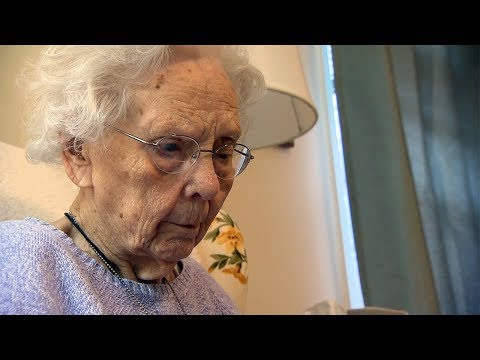
You know, loneliness is a sneaky feeling. It creeps in when you least expect it.
This blog provides content for informational, educational, and reflective purposes only. The information published here does not constitute medical, psychological, or psychiatric advice, and it does not replace the evaluation, diagnosis, treatment, or individualized guidance of a properly licensed professional. If you believe you may be experiencing a psychological or health-related issue, consult a qualified professional as soon as possible before making important decisions about your well-being. Do not self-medicate or start, stop, or change medications, therapies, or treatments on your own. While we aim to provide useful and accurate information, we do not guarantee that it is complete, current, or suitable for every situation. Your use of this content is at your own risk, and reading it does not create a professional, clinical, or therapeutic relationship with the author or this website.
For many older adults, it’s like a shadow that hangs around. They might be surrounded by people but still feel totally isolated. That’s tough, right?
But get this: it doesn’t just mess with emotions; it can really take a toll on mental health too.
Think about Grandma or that neighbor who always sits alone on the porch. It’s not just about being alone; it’s what that loneliness does to them over time.
We’re gonna dive into why this matters and how we can help change the story for those we care about. Ready? Let’s chat about it!
Understanding the Impact of Social Isolation on Elderly Mental Health
Social isolation can hit elderly folks hard, you know? When you think about it, getting older often comes with a lot of changes. Friends and family might move away, or sadly, pass on. This can leave some older adults feeling pretty alone.
First off, let’s talk about loneliness. It’s that empty feeling when you’re surrounded by silence. Imagine an elderly person sitting in their living room, the TV blaring but nobody to chat with after the show ends. It’s tough! When someone experiences chronic loneliness, it can seriously affect their mental health.
When you’re isolated, your mind might start playing tricks on you. Sometimes it feels like you’re stuck in your thoughts without anyone to help process them. As a result, feelings of sadness and anxiety can creep in more easily. It’s like being in a fog that won’t lift. Some studies have shown that lonely elders are more prone to depression and anxiety disorders.
Also, there’s this thing called cognitive decline. Basically, being alone too much can lead to memory problems or trouble concentrating. Picture this: an older woman who used to remember every detail about her family gatherings suddenly struggles to recall names or faces because she hasn’t been socializing enough. Scary stuff!
Now here’s something else that often gets overlooked: the physical health connection. When we feel lonely or depressed, our bodies react too! This could mean higher stress levels or even a weakened immune system. You could say their bodies feel what their minds are going through—like a feedback loop of negativity.
But it doesn’t stop there! Social isolation also affects sleep patterns. Those feelings of loneliness and anxiety can make it harder to get a good night’s sleep. So imagine waking up tired and cranky after sleepless nights—it’s just a vicious cycle!
And let’s not forget about the risk of substance abuse. Some folks might turn to alcohol or medication as a way to cope with how they’re feeling inside when they don’t have anyone around for support.
So what can we do? Check in on those older adults in your life! A simple phone call or visit can make such a huge difference—it’s all about reaching out. Encourage them to join community groups or activities; social interaction is like fuel for mental health!
In short, social isolation is no joke for elderly folks—it impacts their mental and physical well-being in so many ways. Staying connected is key; think of it as adding sunshine back into their lives after too long in the dark!
Understanding the Health Risks of Social Isolation and Loneliness in Older Adults
Okay, let’s talk about a big deal for older adults: social isolation and loneliness. Seriously, it’s not just about feeling lonely; there are real health risks that come with it.
First off, when you’re feeling isolated or alone, it can mess with your mental health. You might experience increased anxiety or feel down more often. It’s like being stuck in a loop of negative thoughts. If you’ve ever felt like no one understands you or that there’s no one to talk to, then you get why this matters.
But wait—there’s more! Loneliness isn’t only about sadness. It can affect your physical health too! Here are some key points:
- Heart Health: People who feel lonely might be at a higher risk for heart problems. Yep, studies show that loneliness can lead to increased blood pressure and higher cholesterol levels.
- Immune System Issues: Feeling isolated can weaken your immune system. This means your body might struggle more to fight off illnesses.
- Cognitive Decline: Loneliness has been linked to faster cognitive decline in older adults. It’s like your brain doesn’t get the stimulation it needs when you’re not interacting with others.
- Sleep Problems: If you’re lonely, you might have trouble sleeping too! Anxiety and sad feelings often mess with sleep patterns—making everything worse.
- Higher Mortality Risk: Various studies reveal that chronic loneliness can increase the risk of death in older adults—not exactly what we want to hear!
So, what exactly is going on? Basically, it’s tied to how we humans connect. Social interaction is crucial for our well-being at any age but becomes even more vital as we get older. Remember Mrs. Thompson from down the street? You know, she used to bake those fantastic cookies? When her husband passed away and she stopped meeting her friends for bingo night, she slowly withdrew from everything. Over time, her health declined—not just because of sadness but because she wasn’t getting out and moving around or engaging with people.
This whole situation speaks volumes about why staying connected is essential for older adults. You’re not just fighting against loneliness; you’re working towards better overall health! Whether it’s through community programs, family visits, or even online groups—staying engaged really helps keep those risks at bay.
The thing is: finding connections doesn’t always come easy for some folks as they age. Mobility issues or lack of transportation can make meeting up tough. That’s where family and friends really play a role—check-in on the older people in your life! A simple phone call or visit could mean the world and help fend off those nasty health risks associated with isolation.
To sum up: loneliness isn’t just an emotional issue—it’s a serious health concern for older adults too. So let’s all do our part in reminding those amazing seniors that they’re not alone! They deserve connection just like anyone else!
Understanding Social Isolation and Loneliness in Older Adults: A Comprehensive PDF Guide
Social isolation and loneliness are real challenges for older adults. They can happen for a bunch of reasons, like losing friends or family, health issues, or even just the daily grind becoming too much. When you think about it, it’s not just being alone; it’s feeling alone, and that can really weigh on someone.
What’s the Difference?
First off, let’s clear up some terms. **Social isolation** is basically when someone doesn’t have enough social connections. It’s like living in a bubble where no one comes to visit or talk to you. **Loneliness**, on the other hand, is more about your feelings. You might be surrounded by people but still feel disconnected.
Now, both of these can really mess with mental health. For older adults, they can lead to conditions like depression and anxiety. So when we’re talking about social isolation and loneliness in older adults, we need to look out for signs that something’s up.
Why Do They Matter?
Being isolated is more than just sad; it can also affect physical health! Some studies show that lonely seniors face higher risks of things like heart disease or even early death compared to their more connected peers. That’s a big deal!
What Causes It?
There are several reasons older adults might end up feeling isolated:
Once you start adding these factors together, it becomes clearer why so many older people feel lonely.
The Emotional Toll
Let me tell you about Marge. At 78 years old and recently widowed, she moved into a new apartment by herself after 50 years with her husband. At first, she was excited but soon found herself sitting alone in her living room more often than not—feeling invisible as time went by. Those feelings crept in slowly but surely: sadness turned into a feeling of emptiness as she realized her circle had shrunk considerably.
Marge decided to join a book club at her local library after hearing about one from her neighbor—it wasn’t easy at first! But guess what? She discovered she wasn’t alone in feeling lonely! The shared love for stories brought her closer to others who understood.
Coping Strategies
So how can the situation improve? Here are some ideas:
It’s all about finding ways back into life!
The Role of Caregivers
Family members and caregivers play critical roles here too! Regular check-ins—a phone call or a visit—can make all the difference for someone feeling isolated. Encouraging your loved ones to join activities or reminding them they aren’t forgotten is important.
Social isolation and loneliness among older adults aren’t just problems with easy answers; they require understanding and compassion from all sides involved. While society must acknowledge these struggles honestly and openly—and provide resources—individual efforts count too.
Marge embraced her new life with open arms after being proactive in seeking out connection rather than waiting quietly at home—an inspiring example that reminds us: reaching out can truly change lives.
Loneliness is one of those heavy feelings that can creep up on anyone, but man, for older adults, it’s like a storm cloud that just won’t clear. When you think about it, aging often means losing friends and loved ones, moving away from familiar settings, or even facing health issues. So suddenly, you find yourself in a quiet house where the silence feels loud. It makes sense that loneliness could hit hard.
You know, I was talking to my neighbor the other day. She’s in her late seventies and recently lost her husband. I noticed she hadn’t been outside much, and when I stopped by for a chat, she mentioned how strange it was not to have anyone to share her days with anymore. It was heartbreaking. She had this sparkle in her eye when she talked about old times but then shifted to how empty things felt now. Just imagine feeling like your stories don’t matter anymore because there’s no one around to hear them.
The thing is, loneliness isn’t just sad; it can put older folks at risk for serious mental health issues. We’re talking depression and anxiety levels creeping up like unwanted house guests. Studies show that loneliness can even affect physical health – you could be looking at things like higher blood pressure or heart disease if someone feels isolated for long periods.
And let’s not even get started on the stigma around reaching out for help! Some might feel embarrassed or think they’re being a burden if they open up about their loneliness. But honestly? Everyone needs someone sometimes! Whether it’s connecting with family over a video call or joining a local club or group – anything can help bridge that gap.
So yeah, if you’ve got an older adult in your life, check in on them from time to time. A simple phone call or visit can make a world of difference; sometimes all it takes is knowing someone cares enough to reach out and share some laughter or stories again. It might just brighten their day—and yours too!