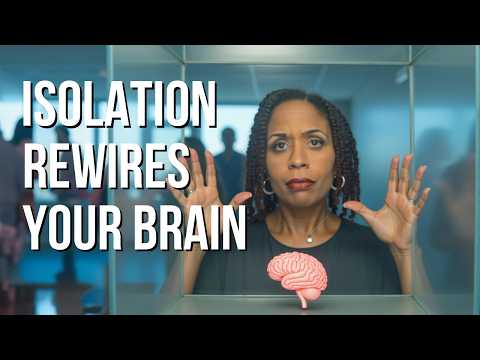
You know that feeling when you’re in a crowded room but still feel all alone? Yeah, that’s loneliness. It can creep up on you, and it’s not just a bit uncomfortable.
This blog provides content for informational, educational, and reflective purposes only. The information published here does not constitute medical, psychological, or psychiatric advice, and it does not replace the evaluation, diagnosis, treatment, or individualized guidance of a properly licensed professional. If you believe you may be experiencing a psychological or health-related issue, consult a qualified professional as soon as possible before making important decisions about your well-being. Do not self-medicate or start, stop, or change medications, therapies, or treatments on your own. While we aim to provide useful and accurate information, we do not guarantee that it is complete, current, or suitable for every situation. Your use of this content is at your own risk, and reading it does not create a professional, clinical, or therapeutic relationship with the author or this website.
A lot of folks don’t realize how deep it goes. Seriously. Loneliness can mess with your mental health in ways we might not even think about.
I mean, think about it: one day you’re fine, and the next? You’re spiraling down a rabbit hole of sadness or anxiety. It can sneak up on anyone—doesn’t matter how many friends you’ve got.
Let’s chat about the hidden risks of loneliness and why it matters so much for your mind. It’s something we should really pay attention to, don’t you think?
Uncovering the Hidden Risks of Loneliness on Mental Health and Brain Function
Loneliness. It’s one of those things that can creep up on you, like a shadow you didn’t notice at first. You might think, «Oh, I’m just fine,» but then one day you realize it’s become a constant companion. And here’s the kicker: being lonely doesn’t just feel bad; it can really mess with your mental health and even how your brain works.
Emotional Health
Feeling lonely often leads to sadness or anxiety. It can spike feelings of worthlessness and isolation. You might remember a time when you felt totally alone in a crowded room. That sensation can chip away at your self-esteem bit by bit. A friend once told me about a tough period in her life when her friends moved away. She said she felt like she was on an island, which made her more withdrawn and even sadder over time.
Physical Health
It’s not just about emotions either; loneliness can affect your body too. Research shows that it may increase risks for various health issues, from heart disease to weakened immune responses. Like, if you’re constantly battling feelings of isolation, your body might react as if it’s under stress all the time—not good news for anyone!
Brain Function
Then there’s the brain itself! Loneliness has been linked to cognitive decline. You might struggle to focus or remember things as well as you used to when you’re feeling isolated. There’s some fascinating data that suggests lonely people are at higher risk for conditions like Alzheimer’s disease later in life.
Social Connections Matter
So why does this happen? Well, social connections are fundamental for our brains—they’re literally food for our mental health! Engaging with others helps keep our cognitive skills sharp and our emotions balanced.
- The brain releases chemicals like oxytocin when we interact socially.
- Loneliness can lead to chronic stress levels that harm brain function.
- Positive interactions boost mood and cognitive abilities.
Taking Action
If this hits home for you or someone you know, try reconnecting with others—perhaps pick up the phone or join a community group! Seriously, small steps can create ripples of change in how you feel.
In short? Loneliness isn’t just an emotional hiccup; it has real effects on both mental health and brain function. It’s super important to keep those social connections alive and strong—you’ll be doing yourself a big favor!
Exploring the Impact of Social Isolation on Mental Health: Understanding the Emotional and Psychological Consequences
Social isolation is a heavy topic, and honestly, it can feel overwhelming sometimes. When we talk about the emotional and psychological consequences of feeling alone, it’s crucial to get a grip on what that actually means. You see, it’s not just about being physically by yourself; it’s also about feeling disconnected from those around you.
Loneliness hits hard. It can creep in like a smoke curling under a door. At first, you might think, “I’m fine; I like my own company.” But over time, that feeling can twist into something more serious. You might start to notice that simple things—like chatting with a neighbor or grabbing coffee with a friend—feel exhausting or even impossible.
- Emotional toll: Social isolation often leads to feelings of sadness or anxiety. Imagine being stuck in your room for days on end. It’s easy for negative thoughts to pile up when no one is around to challenge them.
- Physical health effects: Believe it or not, loneliness can impact your body too. Studies show that isolated individuals experience higher rates of health issues like heart disease and weakened immune function.
- Cognitive decline: Lack of social interaction may lead to difficulties in concentrating or memory problems. It can be hard to focus when your mind feels foggy from lack of connection.
- Increased risk of depression: Persistent loneliness is linked to higher chances of developing depression. The thing is, these feelings often feed into each other—loneliness leads to depression, which then makes you withdraw further.
- The cycle continues: Isolation creates a downward spiral; the longer you’re isolated, the harder it becomes to reach out and reconnect.
You know how sometimes just hearing someone laugh can make you feel lighter? That connection—even if it’s brief—serves as an anchor during tough times. Without these little moments, we start drifting away from our true selves.
Think about Sarah for a moment. She was always the life of the party but after moving away for work and not connecting with neighbors or coworkers outside her job? She started feeling invisible and disconnected in her own life. Over time, she realized she’d gone weeks without meaningful conversation. The result? Distress turned into anxiety attacks whenever she thought about reaching out.
A way out exists! Building social connections doesn’t have to be super complicated. Just starting small can help—a text message here, joining a community group there. Even online interactions count! Finding ways to engage with others helps combat those feelings of isolation.
So yeah, while social isolation can hit us hard emotionally and psychologically, remember there are paths back toward connection and healing waiting for us if we take that first step!
Understanding the Effects of Social Isolation on Mental Health: A Comprehensive PDF Guide
Social isolation can seriously mess with your head. You know how sometimes you just feel like you’re in a bubble, cut off from everyone else? That feeling isn’t just annoying; it can lead to some real mental health issues. Basically, when you’re isolated from others for long periods, it can increase feelings of anxiety, depression, and even stress.
What is social isolation? It’s more than just being physically alone. It’s that sense of not having a connection with people around you. Even if you’re surrounded by folks, you might still feel totally isolated if there’s no emotional connection. You follow me?
When someone experiences social isolation, they often face hidden risks. Think about it: when we’re lonely, we tend to ruminate on negative thoughts. This can spiral into deeper issues like depression or anxiety disorders. Feeling disconnected makes it harder to cope with everyday stressors.
Here are some key effects of social isolation on mental health:
It’s not just about feeling blue; it’s how your body reacts too! When you’re socially isolated for a while—the world starts to seem darker and scarier.
You’ve probably heard stories about folks who were super active and then suddenly became cut off from their friends or family—it’s like watching someone dim their own lights. For instance, think about someone who’s moved to a new city without any familiar faces around. At first, maybe they’re excited, but over time that loneliness can become overwhelming.
So what’s the deal? Well, reaching out matters! It doesn’t always have to be face-to-face interactions either—calling a friend or chatting online goes a long way in lifting moods and creating connections again. Even small gestures help bridge that gap—like saying hi to neighbors or joining community groups.
Overall, it’s crucial to understand how significant human connections are in maintaining good mental health! Recognizing the signs of social isolation in yourself or others is the first step toward making things better—you know? So keep an eye out and don’t hesitate to reach out if you or someone you know is struggling with this kind of loneliness!
Loneliness is one of those things that creeps up on you, isn’t it? You could be in a crowded room, laughing with friends, but then there’s that nagging feeling—like you’re just not *really* there. I remember this one time; I was at a party, surrounded by people I knew. I was smiling and chatting, but inside, it felt like I was floating in my own bubble. That’s loneliness for you.
So let’s talk about why loneliness is more than just a passing feeling. It can sneak in and take hold of your mind like an uninvited guest. Research shows that prolonged loneliness can elevate the risk of anxiety and depression. It’s like this vicious cycle where feeling isolated leads to negative thoughts, making you withdraw even more. And the thing is, when you’re lonely, it’s tough to reach out for support or connect with others, which just deepens that sense of isolation.
Now picture this: there are actual changes happening in your brain when you’re feeling lonely. Stress hormones go up, and it can even affect your physical health—like raising blood pressure or messing with your immune system. It’s wild how connected our mental state is to our bodies! If you’re constantly feeling alone, your whole system can take a hit—emotionally and physically.
But here’s where it gets tricky. Many folks might not even realize they’re lonely or underestimate its impact until they hit rock bottom. They think they should just “tough it out.” But seriously, taking steps to reconnect—even if it’s awkward at first—is so important. Just sending a text to an old friend or joining a local group can work wonders.
In my experience—and maybe you feel this too—taking one small step can really help break that cycle of loneliness. It could be as simple as saying hi to a neighbor or grabbing coffee with someone from work. Little connections can lead to bigger ones over time.
Ultimately, addressing loneliness isn’t just about feeling better emotionally; it’s about keeping ourselves healthy overall too. Being aware of those hidden risks is the first step in changing things up for the better!