You know that feeling when you scroll through your phone for what feels like forever? Yeah, me too.
This blog provides content for informational, educational, and reflective purposes only. The information published here does not constitute medical, psychological, or psychiatric advice, and it does not replace the evaluation, diagnosis, treatment, or individualized guidance of a properly licensed professional. If you believe you may be experiencing a psychological or health-related issue, consult a qualified professional as soon as possible before making important decisions about your well-being. Do not self-medicate or start, stop, or change medications, therapies, or treatments on your own. While we aim to provide useful and accurate information, we do not guarantee that it is complete, current, or suitable for every situation. Your use of this content is at your own risk, and reading it does not create a professional, clinical, or therapeutic relationship with the author or this website.
Social media can be a blast, but it’s got some sneaky side effects.
Like, ever notice how comparing yourself to that influencer’s perfect life kinda sucks the joy out of your day?
Or when you feel all pumped up after a like session, only to crash hard later?
It’s wild how something so fun can also mess with your head. So let’s chat about the hidden costs of social media on mental health. You might find it hits closer to home than you think!
Unveiling the Hidden Costs of Social Media on Mental Health in 2020
Social media has become a huge part of our daily lives, right? I mean, we scroll through feeds, share selfies, and catch up with friends. But here’s the thing: it also comes with some hidden costs to our mental health that we often overlook.
FOMO and Anxiety
You’ve probably heard of FOMO—fear of missing out. It’s like when you see your friends having fun without you, and it can spark some serious anxiety. You might start feeling like you’re not doing enough or that everyone else is living their best life while you’re stuck at home. It’s a slippery slope.
Comparison Culture
Then there’s this whole comparison thing. Social media is basically a highlight reel of everyone’s life, right? People post their best moments, which can lead you to compare yourself to them. It’s tough when you’re only seeing someone’s filtered perfection while you’re just trying to figure things out yourself.
Addiction and Screen Time
And let’s talk addiction. Studies have shown that social media can be pretty addictive. You find yourself mindlessly scrolling for hours instead of doing things you enjoy or even getting enough sleep. That constant need for likes and comments can seriously mess with your self-esteem too.
Cyberbullying
Now, cyberbullying is another dark side of social media that can have devastating effects on mental health. People feel emboldened by anonymity online; they might say things they’d never dream of saying face-to-face. This kind of negativity can lead to feelings of isolation and depression.
Sleep Disruption
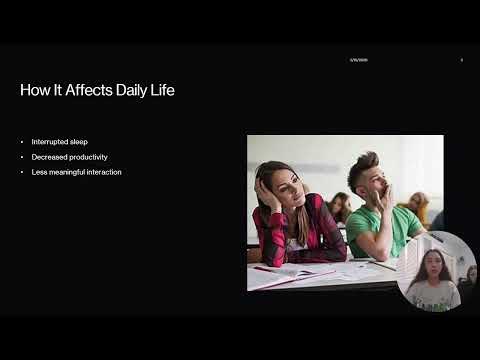
Oh! And don’t forget about sleep disruption. The blue light from screens affects melatonin levels, making it harder for you to fall asleep. If you’re scrolling late at night, good luck waking up refreshed in the morning! Lack of sleep is linked to anxiety and mood disorders—just a double whammy!
Social Isolation
Ironically, social media can make us feel more isolated than ever. You might have hundreds of “friends” online but still feel lonely in real life. This disconnect can lead to serious feelings of worthlessness or sadness because human interaction doesn’t just happen through screens.
The Pressure to Perform
And then there’s the pressure to present an idealized version of yourself—whether it’s posting the perfect sunset photo or sharing every success story in detail. All this pressure builds up over time and can really wear on your mental health.
In 2020 especially, these hidden costs became even more apparent as many turned to social media for connection during tough times like lockdowns caused by the pandemic. So many people felt increased loneliness and stress due to what they were experiencing versus what they saw online.
The thing is: being aware of these issues is super important if we want to protect our mental health while enjoying all the benefits social media has to offer! Balance is key, right?
Exploring the Latest Insights from Psychology Today’s Current Issue
So, diving into the current buzz from Psychology Today about “Social Media’s Hidden Costs on Mental Health,” it’s clear there’s a lot to unpack here. The way we engage with social media can seriously impact our mental wellness, and researchers are really taking a close look at that.
First off, constant comparison is a huge issue. Think about it: you scroll through your feed and see everyone living their best lives. It’s easy to feel like you’re not measuring up. Studies show that this kind of comparison can lead to feelings of inadequacy or low self-esteem. You might find yourself saying, “Why don’t I have that body?” or “Why isn’t my life as exciting?” Every like or comment seems to somehow weigh on your self-worth even more.
Then there’s the whole FOMO thing. Fear of missing out is real! When you’re glued to your screen, seeing friends hanging out without you can be tough. It’s like being left out of an inside joke or something. This feeling can lead to anxiety, loneliness, and even depression over time. Like, if you can’t be part of the fun online, it feels worse in real life.
Also, let’s talk about addiction. Yeah, it sounds serious because it kind of is! Social media can become addictive. You know how you pick up your phone for just a minute but then two hours later you’re deep into some random rabbit hole? That constant need for validation through likes or shares releases dopamine in our brains—making us want more and more. It’s almost like having dessert; once you start, it’s hard to stop!
And there’s the impact on sleep. Late-night scrolling? Bad news for your shut-eye! The blue light from screens messes with our melatonin levels (that’s the hormone that helps regulate sleep). If you find yourself staying up late because you’re just “checking one more post,” it affects how rested you’ll feel the next day—not ideal if you’ve got stuff to do.
Lastly, consider how social media shapes our sense of community. Yeah, it’s meant to connect us but often in a superficial way. Real support sometimes gets lost behind emojis and comments. You might feel surrounded by people yet isolated when it comes to genuine emotional connections. It’s kind of ironic—having thousands of followers and yet feeling totally alone at times.
In short—and this is pretty crucial—while social media has its perks (like connecting with old friends or promoting causes), the hidden costs could really weigh heavy on mental health if we’re not careful. We should definitely keep these insights in mind as we use these platforms every day; being aware is half the battle!
Exploring Current Trends and Innovations in Psychology: Insights Into Mental Health Today
So, let’s talk about social media and its connection to mental health. There’s a lot going on in this space, and honestly, it can feel overwhelming at times. You probably use social media daily—whether it’s scrolling through Instagram or catching up on TikTok trends. But have you ever stopped to think about how it really affects your mood?
First off, let’s acknowledge that social media isn’t all bad. It can help you connect with friends and find communities where you feel understood. But then again, it has some hidden costs that can really mess with your mental well-being.
Here are some key points to consider:
- Comparison Trap: You know that feeling when you see someone posting their perfect vacation pics? It can make your own life feel kind of dull in comparison. Seriously, even if you’re having a good day, those gorgeous beach shots can hit hard.
- Anxiety and FOMO: The fear of missing out is real! Scrolling through endless parties or events without an invite can spike feelings of anxiety—like you’re somehow not living life to the fullest.
- Addiction-like Behaviors: Social media’s designed to keep you hooked; those endless scrolls might actually boost dopamine levels in your brain temporarily. But when it wears off, it often leaves you feeling empty or anxious.
- Cyberbullying: No one wants to be a target of online bullying. Unfortunately, the anonymity of the internet makes it easier for some people to say hurtful things. This can seriously impact self-esteem and emotional health.
Let me share a little story here. A friend of mine was super excited about getting likes on her posts. At first, everything was awesome! But then she started feeling down whenever her photos didn’t get the attention she hoped for. It’s like she got caught in this cycle where her happiness depended on virtual validation. No fun at all.
Now let’s discuss how some folks are tackling these issues. Mental health professionals are becoming more aware of these trends and are finding useful ways to help people cope effectively:
- Digital Detoxes: Taking breaks from social media isn’t just a buzzword; it’s something many therapists recommend! Even short breaks can help clear your mind and give your self-esteem a bit of a boost.
- Mental Health Apps: Some apps focus specifically on helping users manage their emotions while using social platforms—like mood trackers or mindfulness tools right at your fingertips!
- Education and Awareness: Schools and community programs are starting conversations around healthy social media use. The more we know about these effects, the better we are equipped to handle them.
In wrapping this up (not that they tell me how!), while social media certainly has its perks—we can’t ignore those hidden costs that come along with it. I mean, balance is key here! If you’re feeling overwhelmed by what you’re seeing online or noticing changes in your mood because of it—maybe it’s time for a little reevaluation.
So pay attention to how social media makes *you* feel today! It’s all about taking care of yourself in this digital world we live in.
You ever scroll through your feed and feel, I don’t know, a mix of excitement and that gnawing pinch in your stomach? Yeah, social media can be a real rollercoaster, right? Like, one minute you’re laughing at cat videos, and the next, you’re feeling down about your life compared to someone’s vacation pics. The thing is, it’s not just in our heads; there’s some real stuff happening beneath the surface.
Take a moment to think about it—it’s almost like we’ve become used to curating this perfect online persona. We post our best moments, filtered and polished. But what about the messy parts? Well, they tend to get buried under all that perfection. And if you’re like most people, seeing all that shiny stuff can lead you to feel inadequate or even lonely sometimes. You start comparing yourself against these highlight reels and wonder why you’re struggling when everyone else seems to have it all together.
I remember chatting with a friend who was always posting these fantastic travel shots. She looked so happy! But when we hung out one day, she confessed she felt incredibly lonely despite being surrounded by followers. It was eye-opening for both of us. Here she was—seemingly living her best life—while battling feelings of isolation behind the screen.
Another point? Those late-night scrolls can totally mess with your sleep. You think you’re just checking a couple of posts before bed—just five more minutes—but that can turn into an hour or more lost in the digital maze of endless content. And then boom! You wake up feeling groggy and out of sorts.
Social media can also stir up anxiety like nobody’s business. Ever thought about how many notifications you get? Each ping feels like an urgent call for your attention. It’s exhausting! And when something doesn’t go viral or people don’t engage as much as you’d hope? That can hit hard too—like an emotional pop quiz you didn’t study for.
In this crazy world of likes and shares, it’s so easy to forget that what we see isn’t always reality. It’s important to step back sometimes—take breaks from scrolling or even just practice being present in real life moments instead of through a screen.
So yeah, social media has its perks—connecting with friends, discovering new ideas—but it’s got some hidden costs on our mental health too. Just being aware can help us navigate those choppy waters a bit better.