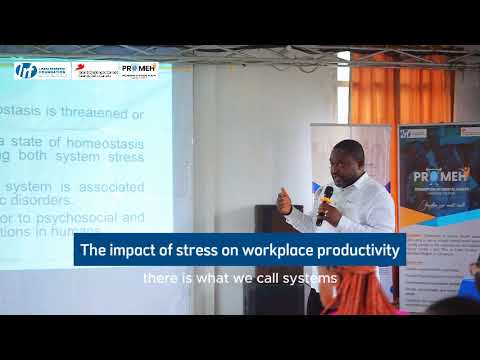
Stress at work, huh? It’s a total sneaky beast. You think you can handle it—meet the deadlines, deal with the bosses, keep your head above water. But then, it’s like this weight just sits on your chest.
This blog provides content for informational, educational, and reflective purposes only. The information published here does not constitute medical, psychological, or psychiatric advice, and it does not replace the evaluation, diagnosis, treatment, or individualized guidance of a properly licensed professional. If you believe you may be experiencing a psychological or health-related issue, consult a qualified professional as soon as possible before making important decisions about your well-being. Do not self-medicate or start, stop, or change medications, therapies, or treatments on your own. While we aim to provide useful and accurate information, we do not guarantee that it is complete, current, or suitable for every situation. Your use of this content is at your own risk, and reading it does not create a professional, clinical, or therapeutic relationship with the author or this website.
You’ve probably noticed it too. That little voice in your head? The one that won’t shut up about what’s due tomorrow? Yeah, that’s stress creeping in.
And you know what? It doesn’t just mess with your to-do list; it messes with your mind and heart too. Crazy how one little job can have such a big impact on our mental health, right? Let’s chat about those hidden costs of stress at work—because they’re real and worth talking about.
Essential Guide to Mental Health in the Workplace: Download Our Free PDF
Mental health in the workplace, huh? It’s a pretty big deal. You might not think about it much while you’re hustling through your day, but stress can sneak up on you and really take a toll. We’re talking about “the hidden costs of stress” that can hit both your well-being and your job performance. Let’s break this down.
First off, **stress isn’t just annoying**; it can lead to serious mental health issues like anxiety and depression. When you’re under constant pressure, your brain doesn’t function at its best. You might feel overwhelmed, struggle to focus, or snap at coworkers over small things. It’s like being caught in a cycle that just won’t stop.
Now, consider this: when you’re stressed out at work, **it’s not just you who’s affected**. It impacts the whole team. If one person is struggling, productivity can drop for everyone else too. You know that feeling when someone on the team is off? It creates this weird vibe that messes with collaboration.
The hidden costs of stress show up in many ways:
- Absenteeism: People might start taking more sick days or even quit because they can’t handle the pressure.
- Poor performance: Stress leads to mistakes and missed deadlines which ultimately hurts the company’s bottom line.
- High turnover rates: Constantly recruiting and training new employees drains resources and disrupts company culture.
And here’s something emotional to think about: imagine juggling multiple deadlines while also dealing with personal issues at home—it’s exhausting! A friend of mine once worked in a high-stress environment where every day felt like a race against time. Eventually, it broke her spirit; she burned out hard and had to take months off to recover.
So how do we tackle this? Employers need to prioritize mental health just as much as physical health. They can set up support systems like counseling services or wellness programs. But it’s also important for individuals to advocate for themselves.
Speaking up about mental health shouldn’t be stigmatized. If you’re feeling swamped, have honest conversations with your manager or HR about workload or resources available—sometimes just sharing what you’re going through can lighten that load.
In short, understanding mental health in the workplace isn’t only good for individuals but beneficial for organizations too. Less stress equals happier workers and better overall performance. So let’s keep talking about it!
Understanding the Impact of Poor Mental Health on Workplace Productivity and Team Dynamics
Alright, let’s talk about the effects of poor mental health at work. It’s a pretty big deal, you know? When someone is feeling stressed, anxious, or depressed, it doesn’t just affect them personally; it spills over into their job performance and team dynamics. So basically, everyone suffers. You follow me?
The thing is, when your mental health isn’t great, workplace productivity can really tank. You might find yourself taking longer to finish tasks or even missing deadlines. Imagine this: you’re sitting at your desk staring at a report that should take an hour but feels like climbing a mountain. You’re there for the time but not really there mentally. That’s what we call “presenteeism.” You’re present physically but checked out mentally.
But wait—there’s more! Poor mental health can also lead to higher absenteeism. When folks are overwhelmed or burnt out, they often need time off to recharge. This can create gaps in coverage and force others to pick up the slack. Talk about a ripple effect! It can increase stress for everyone involved and create some serious tension among coworkers.
- If you’ve got someone on your team who’s dealing with anxiety, they might avoid group meetings or social interactions because it feels too overwhelming.
- This can make others feel that they need to fill in the gaps or take on extra responsibilities—and that leads to frustration.
- A lack of clear communication happens too; when people are struggling with their mental health, they might not speak up when they need help or clarifications.
And speaking of teamwork—poor mental health can really mess with team dynamics. If one person is struggling and doesn’t speak up about it, misunderstandings can arise. Someone may misinterpret their silence as disinterest or disengagement. And that creates an us-vs-them mentality within the team. Yikes!
Here’s where the emotional part kicks in: once I had a friend who got super overwhelmed at work due to constant deadlines piling up and her boss’s high expectations. She went from being this amazing team player to feeling isolated and anxious all the time. It was heartbreaking because she was brilliant at her job but felt like she couldn’t contribute anymore. The team noticed too—they felt her withdrawing from group projects—and it was awkward for everyone.
The hidden costs of stress on mental health at work are real and impactful in ways we often overlook. There are tangible costs—like reduced productivity—but also intangible ones like morale dipping down into the cellar! It affects creativity too; when you’re stressed out or anxious, your brain isn’t in a space where new ideas can flow freely.
So yeah, understanding how poor mental health affects workplace productivity isn’t just about checking boxes—it’s essential for creating a supportive environment where everyone can thrive together! Workplaces should actively promote mental well-being through initiatives like wellness programs or flexible working arrangements because happy employees usually mean effective teams!
Enhancing Workplace Wellbeing: The Critical Role of Mental Health in Employee Productivity and Satisfaction
Enhancing Workplace Wellbeing is a topic that really deserves a look, especially when you think about how mental health affects employees’ productivity and overall satisfaction. Stress at work isn’t just a personal issue; it spills over into the company’s culture and effectiveness. It’s like that saying: when one wheel’s off, the whole car shakes, you know?
Stress can be sneaky. You might think you’re handling things well, but under the surface, anxiety can build up. And what happens then? Productivity plummets. You might find yourself staring blankly at your screen, or snapping at coworkers over little stuff. When you’re stressed, you’re not just feeling bad; your performance can take a serious hit.
So, the thing is, many workplaces overlook the hidden costs of stress. It’s not just about the stress itself; it leads to burnout. Employees who are burned out are less engaged and often less creative. They tend to take more sick days too! Imagine how that affects project deadlines or team morale.
A few key points to keep in mind:
- Increased absenteeism: When people are stressed or overwhelmed, they’re often calling in sick more frequently.
- Decreased efficiency: A stressed out employee is much less likely to give their best effort.
- Poor team dynamics: Tension from one person can ripple through the entire team.
- The cost of turnover: When employees leave because they’re overwhelmed, finding and training new staff costs companies big time.
And let’s face it: happy workers tend to stick around longer! So creating a supportive workplace isn’t just nice—it’s smart business.
To boost workplace wellbeing, organizations need to prioritize mental health. That means offering resources like counseling services or stress management workshops. Just having someone to talk to? Seriously invaluable!
Also, managers need to create an environment where people feel comfortable bringing up their mental health concerns without fear of judgement or repercussions. It should be okay for someone to say they need a day off for their mental health—just like we would for physical health.
Think about simple changes too. Flexible work hours or remote work options can do wonders for someone grappling with stressors in their personal life. This isn’t just about being nice—it’s about building a stronger foundation for everyone involved.
In the end, investing in employees’ mental wellbeing pays off—not just in happier workers but in greater success overall. When people feel valued and understood in their workplace? They produce amazing results!
You know, stress at work is like that sneaky little monster hiding under your bed. You might not see it, but it’s there, creeping in and messing with your head. I remember a time when I was juggling deadlines and unexpected meetings. It felt like this weight on my shoulders. I thought I was handling it all, but eventually, I realized that the stress was taking a toll on my mental health without me even noticing.
The hidden costs of work stress aren’t always obvious at first glance. It’s not just about feeling overwhelmed or cranky during the day. It goes deeper. When you’re stressed out, your body reacts—your heart races, you might lose sleep, or feel that tightness in your chest. Ever felt like you can’t catch a breath during a busy day? Yeah, that’s your mind playing tricks on you.
What happens is this continuous strain can lead to burnout, anxiety, or even depression over time. When the workload piles up and you’re constantly battling deadlines, your brain starts to get fried like an egg left on a hot stove too long. You might find yourself zoning out in meetings or feeling super irritable with coworkers over the smallest things.
And let’s not even talk about how stress impacts our relationships outside of work! When you’re mentally drained from the office chaos, it’s hard to show up for friends or family like you want to. You become distant because your mind is still stuck in ‘work mode’ long after you’ve clocked out.
So yeah, the thing is—acknowledging these hidden costs is crucial for personal well-being and for companies too! Organizations need to understand that when their employees are stressed out and struggling mentally, it’s not just about productivity slipping through the cracks—it affects morale and creates a toxic culture overall.
If only we could shine a light on this sneaky stress monster lurking behind cubicles and raise awareness together! Let’s talk more openly about how to manage work pressure because seriously? Mental health shouldn’t be an afterthought; it should be part of the conversation right alongside those budget meetings and quarterly reports!