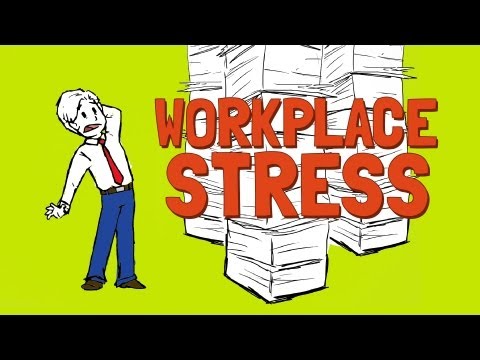
You know that feeling when your inbox is overflowing, and deadlines are creeping up like they’re in a horror movie? Yeah, workplace stress can be a real beast.
This blog provides content for informational, educational, and reflective purposes only. The information published here does not constitute medical, psychological, or psychiatric advice, and it does not replace the evaluation, diagnosis, treatment, or individualized guidance of a properly licensed professional. If you believe you may be experiencing a psychological or health-related issue, consult a qualified professional as soon as possible before making important decisions about your well-being. Do not self-medicate or start, stop, or change medications, therapies, or treatments on your own. While we aim to provide useful and accurate information, we do not guarantee that it is complete, current, or suitable for every situation. Your use of this content is at your own risk, and reading it does not create a professional, clinical, or therapeutic relationship with the author or this website.
It’s one of those things we all deal with. And honestly, some days it feels like you’re just trying to keep your head above water.
But stress doesn’t have to run the show. There are ways you can tackle it head-on.
Let’s chat about some of those strategies, shall we? You might just find something that clicks for you!
Reframing Work Stress: Strategies to Gain Perspective and Enhance Well-Being
Work stress, oh boy, it can really pile up sometimes, can’t it? Deadlines buzzing in your ear like pesky flies, endless meetings that could’ve been emails, and that constant pressure to perform. The thing is, while we can’t always change our work environment or the demands of our jobs, we can definitely shift how we look at it. That’s where reframing comes in—basically changing your perspective so you don’t feel so bogged down.
First up, let’s talk about awareness. You gotta recognize when stress is sneaking in. Maybe your shoulders are tight or you’re feeling irritable over little things. Acknowledge these feelings instead of pushing them aside. When you spot stress creeping in, take a moment to breathe and ask yourself: «What’s triggering this?» It could be a looming deadline or perhaps an unrealistic expectation from a boss.
Next, reframe the narrative. Instead of seeing challenges as threats, try viewing them as opportunities to learn and grow. For example, if you’re tasked with leading a project for the first time, think about the skills you’ll gain from this experience instead of worrying about potential pitfalls. Shift your thoughts from “I have to do this” to “I get to do this.” It might sound simple but it can make a huge difference.
Another important piece? Focus on what you can control. Seriously! A lot of stress comes from trying to manage things outside our control—like other people’s expectations or market conditions. Take a step back and figure out what pieces of the puzzle are actually yours to manipulate. Maybe it’s organizing your schedule better or communicating more openly with your team about workload.
Let’s not forget about setting boundaries. It’s totally okay to say no sometimes! If your plate is overflowing and someone asks for help with another project? Consider how much time and energy you’ll have left after taking on more work. Standing firm on boundaries helps protect your well-being.
Also handy is mindfulness. Just being present can reduce stress levels significantly. This might mean taking those five minutes during lunch just to breathe deeply or stepping outside for fresh air when deadlines feel like they’re closing in faster than a freight train. Mindfulness isn’t just some buzzword; it helps anchor us when things get hectic.
Lastly, connect with coworkers. We’re all in this together! Sharing experiences with colleagues can help lighten that mental load. Have a chat with someone who gets what you’re going through; they might even share their own coping strategies that work wonders for them.
At the end of the day, reframing work stress isn’t about ignoring reality but rather finding ways to shift how we react to it. It puts *you* back in control and helps enhance overall well-being—which is what we all need amidst the chaos of deadlines and demands!
Effective Psychological Strategies for Managing and Coping with Stress
Stress at work can feel like this heavy weight on your shoulders, right? It’s not just about deadlines; it’s about managing responsibilities, dealing with demanding bosses, and navigating office politics. You might find yourself feeling overwhelmed, anxious, or just plain exhausted. So how do you tackle this uphill battle?
First of all, let’s talk about identifying triggers. Knowing what specifically stresses you out at work is huge. Is it that one meeting that seems to last forever? Or maybe it’s the pile of emails you can’t seem to get through? Once you figure out your stressors, you can start to manage them better.
Another effective strategy is time management. Yeah, I know—it sounds boring. But seriously, creating a schedule can help keep chaos at bay. Try breaking down your tasks into smaller chunks. You might say to yourself: “I’ll tackle this report in 30-minute segments.” It makes everything feel more doable and less like a mountain you have to climb.
Then there’s the importance of setting boundaries. It’s okay to say no sometimes! If you’re overwhelmed with projects and someone asks for a favor—let’s face it—it’s okay not to take on more than you can carry. Setting those limits helps protect your mental space.
Let’s not forget about the power of mindfulness. Taking a few minutes each day to breathe deeply or even meditate can bring a surprising calm. Some people use apps for guided meditation or simply focus on their breath for a couple minutes when they feel the pressure rising.
And then there’s the relationships we build at work. Having someone to talk to is super important. Whether it’s a coworker who understands what you’re going through or even chatting with HR about stress management resources—they’re there for support.
Another angle is physical activity. Regular exercise doesn’t just keep your body healthy; it boosts those feel-good hormones too! Even just taking a brisk walk during your lunch break can clear your mind and help reduce stress.
Also consider leveraging professional help when needed. Sometimes stress becomes too much to handle alone, and that’s okay! Speaking with a therapist or counselor who specializes in workplace stress can provide tips tailored just for you.
It might also help if you build some relaxing activities into your routine after work—whether that means reading a book, catching up on your favorite series, or even cooking something new. These little pleasures give you something positive to look forward to after a long day.
So yeah, remember: managing workplace stress is totally possible with some effective strategies in place. It won’t magically make everything perfect overnight, but taking small steps will build up over time and give you back some control over your work life—and who doesn’t want that?
Top 5 Effective Strategies to Manage Workplace Stress for Better Mental Health
Managing workplace stress can feel like a balancing act, right? You’ve got deadlines, meetings, and that constant pressure to perform. Well, there are some effective strategies you can use to keep things in check. Let’s break it down.
1. Prioritize Time Management: One of the biggest sources of stress is feeling overwhelmed by your to-do list. When tasks pile up, it’s easy to lose sight of what’s important. So try making a schedule! Block out time for specific tasks and take short breaks in between. You might find that just giving yourself those small breaks can help recharge your brain, like taking a quick walk or grabbing some water.
2. Set Boundaries: It’s super important to know when to say no or step back. Sometimes, we take on too much because we want to please others or our boss expects more than we can handle. But remember: you have a limit! If you feel swamped, talk with your supervisor about your workload. You could say something like, “I’m really pushed for time this week; could we prioritize these tasks?” Being upfront can help manage expectations.
3. Develop Healthy Coping Mechanisms: It’s natural to feel stressed at work—that’s life! But how you deal with it really matters. Instead of reaching for unhealthy options like junk food or endless social media scrolling during your breaks, how about trying deep breathing or mindfulness? Even just taking a few deep breaths at your desk can ground you and clear your mind.
4. Foster Workplace Relationships: Connecting with colleagues can transform how you feel at work. When you’re stressed, sharing experiences and talking with someone who gets it helps lighten the load! Maybe grab lunch with a coworker or chat over coffee—this simple act can create support networks that make tough days easier.
5. Seek Professional Help When Needed: If workplace stress becomes unmanageable and starts affecting your mental health seriously—like causing anxiety or depression—it might be time to talk to a professional. This doesn’t mean there’s anything wrong with you; it’s just an option that many people benefit from. Therapists can provide coping strategies tailored specifically for what you’re facing.
Remember, managing stress isn’t a one-size-fits-all situation; it takes some trial and error to figure out what works best for you personally! The important thing is recognizing when stress becomes too much and taking steps to create space for yourself in the hustle of work life.
Workplace stress is a bit of a beast, right? It sneaks up on you when you least expect it. One minute you’re cruising through the day, and the next, you’re feeling like you’re drowning under deadlines and demands. I remember chatting with a friend who was constantly stressed about her job. Every evening, she’d come home exhausted, not just physically but mentally too. The pressure of targets and the endless emails weighed on her so much that it affected her mood, relationships, and even her sleep. You know how that goes.
So let’s break it down a bit. Stress at work can hit you in different ways. You might notice anxiety creeping in when you think about those upcoming meetings or maybe even that heavy workload that seems to pile up faster than you can manage. And it doesn’t just stop there; chronic stress can lead to burnout which is like hitting a wall where nothing feels enjoyable anymore.
Now, from a psychological perspective, coping with this stuff often means finding strategies that work for you personally. Everyone has their own ways of dealing, right? For some folks, mindfulness techniques help calm the storm. Just taking a few deep breaths or stepping outside for fresh air can make a huge difference! For others, talking things out with someone—a friend or even a therapist—can unburden those heavy thoughts.
It might sound cliché, but setting boundaries is also key here. You don’t have to be “on” 24/7! Seriously! Saying no sometimes doesn’t make you weak; in fact, it shows self-respect. I know one person who started leaving work at five instead of staying late all the time; honestly? It changed everything for him! He had time for hobbies again—and guess what? He was more productive during those hours he was actually at work!
Exercise is another solid way to cope with stress—it releases those feel-good endorphins we often hear about but might not fully appreciate until we’re in the thick of it ourselves. Even if it’s just a short walk during lunch or hitting the gym after work.
But look—acknowledging your feelings is crucial too. Sometimes we just brush them aside thinking they’ll disappear on their own—but they don’t really do that! So if you’re feeling swamped by workplace stress, it’s totally okay to admit that you’re struggling.
Long story short? Coping with workplace stress requires some self-reflection and finding your own groove among all the chaos. And remember: you’re not alone in this struggle; so many people are in the same boat!