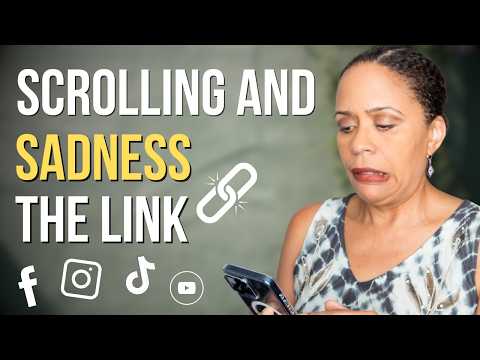
You know how it feels to scroll through your feed and see, like, a million perfect lives? It’s kinda overwhelming, right?
This blog provides content for informational, educational, and reflective purposes only. The information published here does not constitute medical, psychological, or psychiatric advice, and it does not replace the evaluation, diagnosis, treatment, or individualized guidance of a properly licensed professional. If you believe you may be experiencing a psychological or health-related issue, consult a qualified professional as soon as possible before making important decisions about your well-being. Do not self-medicate or start, stop, or change medications, therapies, or treatments on your own. While we aim to provide useful and accurate information, we do not guarantee that it is complete, current, or suitable for every situation. Your use of this content is at your own risk, and reading it does not create a professional, clinical, or therapeutic relationship with the author or this website.
I mean, one minute you’re just looking for cute cat videos. The next, you’re comparing yourself to influencers with flawless skin and all those fabulous vacations. Ugh!
It can really mess with your head sometimes. Seriously. But is social media actually harmful? Or is it just part of life now?
Let’s chat about it. Because honestly, understanding this whole thing could change how we use our screens every day.
Exploring the Impact of Social Media on Mental Health: Is Your Well-Being at Risk?
Social media is like a double-edged sword, you know? On one hand, it can connect us to friends and family. On the other, it can really mess with our heads. Let’s break down the impact of social media on mental health and see if your well-being might be at risk.
First off, there’s the constant comparison game. You’re scrolling through photos of people living their “best lives,” right? It’s easy to feel like you don’t measure up. When you see those perfect vacations or glowing selfies, it’s hard not to think, “Why isn’t my life that exciting?” This kind of thinking can lead to feelings of inadequacy and even depression.
Then there’s the issue of **validation**. Many users seek likes or comments as a way to feel better about themselves. It’s like a little high when your post gets attention. But what happens when it doesn’t? Some people end up feeling sad or anxious, waiting for their phone to buzz with notifications. It puts a lot of pressure on your self-esteem.
Not to mention, there are those dreaded **trolls** and negative comments that can really knock you down. You could have 99 positive comments but just one nasty one can stick with you for days—seriously! The thing is, this negativity can take a toll on your mental health and make you feel vulnerable.
And let’s not forget about **FOMO**, which stands for “Fear Of Missing Out.” When you’re constantly seeing your friends hanging out without you, it feels isolating and lonely. It’s tough not to feel left out when everything is laid out before you on social media.
But it’s not all bad news! Social media also has its perks. It can provide support networks for those struggling with mental health issues. Finding groups where people share similar experiences can make you feel much less alone. You might discover communities that empower you and help foster connections, reminding you there are others who understand what you’re going through.
Another tricky aspect is how social media affects sleep patterns. Scrolling through feeds before bedtime often leads to late nights as you lose track of time—trust me, we’ve all been there! And poor sleep quality could lead to mood swings or increased anxiety levels.
So basically, while social media has its pros and cons, being aware of how it affects your mood and self-image is key.
Here are some key points to consider:
- Constant comparison: Seeing others’ highlight reels may lower your self-worth.
- Seeking validation: Likes become an emotional boost—or a letdown.
- Trolls exist: Negative comments can hurt more than positive feedback feels good.
- FOMO: Feeling left out when scrolling through pictures of friends’ outings.
- Support networks: Finding communities that help uplift your spirits.
- Poor sleep habits: Late-night scrolling disrupting rest patterns.
In the end, being mindful about how much time you spend online—and what kind of content you’re engaging with—can really help protect your mental health. Consider taking breaks from social platforms if they start feeling heavy or overwhelming; sometimes stepping back is exactly what we need!
Understanding Social Detox: How to Recharge Your Mental Health in a Digital World
So, let’s chat about this thing called social detox. Sounds fancy, huh? But really, it’s all about taking a breather from the online world to give your mind some space. With social media buzzing all around us, it can be super easy to feel overwhelmed or even, like, kinda drained. You follow me?
Social Media and Mental Health
First off, let’s face it: social media can be a double-edged sword. On one hand, it’s awesome for staying connected and finding support. But on the other hand, it’s known to contribute to feelings of anxiety and depression. Scrolling through endless posts can make you feel inadequate or lonely when you see everyone else’s highlight reels. And that constant comparison? No bueno.
When we talk about social detox, we’re really diving into how stepping away from digital noise can recharge your mental health. It might sound a bit wild at first—like giving up chocolate or coffee—but you’ll often feel lighter without that pressure.
Signs You Might Need a Break
Sometimes, figuring out if you need a detox is pretty straightforward:
If any of these resonate with you, it might be time for a change.
Benefits of Social Detox
Taking a break can do wonders for your brain:
You ever notice how good it feels just to sit outside with someone close by? That vibe is hard to get when you’re glued to your phone.
Taking Steps Toward Detoxing
Alright, so how do you actually do this detox thing? It doesn’t have to be dramatic or turn into a full-blown digital retreat—it can be chill:
1. Create Boundaries: Set specific times when you’ll check social media and stick to them—like only checking at lunch or after work.
2. Unfollow Negativity: If certain pages bring you down or make you feel bad about yourself—unfollow them! Seriously; curate what fills your feed.
3. Treat Yourself: Use that newfound time for hobbies or activities you’ve neglected—maybe pick up painting again or go for a hike!
4. Dive Into Mindfulness: Try meditation apps (without social features!) that help ground you in the moment without the chaos of notifications.
5. No Phone Zones: Create spaces where phones are set aside—hey, during dinner with loved ones is an awesome start!
Detoxing is like hitting reset on your mental health settings. Seriously!
Sustainability Is Key
The real goal isn’t just about unplugging temporarily; it’s about building healthier digital habits long-term. It might take trial and error—you know how it goes—but small changes can lead up to big shifts in how we perceive our online world versus reality.
If you’re feeling mentally foggy after endless scrolling, just remember: taking time off from social media doesn’t mean you’re missing out; rather, you’re giving yourself the gift of clarity and rest! And who wouldn’t want that? So if you’ve been feeling off lately—it could totally be time for a little social detox!
Exploring the Effects of Social Media on Mental Health: Insights and Solutions
Social media has become like that constant friend who’s always around, but sometimes they don’t quite know when to back off. So, what’s the deal with social media and our mental health? Let’s break it down.
First off, there’s that feeling of connection. You can chat with friends across the world or follow your favorite celebs. But here’s the kicker: this connection can also lead to a sense of isolation. You might scroll through everyone else’s happy posts and feel like your life isn’t measuring up. It’s a weird mix of togetherness and loneliness that can trip you up big time.
Then we have the whole comparison game. It’s so easy to get sucked into checking out how others live their lives—those perfect vacations, flawless bodies, or seemingly perfect relationships. You end up thinking, “Why don’t I have that?” This can totally mess with your self-esteem and make you anxious or depressed.
Think about it—like when you see a post from an old friend who just got engaged. Instead of feeling happy for them, you start questioning your own life choices. It’s super common to feel left out when you’re looking at highlight reels instead of real life.
Another thing is the validation chase. When you post something and hope for likes or comments to boost your mood, it becomes this rollercoaster ride. One day you’re riding high after getting a bunch of thumbs-up; the next day? Crickets! That inconsistency can mess with your head and create anxiety about posting more in the future.
And let’s not ignore how much time we spend on these platforms. Seriously, hours fly by without even realizing it! That constant scrolling can lead to feelings of fatigue and burnout—mental exhaustion that creeps in when you’re glued to your phone but not really socializing in real life.
But it isn’t all doom and gloom! There are ways to navigate this wild digital landscape:
- Set limits: You know yourself best! Try scheduling specific times for social media so it doesn’t take over.
- Curate your feed: Unfollow accounts that make you feel bad or invoke envy. Fill up on those who inspire or uplift you!
- Take breaks: Give yourself permission to step away for a bit—whether it’s a day or even a week.
- Focus on real connections: Make time for face-to-face hangouts with friends or family instead of just liking their posts.
- Seek help if needed: If social media is really causing distress, talking to someone—a friend or therapist—can make a world of difference.
So yeah, while social media certainly has its perks, it’s important to keep an eye on how it affects our mental well-being. The key is balance—you want enough connection without losing yourself in the process. Remember that what you see online is often just part of the picture—not the whole story!
You know, social media can be a real double-edged sword. On one hand, it connects us with family and friends, keeps us updated on happenings around the world, and even lets us share our lives in a way that can feel pretty fulfilling. But then there’s that other side, the one where you scroll for hours and suddenly feel like you’re stuck in this comparison trap.
I remember a friend of mine who was always posting these perfect pictures from her vacations or her seemingly flawless home life. At first, I thought it was just fun to see what she was up to. But after a while, I started feeling—well, less than great about my own life. I’d catch myself believing that everyone had it together except me. You follow me? It’s tough not to feel that weight when all you see are smiles and filtered sunsets.
But here’s the thing: social media often shows just the highlights. Like, think about those moments before someone takes a cute selfie—the chaos behind the scenes is usually left out of the frame. That perfect vacation photo? It probably took three tries (and maybe even a sibling squabble) to get there! So when we compare ourselves to those curated snapshots, we’re basically judging our everyday lives against someone else’s best moments.
Then there’s the pressure to engage constantly—keeping up with likes and comments can feel like homework sometimes! This can lead to anxiety if we don’t get enough “thumbs up” on posts we thought were awesome. Honestly? It becomes exhausting trying to maintain that online persona all while juggling real life.
So yeah, while social media is fun and sometimes enriching, it’s crucial to step back now and then. You might want to put your phone down or take a break from scrolling every once in a while—just check in with yourself! Ask if this platform is helping you feel connected or if it’s stealing your joy instead.
Ultimately, it’s about balance. Use social media as a tool for connection but don’t let it dictate your self-worth or emotional state. Because at the end of the day, your value isn’t defined by likes or followers—it’s about those genuine connections we create face-to-face or through heartfelt conversations with loved ones.