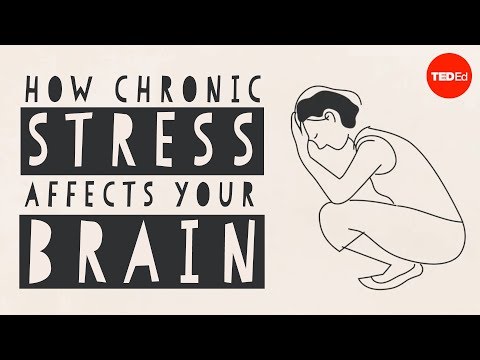
So, you know that feeling when your brain just won’t shut up? Yeah, overthinking is a real thing. It’s like your mind is running a never-ending loop of “What ifs” and “I shoulda saids.”
This blog provides content for informational, educational, and reflective purposes only. The information published here does not constitute medical, psychological, or psychiatric advice, and it does not replace the evaluation, diagnosis, treatment, or individualized guidance of a properly licensed professional. If you believe you may be experiencing a psychological or health-related issue, consult a qualified professional as soon as possible before making important decisions about your well-being. Do not self-medicate or start, stop, or change medications, therapies, or treatments on your own. While we aim to provide useful and accurate information, we do not guarantee that it is complete, current, or suitable for every situation. Your use of this content is at your own risk, and reading it does not create a professional, clinical, or therapeutic relationship with the author or this website.
Seriously, it can be exhausting. I remember nights lying in bed, replaying every awkward conversation I’d had that week. Like, why do we do this to ourselves?
Overthinking can mess with our mental health in ways we don’t even realize. It’s more than just being a little anxious. It can turn into a spiral that feels impossible to escape.
But here’s the kicker: you’re not alone in this. Lots of folks struggle with it too. So let’s chat about what overthinking really is and how it affects us. You with me?
Understanding the Impact of Overthinking on Your Body: Mental Health Insights
Overthinking, or as some folks call it, the «what if» spiral, can seriously mess with your mental and physical well-being. It’s like when you can’t stop replaying a conversation in your head or imagining every possible outcome of a situation. You know that feeling when you lie in bed, and your brain just won’t shut off? Yeah, that’s overthinking.
When you overthink a lot, it doesn’t just live in your head; it actually starts affecting your body too. Here’s how:
1. Increased Stress Levels: Overthinking often leads to heightened stress. Your body releases stress hormones like cortisol, which can make you feel anxious. It’s almost like your body is on high alert all the time.
2. Physical Symptoms: You might experience headaches, tension in your muscles, or even stomach issues. Seriously! I once had a friend who would get these horrible migraines every time she stressed about work projects that were months away.
3. Sleep Disturbances: If you’re tossing and turning at night because your brain’s running through scenarios from 10 years ago or worrying about tomorrow’s meeting – that’s classic overthinking. Not getting enough sleep messes with everything: mood, energy levels…you name it!
4. Fatigue and Burnout: Constantly thinking way too much drains you physically and mentally. It can lead to feelings of tiredness that make even the simplest tasks feel daunting.
5. Impact on Relationships: When you’re lost in overthought mode, you might push people away without even realizing it. Imagine trying to explain to a friend why you’re upset over something they said weeks ago—they might not even remember!
So how can we tackle this overwhelming cycle? Well, mindfulness practices like meditation can be helpful, focusing on the present rather than getting wrapped up in “what ifs.” And talking it out with someone—a friend or a therapist—can shed light on what seems so complicated inside your head.
Look, it’s important to recognize when you’re stuck in that thought loop because it’s not just “being deep” or “thoughtful”—it’s taking a toll on your health! The thing is, learning to manage overthinking doesn’t happen overnight; it takes practice and patience like any skill worth having.
Understanding the Impact of Overthinking on Brain Health: Causes, Effects, and Solutions
Overthinking is one of those things we all do, right? It’s like your brain gets stuck in a loop, replaying every detail of a conversation or decision. You know, like when you can’t stop thinking about that awkward moment at a party. But seriously, what’s going on in your head when you’re overthinking? Let’s break it down.
Causes of Overthinking
There are many reasons you might find yourself overthinking. Stress is a biggie. If you’re dealing with anxiety, everyday worries can spiral out of control. Maybe you’re also trying to make an important decision and can’t figure out the best path forward. Or perhaps there’s pressure from work or relationships that weighs heavily on your mind.
Sometimes, it’s about how we’re wired. People who have perfectionist tendencies often find themselves overanalyzing their choices because they want everything to be “just right.” It’s exhausting, honestly!
The Effects on Brain Health
Now let’s talk about how this constant mental chatter impacts your brain health. Overthinking can lead to what feels like mental fog. You might struggle with focus and memory because your brain is so busy processing all those thoughts.
Research shows that chronic overthinking can actually increase levels of stress hormones like cortisol in the body. High levels of these hormones might contribute to feelings of anxiety and could even affect sleep quality—a double whammy for your mental well-being!
You may recall that time when you couldn’t sleep because your mind wouldn’t shut off? That’s the kind of thing we’re talking about here.
Long-term Effects
If this becomes a habit, it can set up camp and lead to more serious issues like depression or generalized anxiety disorder (GAD). That feeling of being stuck also makes it difficult to enjoy life as much as you’d like, leaving you feeling drained and overwhelmed.
Over time, constant overthinking may wear down your mental resilience too—making it harder to bounce back from tough times or challenges.
Solutions to Overthinking
So what can you do about it? First off, recognizing when you’re lost in thought is key. Try keeping a journal where you jot down what’s bothering you—sometimes just getting those thoughts out helps clear your head.
Mindfulness techniques can be super helpful as well. Things like meditation or deep-breathing exercises encourage grounding yourself in the present moment instead of ruminating on past mistakes or future worries.
Also, don’t shy away from talking things through with someone—a friend or therapist can help provide a fresh perspective. Sharing what you’re feeling often lightens the load and helps tackle those nagging thoughts with clarity.
Remember: it’s not about eliminating all thoughts but learning how to manage them better. Overcoming overthinking is definitely a journey, and every step counts! So next time you’re caught in that spiral, give yourself a break—you’ve got this!
Is Overthinking a Hidden Indicator of Depression? Understanding the Connection
Overthinking, you know? It’s that annoying spiral of thoughts that can keep you up at night. It’s like your brain’s on a rollercoaster that won’t stop. And while it might seem like just a quirky habit, it could be hiding something bigger—like depression. Let’s break down this connection.
First off, what is overthinking? It’s when your mind keeps circling around the same thoughts without finding a way out. You start analyzing situations, and before you know it, you’re in the depths of self-doubt and worry. This cognitive loop can be exhausting.
Now, how does this relate to depression? Well, overthinking often goes hand in hand with negative thinking patterns. If you’re dealing with depression, your brain might amplify feelings of hopelessness or guilt. So instead of moving forward, you get stuck replaying these heavy emotions over and over again.
Here are some signs that might link overthinking to depression:
So basically, overthinking isn’t just an annoying habit—it’s like a red flag waving about potential depression.
Take Sarah’s story for example. She used to constantly replay her conversations in her head after every outing with friends. At first, she thought it was just part of being detail-oriented. But soon enough, she started feeling drained and isolated because her mind wouldn’t let go of any perceived faux pas. Eventually, Sarah realized these thoughts were linked to deeper feelings of sadness she hadn’t fully acknowledged.
It’s important to remember that not everyone who thinks too much is depressed—context matters here! Sometimes stress from work or personal life can lead to temporary overthinking too.
If you notice yourself—or someone you care about—caught in this cycle frequently, reaching out for support might be a good idea. Talking to someone who gets it can really help break those patterns.
Ultimately, the dance between overthinking and depression isn’t straightforward; it’s more like a tangled web where one pulls on the other. The key takeaway? Recognizing when you’re caught in this cycle is crucial for getting back on track with your mental health journey.
Overthinking, oh man. It’s like that annoying friend who just won’t let you enjoy the party. You know, the one who keeps bringing up past mistakes or what-ifs? I mean, we all do it sometimes, right? But for some people, it turns into this heavy cloud that hangs over them. Honestly, I’ve been there—staying up way too late replaying conversations or coming up with all these scenarios about how something might go wrong. It really takes a toll on your mental health.
So what’s going on inside our heads when we overthink? Well, at its core, it’s often fueled by anxiety. When you’re anxious about something—like a big presentation or a relationship—you can start to spiral into this loop of second-guessing everything you’ve done or said. You start to think every little detail might have dire consequences. It’s exhausting! This kind of thinking can actually make it hard for you to sleep or focus on stuff that really matters.
You know that feeling when your mind is like an internet browser with 50 tabs open? Yeah, that’s what overthinking feels like. Sometimes it can even cause physical symptoms like headaches or stomach issues because your brain is working overtime!
I remember talking to a friend who was stuck in this cycle about their job. They kept worrying about what their boss thought of them and ended up imagining every possible negative outcome: getting fired, being humiliated in front of coworkers—you name it. It wasn’t just affecting their work; they were becoming distant with friends and family too because they felt so stressed out all the time.
And here’s the kicker: overthinking doesn’t just affect your mood; it can make you feel isolated and lonely as well because you’re caught up in your own head instead of connecting with others. It’s like building walls around yourself when all you need is someone to talk to.
Breaking free from the overthinking trap isn’t easy, though. It takes practice and sometimes even professional help—like therapy—to learn how to redirect those runaway thoughts. Mindfulness exercises or journaling can also help slow things down a bit.
So yeah, next time your mind starts racing down those rabbit holes of “what ifs,” remember that it’s totally okay to hit pause and take a breath. You’re not alone in this!