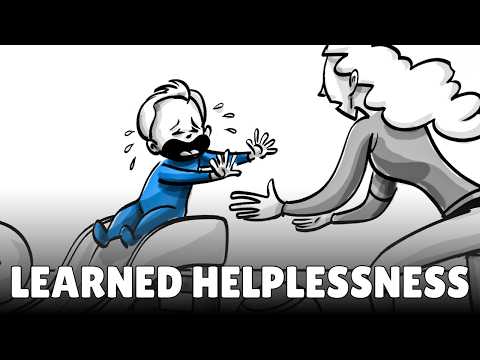
You know that feeling when you just can’t seem to catch a break? Like no matter how hard you try, things just don’t change? That’s kinda what learned helplessness is all about.
This blog provides content for informational, educational, and reflective purposes only. The information published here does not constitute medical, psychological, or psychiatric advice, and it does not replace the evaluation, diagnosis, treatment, or individualized guidance of a properly licensed professional. If you believe you may be experiencing a psychological or health-related issue, consult a qualified professional as soon as possible before making important decisions about your well-being. Do not self-medicate or start, stop, or change medications, therapies, or treatments on your own. While we aim to provide useful and accurate information, we do not guarantee that it is complete, current, or suitable for every situation. Your use of this content is at your own risk, and reading it does not create a professional, clinical, or therapeutic relationship with the author or this website.
It’s wild. You put in the effort, but it feels like you’re stuck in this never-ending cycle of frustration. It’s almost like your brain tells you, “What’s the point?” And honestly, that’s a tough place to be.
Seriously, we’ve all been there at some point or another. Whether it’s in a job that feels impossible or a relationship that just isn’t working out, recognizing this pattern is super important.
So let’s chat about what learned helplessness really means and how it might be affecting you or someone you care about. It might surprise you how deep this rabbit hole goes!
Understanding Learned Helplessness: The Psychological Impact and Its Effects on Mental Health
Understanding Learned Helplessness is about recognizing how feeling powerless in certain situations can mess with your mental health. So, what’s the deal with it? Basically, learned helplessness happens when someone believes they have no control over a situation, even when they actually do. It’s like being stuck in a cage and thinking you can never step out, even if the door is wide open.
When you experience this, it can seriously impact your emotions and behaviors. Imagine a student who fails a few tests; they might start thinking they’re just not smart enough to succeed. They stop studying because they’ve convinced themselves that nothing will change anyway. It’s not just about failing grades; it can lead to feelings of depression and anxiety.
The Psychological Impact of learned helplessness can be pretty broad. You might feel sad or anxious all the time, lose interest in activities you once loved, or even experience physical symptoms like headaches or stomach issues. When you think nothing you do makes a difference, why bother trying? This cycle of negativity can really hold you back from living your best life.
- Emotional Toll: Feelings of hopelessness can make you feel drained and overwhelmed.
- Avoidance Behavior: You might avoid challenges altogether because you don’t believe you’ll be able to handle them.
- Social Isolation: This sense of helplessness may push you away from friends or family because you feel like a burden.
So yeah, learned helplessness doesn’t just affect how you see yourself; it ripples into every part of your life. Think about someone who’s been through tough situations—like losing a job or experiencing trauma—they might end up feeling stuck in that mindset.
Effects on Mental Health are real and serious if left unchecked. Over time, this mindset can lead to chronic stress and greater mental health issues such as depression or anxiety disorders. The thing is, when you’re in that spiral of feeling helpless, it’s tough to break away. It becomes this exhausting cycle where despair seems permanent.
But here’s the silver lining: understanding this concept is often the first step toward change. Therapies like cognitive-behavioral therapy (CBT) focus on rewiring those negative thoughts and beliefs—kind of like decluttering your mind! When clients learn that they *can* control certain aspects of their lives—like starting new hobbies or pursuing different career paths—they start seeing light at the end of the tunnel.
In short, learning about learned helplessness is super important for anyone who feels trapped by circumstances beyond their control. Recognizing those thoughts isn’t easy but it’s totally doable with some support and effort over time!
Understanding Learned Helplessness: The Psychology and Its Impact on the Brain
Understanding learned helplessness can be a real eye-opener. So, what exactly is it? Well, it’s that feeling you get when you think you have no control over your situation. You know, like when you’re stuck in a tough spot and after trying everything, you just give up. It all started with some experiments back in the day that showed dogs receiving electric shocks would eventually stop trying to escape, even when they could. Crazy, right?
Learned helplessness basically happens when someone consistently faces negative outcomes despite their efforts. Over time, they learn to expect failure. This mindset can lead to feelings of powerlessness and a lack of motivation. You might even see it in people who struggle with depression or anxiety.
So how does this affect your brain? Well, researchers have found that experiencing learned helplessness alters neural pathways. The brain gets wired differently—like connecting the dots but in a way that makes it harder to find solutions later on. Parts of the brain responsible for decision-making and emotion regulation can become less active.
You might be thinking about how this shows up in real life. Picture someone who constantly tries out for jobs but never gets called back. After a few rejections, they start to believe they won’t ever get hired—so they stop applying altogether. It’s as if their brain has hit the pause button on all hope.
Now let’s dive deeper into the specifics of how this affects your life.
- Mental Health Issues: Learned helplessness is often linked to conditions like depression and anxiety disorders.
- Behavioral Changes: People may withdraw from social situations or stop pursuing goals.
- Coping Mechanisms: Instead of building resilience, individuals might develop maladaptive coping mechanisms, like substance abuse.
The impact doesn’t just stop at mental health; it spills over into everyday activities too! For example, imagine someone who’s always had setbacks when trying new things—like sports or hobbies. They may start avoiding them altogether because they’ve convinced themselves it’s pointless.
But wait, there’s good news! Just because someone feels trapped doesn’t mean they’re stuck forever. With therapy or positive experiences—where success is achieved even on a small scale—it’s possible to unlearn that sense of helplessness.
Therapists often focus on changing thought patterns and building coping skills through approaches like cognitive-behavioral therapy (CBT). This helps people challenge negative beliefs and rebuild confidence.
So yeah, understanding learned helplessness gives us insight into why we sometimes feel so defeated by our circumstances. With awareness and support, though, it’s totally possible to break free from those chains and regain control over our lives!
Understanding Learned Helplessness: Real-Life Examples and Insights
Understanding Learned Helplessness can feel a bit tricky at first, but let’s break it down. Imagine you’re trying to solve a puzzle. You work really hard, but no matter what you do, the pieces don’t fit. After a while, you might just give up and think, “What’s the point?” This is kind of what learned helplessness is all about.
It happens when someone feels powerless in their situation. They’ve tried to change things before but ended up feeling stuck anyway. Basically, they start believing that no matter how hard they try, nothing will get better. This belief can seep into all areas of life—school, work, or even relationships.
You know that feeling when you just can’t seem to catch a break? Like when every time you study for a test and it still doesn’t go well? Or maybe you keep applying for jobs and don’t get any interviews? Eventually, the frustration builds up and you might start thinking that change is impossible.
Real-Life Examples really help illustrate this concept:
- A student who fails multiple classes despite studying hard might think they’re just not smart enough. Over time, they may stop trying altogether.
- A person in an abusive relationship might feel trapped after countless attempts to leave end in failure. They might come to believe there’s no way out.
Each of these examples represents learned helplessness in action. The thing is, it can lead to issues like depression and anxiety because the person feels like giving up on everything.
The interesting part? Learned helplessness isn’t just about feeling sad or defeated; it’s also about how we view our ability to influence our lives. When you’re stuck in that mindset, your motivation seriously plummets. You start avoiding challenges altogether since you’re convinced that failure is right around the corner.
Now let’s touch on some insights about breaking free from this pattern:
- Awareness: Recognizing those feelings of powerlessness is the first step toward change.
- Small Wins: Sometimes tackling small challenges can help rebuild your confidence.
- Support Systems: Talking with friends or professionals helps create new perspectives on what’s possible.
If you find yourself feeling hopeless about something specific (or even everything), reach out for help. Seriously! Sometimes all it takes is someone else reminding us of our strengths and potential for growth.
So, let’s chat about learned helplessness. You know, that feeling where you think, “Why bother trying?” It kind of creeps in when people repeatedly face situations where they feel powerless. I remember a friend of mine, Sarah—she was always super optimistic but hit a rough patch at work. No matter how hard she tried, her ideas kept getting shot down. After a while, she just stopped speaking up altogether. It was heartbreaking to see someone so vibrant shrink back into silence.
Learned helplessness is all about that experience of feeling stuck. When people face repeated failures or negative outcomes despite their efforts, they can start to believe they can’t change anything—in other words, their actions don’t matter. The thing is, this belief can seep into different parts of life. So if you think you’ll never get ahead in your career, you might not even try to improve your situation at home or in your relationships either.
You might wonder why it hits some people harder than others. Well, personality traits play a role. Some folks are more resilient and bounce back quickly from tough situations; others? Not so much. And it’s not just about them either; the environment matters too! If someone’s surrounded by negativity or constant criticism—yikes!—it can reinforce that sense of helplessness.
The effects go beyond just feeling low; it impacts mental health big time. Anxiety and depression often tag along for the ride when someone feels trapped like this. Looking at Sarah again: once she accepted defeat at work, her confidence took a nosedive everywhere else too.
But here’s where it gets interesting: understanding learned helplessness can pave the way for change! Therapy approaches like cognitive-behavioral therapy (CBT) focus on reshaping those beliefs and encouraging action again—taking baby steps towards regaining control over one’s life.
So yeah, the journey from feeling helpless to empowered isn’t easy—but recognizing that pattern is the first step toward breaking free from it all and finding your voice again!