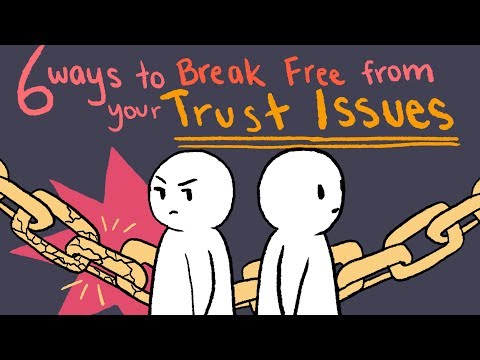
Trust issues in relationships? Ugh, yeah, that’s a real thing. It can be such a heavy weight to carry, you know?
This blog provides content for informational, educational, and reflective purposes only. The information published here does not constitute medical, psychological, or psychiatric advice, and it does not replace the evaluation, diagnosis, treatment, or individualized guidance of a properly licensed professional. If you believe you may be experiencing a psychological or health-related issue, consult a qualified professional as soon as possible before making important decisions about your well-being. Do not self-medicate or start, stop, or change medications, therapies, or treatments on your own. While we aim to provide useful and accurate information, we do not guarantee that it is complete, current, or suitable for every situation. Your use of this content is at your own risk, and reading it does not create a professional, clinical, or therapeutic relationship with the author or this website.
Like, you might find yourself questioning everything your partner says or does. It’s exhausting! I mean, who wants to spend their nights wondering if they’re being honest or if there’s something shady going on?
Let’s face it: trust is super important. Without it, things can get messy fast. Relationships should feel safe and secure, not like some kind of high-stakes drama.
But hey, you’re not alone in this. Many of us have been there. So let’s chat about trust issues—what they are and how we can deal with them together.
Overcoming Trust Issues and Insecurities: A Guide to Building Healthier Relationships
Building trust in relationships can feel like climbing a mountain, especially if you’re carrying the weight of past hurts and insecurities. That said, you can absolutely tackle these issues and create something beautiful with someone special. So, let’s break it down.
First off, **acknowledging your feelings** is crucial. If trust issues have been around for a while, they probably come packed with emotions—fear, anxiety, or even loneliness. Recognizing these feelings is like turning on the lights in a dark room; it helps you see what you’re dealing with.
Next, it’s important to communicate. Talk to your partner about your insecurities. This doesn’t mean launching into an emotional monologue; it can be as simple as saying, “Hey, sometimes I feel insecure when you don’t respond to my texts quickly.” This opens up a dialogue without sounding accusatory.
Now let’s chat about **boundaries**. Healthy relationships thrive on them. Boundaries protect your emotions and also show your partner where you stand. For example, if having alone time helps recharge your battery, share that with your partner so they understand when you need space.
Also, vulnerability is key here. Sharing personal stories or experiences from the past can help you both connect on a deeper level. You might reveal why certain things trigger insecurity for you—like an ex who cheated or even childhood experiences that made trust hard to build.
Another aspect is **consistency in actions**.
Trust is built over time through reliable behavior. If your partner says they’ll call at 8 p.m., and they do it consistently? That builds trust! It’s those small gestures that add up and make a difference.
And hey—don’t forget the power of self-reflection! Often we carry baggage that isn’t tied directly to our current relationship but instead relates back to previous experiences. Journaling or even talking to someone can really help untangle those thoughts.
Lastly, consider seeking professional help if things feel overwhelming. A therapist can provide tools and strategies tailored just for you—like Cognitive Behavioral Therapy (CBT) techniques which focus on shifting negative thought patterns.
In short:
- Acknowledge Your Feelings: Recognize emotions tied to trust issues.
- Communicate Openly: Share insecurities without blame.
- Set Boundaries: Define personal limits for emotional safety.
- Be Vulnerable: Share personal stories to deepen connection.
- Seek Consistency: Build trust through reliable actions.
- Self-Reflection: Address past baggage impacting current relationships.
- Consider Professional Help: Gain insight from a therapist if needed.
Building healthier relationships takes time but remember—you’re not alone in this journey! Many have walked this path before and found brighter days ahead by addressing their trust issues head-on. Keep pushing forward—you got this!
10 Clear Signs of Trust Issues in Your Relationship and How to Address Them
Trust issues in a relationship can really put a damper on what could be a great connection. Seriously, trust is like the glue holding everything together. But sometimes, it gets a little sticky. If you’re wondering whether you or your partner might have some trust issues, here are 10 clear signs to watch out for.
1. Constant Doubts – If you’re always questioning your partner’s intentions or feel suspicious about what they say, that’s a big red flag. You might catch yourself thinking things like “Are they really where they say they are?” or “What are they hiding?”
2. Jealousy Spikes – Feeling jealous every now and then is normal, but if it’s happening all the time over minor things, that’s not cool. You might find yourself getting worked up over your partner talking to someone else—like that cute barista at the coffee shop.
3. Overanalyzing Everything – This one can seriously drive you crazy. If you’re dissecting every little text message or conversation for hidden meanings, it could point to trust issues. So maybe your partner wrote “I’ll be late” but you start imagining wild scenarios about who they’re with.
4. Avoiding Vulnerability – Trust issues often make people put walls up. If you notice yourself or your partner hesitating to share feelings or fears, that’s a sign something isn’t right. Vulnerability is kind of scary but also super necessary for connection.
5. Checking Phone Activity – Seriously? If you’re checking their texts or social media without them knowing, it’s not okay! Trust should mean feeling secure enough without having to snoop around.
6. Past Hurts Resurfacing – If old wounds from previous relationships keep popping up and affecting how you feel now—like comparing your partner to an ex—it’s time to take a step back and address those feelings.
7. Need for Reassurance – Do you often ask your partner if they love you? Like, constantly needing that verbal confirmation can be tiring for both of you and shows there may be deeper trust issues lurking beneath the surface.
8. Fear of Abandonment – This one’s tough. If you’re always anxious about being left alone or feel an overwhelming fear anytime there’s silence in the relationship, it’s likely linked to mistrust in some way.
9. Manipulation Tactics – Using guilt trips or emotional games as a way of keeping hold on someone is unhealthy and stems from trust issues too! These tactics indicate deeper insecurities that need attention.
10. Avoidance of Commitment – If either one of you feels scared at the thought of taking things to the next level because of previous betrayals or fears of being hurt again, then those trust problems need some serious unpacking!
The thing is, recognizing these signs is just the first step; addressing them is where real growth happens! Communication is key here—talk things out openly with each other; honesty helps break down those walls! Try setting aside time regularly just to check in on how each other feels; this can really help create an atmosphere of openness.
If needed, consider seeking support from therapists who specialize in relationships; sometimes having that outside perspective can work wonders in rebuilding trust! Remember—trust doesn’t happen overnight; it takes work and patience from both sides!
Overcoming Trust Issues in Relationships: Insights and Advice from Reddit
Trust issues in relationships, well, they can feel like this huge elephant in the room, you know? They often stem from past experiences—like that time someone ghosted you or maybe discovered that your ex was not exactly loyal. Whatever it is, when trust gets shaken, it can create this wall between you and your partner.
Open Communication is crucial. Seriously, talking about your feelings might seem hard at first, but sharing what’s on your mind can lighten the load. Imagine telling your partner about a moment that made you feel uneasy instead of bottling it up. It’s like taking down a brick from that wall.
- Be Honest: If something bothers you, let them know. You might say something like, «Hey, when you don’t reply quickly to texts, I start feeling anxious.» Honesty opens the door for understanding.
- Active Listening: When they share their thoughts too, really listen. You might think you know what they’re going to say but actively engaging with their words helps build connection.
Another thing is self-awareness. Recognizing your own triggers makes a world of difference. A friend of mine used to get jealous over his girlfriend’s guy friends, not because he didn’t trust her but because his last relationship had ended badly due to betrayal. Once he realized where those feelings came from—he could talk it out with her instead of letting it simmer.
Breathe & Reflect. When those trust issues bubble up, take a moment for yourself. It’s okay to pause and sort through your emotions before reacting. Taking deep breaths can sometimes clear that foggy thinking and help prevent unnecessary arguments.
- Practice Mindfulness: Techniques like meditation or journaling can be super helpful too. Write down what scares you about trusting others or what makes you feel secure in a relationship.
- Acknowledge Your Partner’s Efforts: If they do something right—even just being dependable—tell them! Compliments help reinforce positive behavior and build trust over time.
If you’ve been hurt before—and let’s be real; who hasn’t?—it might also help to seek professional support. Sometimes having an outside perspective—a therapist or counselor—can give clarity and coping strategies tailored specifically for you. A therapist once told me: “Healing isn’t linear.” And that’s true! There will be ups and downs as you work through stuff together.
You know what else? It’s okay to take baby steps in rebuilding trust! Maybe set small goals like checking in more often throughout the day or being open about daily experiences. Building something solid takes time; nobody rushes into building a house without laying down a good foundation first!
Your relationship could benefit hugely from patience and consistent effort. Remember to celebrate progress along the way—even if it’s little! That kind of encouragement keeps both partners motivated toward growth together.
The road may be bumpy for sure; overcoming trust issues isn’t easy—it takes both partners working together with transparency and vulnerability. But in the end? The payoff is usually worth all that hard work!
Trust issues in romantic relationships can be such a heavy burden, right? You might think you’re being rational, but then there’s that nagging feeling in your gut, like something’s off. It’s one of those things that can creep in slowly, like a shadow—maybe stemming from past heartbreak or even just some little misunderstandings.
I remember this one time when my friend Sarah started dating someone new. She was super excited at first. But then, she began to dig through his social media and insisted he was too friendly with every girl he followed. It wasn’t just curiosity; it was more like the fear of being hurt again that pushed her to obsess over tiny details. And you know what? That kind of suspicion made her all tense and distant when they were together. It’s heartbreaking to watch someone sabotage what could truly be something beautiful.
So, what’s at the core of these trust issues? Well, often it’s tied to vulnerability. Allowing yourself to be open with someone is scary! You risk getting hurt or rejected again. But here’s the thing: if you stay closed off forever, you miss out on genuine connections. Sometimes you really need to take that leap of faith and let yourself believe that this new person isn’t going to turn into a ghost or betray your trust.
Open communication can do wonders too! Seriously; talking things out helps clear the air. When your partner knows what’s bubbling under the surface for you, they can reassure you or maybe even adjust their behavior without you having to play detective! Trust is built through consistent actions and honesty—you might feel silly during those conversations at first, but it’s worth it.
And don’t be too hard on yourself if trust doesn’t come easy; it takes time to heal old wounds and build something new from scratch. Give yourself permission to feel those feelings without letting them control your relationship completely. You’re not alone in this struggle; lots of people are navigating similar waters.
By working on trust—together—you can create a stronger bond instead of letting past baggage dictate your present. So breathe a little easier because relationships should feel like homebase, not battle ground!