You know, rebuilding trust after dealing with someone who’s narcissistic can feel like a mountain to climb. It’s tough, really tough.
This blog provides content for informational, educational, and reflective purposes only. The information published here does not constitute medical, psychological, or psychiatric advice, and it does not replace the evaluation, diagnosis, treatment, or individualized guidance of a properly licensed professional. If you believe you may be experiencing a psychological or health-related issue, consult a qualified professional as soon as possible before making important decisions about your well-being. Do not self-medicate or start, stop, or change medications, therapies, or treatments on your own. While we aim to provide useful and accurate information, we do not guarantee that it is complete, current, or suitable for every situation. Your use of this content is at your own risk, and reading it does not create a professional, clinical, or therapeutic relationship with the author or this website.
Think about it. You’ve been through emotional rollercoasters. Questions swirl in your mind: “Am I good enough?” “Is this even real?” It’s totally exhausting.
But here’s the thing: you’re not alone in this journey. A lot of people are finding their way back to trust, piece by piece.
Therapy can be like that first ray of sunshine after a stormy night. It offers hope and healing when everything feels heavy.
So let’s chat about what happens when you decide to take this path and how therapy can help you rebuild that trust—slowly but surely.
Rebuilding Trust: A Guide to Overcoming Narcissistic Abuse and Healing Your Heart
Rebuilding trust after experiencing narcissistic abuse can feel like climbing a mountain. Seriously, it’s tough. But you’re not alone; many have walked this path and come out stronger. Let’s break it down, shall we?
First, what is narcissistic abuse? It’s when someone with narcissistic traits manipulates or controls you emotionally or psychologically. You might feel confused, belittled, or like you’re constantly walking on eggshells. It’s deeply painful and leaves scars.
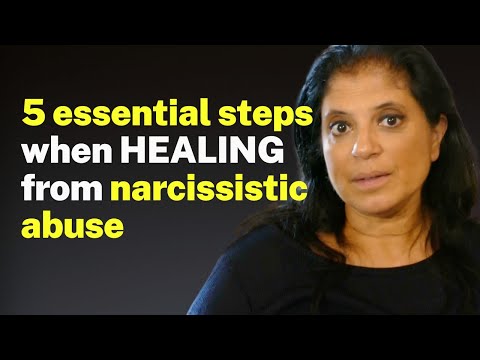
When you’re in therapy after such an experience, the goal is to **rebuild that trust**—not just with others but also with yourself. Here are some key steps on this journey:
1. Acknowledge Your Feelings
Your emotions are valid! You might feel anger, sadness, or even relief that it’s over. It’s like a rollercoaster ride where every twist and turn brings up different stuff you didn’t know was there.
2. Understand What Happened
It’s crucial to learn about narcissism to understand your experience better. Knowing that their behavior often stems from their own issues can help put some distance between you and the past.
3. Reclaim Your Identity
After being through the wringer, you might have lost sight of who you are. Start doing things that make you happy again, whether it’s painting, hiking, or just binge-watching your favorite show guilt-free.
4. Set Boundaries
You gotta protect yourself! Learning to say “no” when something feels off isn’t selfish; it’s self-care. Establishing boundaries helps rebuild trust in yourself.
5. Build a Support Network
Surround yourself with people who lift you up! Friends who understand what you’ve been through can make a world of difference.
Therapy can be a safe space to work through all of this too—just having someone listen can lighten the load immensely.
And here’s another important part: Practice Self-Compassion. It might seem awkward at first—like saying nice things to yourself feels strange—but be gentle with yourself during this healing process.
As time goes on and with the right support, you’ll find those layers of trust getting stronger little by little. It may feel daunting now but remember that healing isn’t linear; some days will be harder than others.
In short? Trust takes time and patience—a lot of both! Stay hopeful and keep moving forward at your own pace; it’ll get better before you know it!
Understanding Fearful Avoidant Attachment: Healing After Narcissistic Abuse
Fearful avoidant attachment can feel like a rollercoaster, especially if you’ve been through something tough, like narcissistic abuse. You might find yourself caught between wanting closeness and feeling terrified of it. It’s a confusing place to be.
When you’ve been hurt, especially by someone who was supposed to care for you, it’s hard to trust again. You might think you’re ready for a new relationship until you start feeling that old anxiety creeping back in—like your heart’s racing just thinking about getting close to someone. It’s not just you; it’s a pretty common response.
So, what exactly is fearful avoidant attachment? Well, it’s when your need for intimacy clashes with the fear of being hurt again. It’s as if you’re saying, “I want love but get scared of how it could go wrong.” It often stems from childhood experiences or earlier relationships where trust was broken or safety was compromised.
Healing from this can be tricky but not impossible. Here are some key things to consider:
- Recognize your feelings: Understanding that your fears are valid helps you sort through the chaos in your head.
- Communicate: If you’re in therapy or talking with someone about your experiences, let them know what you’re feeling.
- Set boundaries: Learn what feels safe for you and communicate that in relationships.
- Practice self-compassion: Be gentle with yourself as you navigate these feelings; healing takes time.
Like, I remember a friend who got out of a toxic relationship. At first, every time she met someone new, she’d freeze up at the thought of letting them in. Through therapy, she learned to communicate her fears instead of hiding them. Eventually, she found partners who respected her boundaries and allowed her to feel safe—and slowly rebuilt her ability to trust.
Trusting others again is like learning how to ride a bike after falling off. You have to take it slow and maybe fall a few more times before it clicks again. Therapy can help guide you through this process—helping you confront those old triggers while teaching new ways of connecting without fear.
Finding the right therapist can also make all the difference here. Look for someone who’s experienced with trauma and attachment issues because they’ll understand where you’re coming from.
And remember—it takes time! Rebuilding trust after narcissistic abuse isn’t about rushing into things; it’s about taking small steps forward at your own pace while acknowledging when things feel overwhelming.
So yeah, healing after being hurt might seem daunting at times but confront those fears head on—there’s light on the other side waiting for you!
10 Empowering Signs You’re Healing from Narcissistic Abuse and Reclaiming Your Life
Healing from narcissistic abuse is a journey, no doubt. It can feel like you’re wrestling with shadows from the past while trying to step into the sunlight of your future. But if you’re noticing signs that you’re reclaiming your life, that’s truly something to celebrate! Here are some empowering signs that signify your healing process.
You Set Boundaries
One of the most significant changes is the way you establish boundaries now. Remember how hard it was to say “no” before? Now, when someone oversteps, you speak up. It’s not just about protecting yourself; it’s about recognizing that your needs matter.
You Start Trusting Yourself
After narcissistic abuse, you might have felt uncertain and second-guessed every decision. But if you find yourself leaning into your instincts again—like choosing friends who uplift rather than drain—you’ve taken a powerful step forward.
Your Feelings Matter
There was a time when your emotions might’ve been dismissed as silly or invalid. But now? You recognize that what you feel is important! Whether you’re happy, sad, or confused, owning those feelings shows you’re on a healthier path.
You Seek Support
Engaging with therapy or support groups indicates growth too. Maybe reaching out felt impossible in the past. Now, seeking connection with those who understand adds layers to your healing narrative.
You Embrace Self-Care
This isn’t just about bubble baths and face masks; it’s deeper than that! If you’re prioritizing activities that nourish your spirit—whether it’s reading, exercising, or simply resting—you’re nurturing yourself like never before.
You Can Apologize
Sounds weird? Hear me out. A genuine apology means you’ve moved away from blame-no more playing games to escape responsibility. You recognize mistakes without spiraling into self-hate—that’s growth!
Your Relationships Improve
When you begin attracting healthier relationships, take note! Connections filled with mutual respect and understanding indicate your emotional health has shifted dramatically for the better.
You Reflect Constructively
Instead of being stuck in a cycle of regret or self-blame for past experiences, you’re able to reflect thoughtfully on what happened without letting it define who you are now. That perspective shift can be quite freeing!
You Feel Empowered
Feeling empowered doesn’t mean everything is perfect; it’s knowing you’ve got choices now and can control aspects of your life again. It could be as simple as making decisions without fear of judgment.
Your Future Looks Bright
You start dreaming about what comes next instead of being haunted by what went wrong before. Excitement for the future—or even just some curiosity about what lies ahead—is a beautiful sign that healing has taken root.
Recognizing these signs in yourself can be incredibly affirming! Healing isn’t linear; it’s messy and complex—but those moments when light breaks through are worth cherishing on this journey back to feeling whole again.
Rebuilding trust after experiencing narcissistic abuse is a heavy topic, you know? It’s like, when someone has manipulated your sense of reality for so long, how do you even start to believe in people again? I mean, think about it. Imagine someone who’s been in a relationship where every word seemed like a trap and every compliment had a hidden sting. That leaves serious scars.
I once met someone who went through something similar. She’d been with this guy who could charm the socks off anyone but behind closed doors, he was like this black hole of neediness and criticism. After they parted ways, she decided to go to therapy to work through the wreckage. But walking into that therapist’s office was tough! It felt like stepping into a lion’s den after being mauled by one.
In therapy, rebuilding trust isn’t just about believing your therapist; it’s also about learning how to trust yourself again. Like, when you’ve been gaslighted — that mind-bending tactic narcissists use to make you question your own thoughts — the first step is recognizing that your feelings are valid. You really have to dig deep and confront the messages you’ve internalized.
Trust takes time and vulnerability. It’s like peeling layers off an onion; each layer reveals more pain but also more strength. A good therapist can help you navigate through these layers gently but firmly while creating a safe space where you can express doubts and fears without judgment.
Setting boundaries becomes crucial too! You learn what feels right for you and what doesn’t—a powerful shift for anyone who’s felt controlled or minimized before. It’s almost liberating when you finally start saying no without feeling guilty.
But honestly? There will be setbacks along the way; that’s part of healing. Some days will feel heavy with anxiety or distrust creeping back in, and that’s okay! It doesn’t mean you’re failing or that therapy isn’t working; it’s just part of the process.
Ultimately, rebuilding trust is like learning to dance again after stepping on toes for so long—you might stumble at first but eventually find your rhythm back with practice and patience. The journey might be bumpy, but each step forward is yours to claim as a victory!