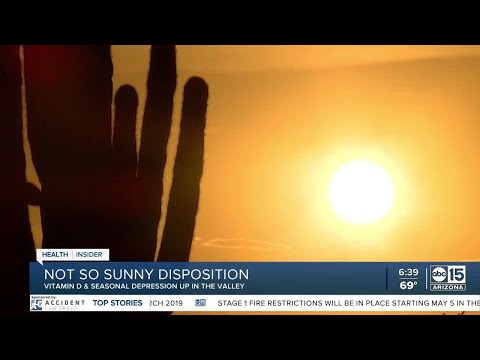
You know those gray, dreary winter days? They can really get you down. Like, seriously down.
This blog provides content for informational, educational, and reflective purposes only. The information published here does not constitute medical, psychological, or psychiatric advice, and it does not replace the evaluation, diagnosis, treatment, or individualized guidance of a properly licensed professional. If you believe you may be experiencing a psychological or health-related issue, consult a qualified professional as soon as possible before making important decisions about your well-being. Do not self-medicate or start, stop, or change medications, therapies, or treatments on your own. While we aim to provide useful and accurate information, we do not guarantee that it is complete, current, or suitable for every situation. Your use of this content is at your own risk, and reading it does not create a professional, clinical, or therapeutic relationship with the author or this website.
Some folks feel it even more—seasonal depression, or seasonal affective disorder (SAD), hits hard when the days get shorter.
But here’s a little secret: vitamin D might just be your unexpected buddy in this battle.
Yeah, that’s right! It’s not just about strong bones; this sunshine vitamin can lift your mood too.
Let’s chat about how soaking up some rays—or at least getting enough of that D—could help brighten those gloomy months.
Exploring the Connection: How Vitamin D Boosts Mood and Alleviates Depression
So, let’s chat about vitamin D and its connection to our mood, especially when that dreary winter funk rolls around. You know the feeling: shorter days, less sunlight, maybe you’re dragging a bit more than usual. That’s where vitamin D comes in—like a little ray of sunshine for your mental health.
Vitamin D and Mood Regulation
First off, vitamin D isn’t just good for your bones; it plays a critical role in how you feel emotionally. It’s been linked to serotonin production—the “feel-good” hormone. Basically, when your body has enough vitamin D, it can help keep those happiness vibes flowing. And here’s the kicker: low levels of vitamin D can lead to feelings of sadness or even depression.
Seasonal Affective Disorder (SAD)
This brings us to Seasonal Affective Disorder (SAD). If you’ve ever felt blue during the winter months, you might relate. SAD is characterized by symptoms like fatigue, trouble concentrating, and yes—low mood as the days get shorter and sunlight becomes scarce. A big reason people experience this is because of decreased exposure to sunlight, which translates into lower vitamin D production in our bodies.
- Sunlight Hits: When sunlight hits your skin, it triggers a chemical reaction that makes vitamin D.
- Winter Blues: In winter months or cloudy places, you don’t get enough light.
- Mood Boost: Supplementing with vitamin D might help lift those cloudy feelings.
The Research
Some studies show that people with depression often have lower levels of vitamin D compared to those without mood disorders. There’s been research indicating that taking supplements can actually improve mood for some folks dealing with mild depression or SAD symptoms. It’s not like popping a magic pill but think of it as a potential support tool in your overall mental health toolkit.
Dosing It Right
You might wonder how much is enough? Well, recommendations vary based on age and individual needs but generally speaking, adults are often suggested around 600-800 IU per day. Still—it’s always smart to chat with your healthcare provider before starting any new supplement!
And oh—I remember my friend Sara who struggled during winter every year. She decided to try taking vitamin D after hearing all this buzz online about its benefits for mood. And honestly? After a few weeks she felt some shifts: more energy during the day and less emotional drag on particularly gloomy times.
Conclusion
So yeah, while it won’t solve all your problems overnight or replace therapy if you need it; getting enough vitamin D could be one way to give your moods a little nudge upwards—especially when the seasons change and the sun takes its sweet time returning! Keep an eye out for how you’re feeling as we move through those shorter days—and consider chatting with someone about whether boosting that vitamin D could be right for you!
Exploring the Link Between Lexapro and Vitamin D Deficiency: What You Need to Know
So, let’s talk about Lexapro and vitamin D. You might’ve heard of Lexapro before; it’s a pretty popular medication for anxiety and depression. People take it to help balance out their mood, but here’s the thing: there might be a connection between Lexapro and vitamin D deficiency. Like, maybe they don’t directly affect each other, but they play roles in how you feel overall.
Now, vitamin D is super important for your body. It helps with calcium absorption, boosts your immune system, and plays a role in your mood too. If you have low levels of vitamin D, you might end up feeling down or sluggish—especially during those gloomy winter months when the sun is hiding more than usual.
Seasonal depression, or Seasonal Affective Disorder (SAD), often hits people when sunlight is scarce. Vitamin D can help ease some of those symptoms because it supports serotonin production—a chemical that makes you feel good! So if you’re on Lexapro and already dealing with SAD, you could be missing out on some vital nutrients that could make your treatment more effective.
Here’s where it gets kind of interesting: while some studies haven’t found a direct link between Lexapro and lowering vitamin D levels, others suggest that SSRIs (Selective Serotonin Reuptake Inhibitors like Lexapro) might influence how your body uses vitamin D. It’s not fully understood yet—this whole connection is still being explored by researchers.
So what does this mean for you? It’s good to keep an eye on your vitamin D levels. If you’re feeling worn down—like you can’t shake off that heavy feeling of sadness—it might be worth checking if you’re deficient in this nutrient. You know? Having a simple blood test can give you the answers.
Key points to remember:
- Lexapro helps with mood regulation.
- Vitamin D supports overall mental health.
- Seasonal changes can affect both serotonin levels and vitamin D availability.
- The relationship between Lexapro and vitamin D needs more research.
And hey, if you’re considering adding a vitamin supplement to your routine or getting more sunshine (when possible), chat with your doctor first! They’ll guide you on what’s right for you. The thing is, managing mental health isn’t just about medication; it often requires looking at other factors too!
Exploring the Link Between Vitamin D and Seasonal Mental Health: Can It Combat Winter Blues?
Vitamin D isn’t just about strong bones; it might actually help with your mood too! During those long, gray winter months, a lot of people feel this thing called the “winter blues.” It’s like a funk that makes everything feel a little heavier. Interestingly, vitamin D could play a role in how we cope with that.
So, what’s the connection? Well, vitamin D helps regulate mood. When sunlight hits your skin, your body produces vitamin D. But in winter, when daylight is scarce and we’re often stuck inside, our levels can drop. Low vitamin D has been linked to feelings of sadness and fatigue. You follow me so far?
A bit of science here: research suggests that low vitamin D levels are associated with seasonal affective disorder (SAD), which is basically depression that comes and goes with the seasons. It’s like your mood checks out during the fall and winter but comes back for spring and summer. SAD affects people differently—some feel irritable or lethargic; others may struggle to concentrate.
Now let’s talk about some practical stuff. How can you boost that vitamin D? Here are some simple ideas:
- Sunlight: Try to catch some rays when possible! Even a short walk outside during the day can help.
- Food: You can munch on foods rich in vitamin D like fatty fish (think salmon), egg yolks, or fortified cereals.
- Supplements: If dietary changes aren’t cutting it, consider talking to your doctor about taking a daily supplement.
Here’s something real for you: I once had a friend who always felt down during the winter. After getting her vitamin levels checked (turns out they were super low), she started taking supplements. And wow! Within weeks, she felt more energized and her outlook improved big time.
It’s important to note though—vitamin D isn’t a magic fix. It might not work for everyone or be the sole solution for winter blues. But if you think low energy and mood swings sound familiar during colder months, maybe boosting your vitamin D levels is worth considering.
In wrapping this up: while we need more research to fully understand how much vitamin D can really help with seasonal mental health issues, keeping an eye on those levels seems smart—especially when winter rolls around again!
You know how winter can feel, like the days get shorter, it gets dark super early, and everything outside looks a bit dreary? It’s no surprise that some folks start feeling a bit down. That’s where seasonal depression comes in. But there’s something interesting about this connection—vitamin D.
I remember last winter, I was really feeling the blues. It was cold and gloomy outside, and I just wanted to hibernate like a bear or something. A friend mentioned that vitamin D might help lift my mood. At first, I thought it sounded kinda out there—you know? Like how could a vitamin possibly change how I feel about life? But hey, I was willing to give anything a shot.
Vitamin D is often called the «sunshine vitamin» because our bodies make it when we’re out in the sun. And since winter means less sunshine for many of us, it makes sense that we might not be getting enough of this little gem during those chillier months. A bunch of research says low levels of vitamin D can be linked to mood disorders. When you think about it, our bodies are sort of made to thrive on sunlight.
So, what do people do when they’re feeling low? Some turn to light therapy and others might reach for supplements. Crazy thing is, after taking some vitamin D for a couple of weeks last winter, I noticed a shift in my mood—even managed to shake off some of that gray cloud hanging over me!
It’s kind of wild how interconnected our physical health is with our mental health. We focus so much on feelings; we sometimes forget that little things—like getting outside or maybe taking a supplement—could help lighten that load. It’s not just about what’s happening up in your head; your body plays a huge part too.
If you’ve ever felt that winter slump weighing you down, maybe consider your vitamin D levels next time you’re feeling blue. It could be an easy fix for finding some light amid those long nights!