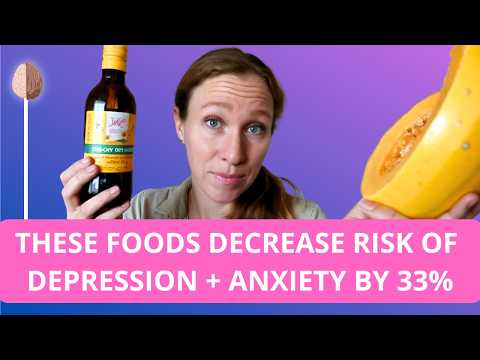
You know those days when everything just feels… heavy? Like you’re wading through mud? That’s what some folks call Sad Syndrome, or Seasonal Affective Disorder.
This blog provides content for informational, educational, and reflective purposes only. The information published here does not constitute medical, psychological, or psychiatric advice, and it does not replace the evaluation, diagnosis, treatment, or individualized guidance of a properly licensed professional. If you believe you may be experiencing a psychological or health-related issue, consult a qualified professional as soon as possible before making important decisions about your well-being. Do not self-medicate or start, stop, or change medications, therapies, or treatments on your own. While we aim to provide useful and accurate information, we do not guarantee that it is complete, current, or suitable for every situation. Your use of this content is at your own risk, and reading it does not create a professional, clinical, or therapeutic relationship with the author or this website.
It can hit hard, especially when the sun disappears for months. But here’s the thing—your diet can actually play a bigger role than you might think!
I mean, who knew that munching on certain foods could give your mood a boost? Seriously! Let’s chat about some nutrients that can totally help lift your spirits. It’s all about feeding your mind and soul, you feel me?
Top Foods to Boost Your Mood: Combat Seasonal Affective Disorder (SAD) Naturally
So, let’s talk about food and how it can seriously impact your mood, especially if you’re grappling with Seasonal Affective Disorder (SAD). You know, that thing where the winter blues hit hard and make you feel like a deflated balloon? Well, there are actually foods out there that can help you combat the gloom. Let’s break this down.
First off, omega-3 fatty acids are a big deal. They’ve been shown to play a role in regulating emotions. You’ll find these goodies in fatty fish like salmon or mackerel. If fish isn’t your jam, don’t sweat it! You can snag omega-3s from walnuts or flaxseeds. Just think of that warm feeling when you enjoy a nice piece of grilled salmon—soothing, right?
Then we’ve got complex carbohydrates. These are important because they help your brain produce serotonin—sometimes called the «happy chemical.» So, instead of going for that sugary snack (which might give you a quick high but then crash you down hard), try whole grains like quinoa or brown rice. Seriously, make a big bowl of oatmeal; it warms both your belly and spirit!
Let’s not forget about fruits and vegetables. They’re packed with vitamins and antioxidants that can help fight inflammation and boost brain health. Citrus fruits, like oranges and grapefruits, are especially awesome because they also give you a pop of energy. Leafy greens? Yep! Spinach isn’t just for Popeye; it’s loaded with nutrients that support mental health too.
And hey, while we’re talking about nutrients, vitamin D deserves a shout-out too. Many folks struggle with SAD partly due to lower sunlight exposure in winter. Foods fortified with vitamin D—like some dairy products or plant-based milk—can help fill that gap. If you’re really low on D, maybe talk to your doctor about supplements; it’s worth checking out!
Now let’s not forget about dark chocolate. Seriously! Not only is it delicious (who doesn’t love chocolate?), but it also contains compounds that might improve mood by releasing feel-good endorphins. So go ahead and indulge in moderation—you’ll be doing your happiness levels a favor.
Lastly, keep an eye on caffeine intake; while some coffee may be energizing initially, too much can mess with your sleep or anxiety levels later on. Balance is key here!
So yeah, if you’re feeling those winter blahs creeping in from SAD or just need an emotional boost now and then, consider what’s on your plate. Food choices really do matter when it comes to lifting our spirits! The right nutrients can make such a difference—it’s all about giving yourself the best shot at feeling good each day.
Eating well doesn’t mean giving up tasty meals either; it’s more about finding what helps you feel energized rather than drained during those gray months. And remember: small changes add up!
Top Foods to Boost Mood and Combat Seasonal Affective Disorder
When winter rolls around, some people feel that familiar heaviness in their hearts and minds. Seasonal Affective Disorder, or SAD, can get you down with those shorter days and cloudy skies. The thing is, your diet can really play a role in how you feel during this time. Seriously! Let’s chat about some foods that might help boost your mood and keep the blues at bay.
First off, think about omega-3 fatty acids. These little guys are crucial for brain health and can seriously lift your spirits. You’ll find them in fish like salmon, sardines, or even walnuts and flaxseeds for the non-meat eaters out there. A buddy of mine swears by her weekly salmon dinners—it really helps her feel centered when the sun isn’t shining.
Next up are complex carbohydrates. So yeah, we’re talking about whole grains like brown rice and oats. They help your body produce serotonin, which is often called the “feel-good” chemical. When I switched to whole-grain bread instead of white, I noticed my energy levels were more stable throughout the day!
Don’t forget about dark chocolate, either! Yup, you heard me right. It not only tastes so good but also boosts endorphins. Just a small piece can make a difference on those gloomy days—it’s like giving yourself a little treat without overdoing it.
Now let’s get into fruits and veggies because they pack some major nutrients. Consume plenty of fruits like bananas or oranges which are high in vitamin C and fiber. Leafy greens like spinach? They’re loaded with folate—a nutrient linked to lower depression rates. My sister started adding spinach to her smoothies; she says it makes her feel more energized – totally worth a shot!
Also consider nuts and seeds. Almonds, pumpkin seeds—these are packed with magnesium which may fight anxiety symptoms. Whenever I’m feeling overwhelmed, snacking on a handful really calms me down.
Finally, staying hydrated is key too! Dehydration can impact mood significantly; so keep that water bottle close by during winter months.
So remember: food is not just fuel—it’s your ally against seasonal blues! Finding ways to incorporate these mood-boosting foods into your meals could make all the difference when dreary weather tries to bring you down. You’ve got this!
Discover the Best Foods for Emotional Healing: Nourish Your Mind and Boost Your Mood
You know, when it comes to emotions and mental health, what you eat can actually make a difference. It’s not just about munching on kale or chugging green smoothies; there are specific nutrients that really help support our emotional well-being. So, let’s talk about some foods that might just give your mood a boost, especially if you’re feeling down.
Omega-3 Fatty Acids are where it’s at! Found in fatty fish like salmon and mackerel, these little powerhouses have been linked to reduced symptoms of depression and anxiety. If fish isn’t your thing, don’t worry—walnuts and flaxseeds are great plant-based sources too.
Then there’s Vitamin D. This nutrient is super important for mood regulation. Sunlight exposure helps your body produce it naturally, but on cloudy days or during winter months, you might need more from your diet. Think fortified foods like orange juice or cereals, or go for egg yolks and mushrooms.
Let’s not forget about B vitamins, especially B6 and B12. These play key roles in producing brain chemicals that affect our mood. Whole grains, leafy greens, meat, fish, eggs, and dairy products can give you a good dose of these vital vitamins. They help keep the blues away!
Iron is something we often overlook—don’t sleep on it! It’s crucial for maintaining energy levels and preventing fatigue. Good sources include red meat (if you’re into it), lentils, beans, and spinach.
And then we have magnesium. This mineral has calming properties and can help reduce anxiety levels. You’ll find magnesium in foods like dark chocolate (yes!), nuts, seeds, whole grains, and leafy greens. Seriously though—who doesn’t love chocolate?
Also important? Antioxidants. These guys fight off stress-induced oxidative damage in the brain. Colorful fruits and veggies—like berries (think blueberries), oranges, spinach—are packed with them! The more colors on your plate the better.
Don’t forget about hydration; I mean water is life! Dehydration can mess with your concentration and mood without you even realizing it. So keep a water bottle close by.
Finally—a biggie to consider—is what *not* to eat as well. Processed foods high in sugar can give you temporary highs but lead to crashes that leave you feeling low later on.
To wrap things up: nourishing your mind involves a solid balance of wholesome foods packed with key nutrients like omega-3s, vitamin D, B vitamins, iron, magnesium—and antioxidants too! So next time you’re feeling down or anxious just remember to pay attention not only to how you’re feeling but also to what’s going into your body… because seriously? Your plate plays a huge role in emotional healing!
You know how sometimes you just feel down and don’t really know why? Well, that’s kind of where “Sad Syndrome” comes in. It’s like when the weather gets gloomy, and you can’t shake off that yucky feeling. But let me tell you something: what you eat can seriously swing your mood way more than you might think.
First off, think about omega-3 fatty acids. They’re found in fish like salmon and in walnuts. Studies show they can help boost your mood! I remember a buddy of mine who started eating more fish and less junk food, and he said he felt less anxious and more focused. Crazy how food can play a role, right? But hey, not everyone is into fish—there are plant-based sources too, like flaxseeds. So no worries if seafood ain’t your thing!
And then there’s vitamin D. You usually get it from sunlight, but when it’s dark outside for ages, we often fall short. Ever noticed how a sunny day seems to lift your spirits? That’s no accident! If you’re not soaking up those rays, consider foods fortified with vitamin D or maybe even a supplement—just check with someone who knows their stuff before jumping into that.
Don’t forget about B vitamins—especially B6 and B12. They’re like the cheerleaders in our bodies that help keep our brains functioning properly. Foods like whole grains, eggs, and leafy greens are great sources. I once had this stretch of feeling low while studying for finals; my nutrition was all over the place! Once I swapped out some snacks for healthier options packed with these vitamins—it made a noticeable difference.
Lastly, let’s chat about magnesium—a mineral that gets overlooked way too often! It plays a big part in regulating neurotransmitters that keep our moods balanced. Almonds or spinach? Yep—it could be as simple as snacking on those during the day or adding them to your meals.
But seriously, while all this is super helpful info, remember it isn’t just about what’s on your plate. Combining good nutrients with things like talking to friends or seeing a therapist can give you the whole package when dealing with Sad Syndrome—or any tough times really! So if you’re feeling down sometimes? Just take it one day at a time—your plate matters but so do those meaningful conversations and moments of connection we all need!