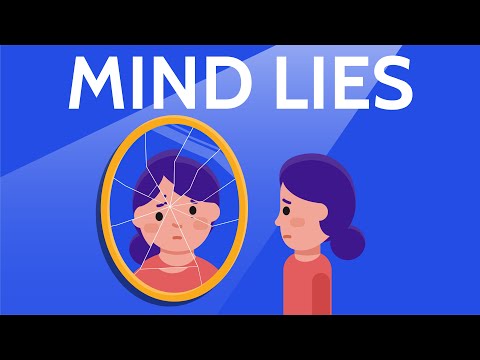
You know those days when your brain just spirals? Everything feels out of whack, and you can’t quite pin down why? Yeah, I’ve been there too.
This blog provides content for informational, educational, and reflective purposes only. The information published here does not constitute medical, psychological, or psychiatric advice, and it does not replace the evaluation, diagnosis, treatment, or individualized guidance of a properly licensed professional. If you believe you may be experiencing a psychological or health-related issue, consult a qualified professional as soon as possible before making important decisions about your well-being. Do not self-medicate or start, stop, or change medications, therapies, or treatments on your own. While we aim to provide useful and accurate information, we do not guarantee that it is complete, current, or suitable for every situation. Your use of this content is at your own risk, and reading it does not create a professional, clinical, or therapeutic relationship with the author or this website.
Sometimes, it’s not just a bad mood. It’s like our minds play tricks on us. Those sneaky little thoughts that twist reality into something way darker or more dramatic than it needs to be? They’ve got a name: distorted thinking patterns.
These are pretty common, but man, can they mess with how we see ourselves and the world around us. Like, maybe you’re convinced that one mistake makes you a total failure. Spoiler alert: it doesn’t!
Let’s chat about ten of these tricky thought patterns. You know, the ones that pop up and try to rain on your parade. Understanding them is like shining a flashlight in a dark room – super helpful! So, grab a snack or something comfy and let’s dig in!
Understanding the 10 Cognitive Distortions: Insights for Better Mental Health
Understanding cognitive distortions can really help you catch those sneaky thoughts that might mess with your mood. They’re basically biased perspectives we all have, but they can get pretty intense and lead to negative feelings. Here’s a closer look at ten common cognitive distortions that you might encounter.
1. All-or-Nothing Thinking
This is when you see things in black-and-white. You either succeed completely or fail utterly. Like if you think, “I bombed that presentation, so I’m a total failure.” It’s tough to find balance with this mindset.
2. Overgeneralization
Here, one negative experience spills over into the rest of your life. If you don’t get a job interview, it might feel like “I’ll never get hired.” Serious bummer vibes, right? But remember, one setback doesn’t define all your future opportunities.
3. Mental Filter
This involves focusing only on the negative details while ignoring the positives. Let’s say someone praises your work but also gives a little criticism; you might fixate on that criticism and forget about the praise! That’s like wearing blinders to good stuff.
4. Disqualifying the Positive
Similar to mental filtering, this one means dismissing positive experiences or feedback as flukes or not genuine. So when someone says, “You did great!” you think, “They’re just being nice.” You totally deserve credit for your successes!
5. Jumping to Conclusions
With this distortion, you make assumptions without enough evidence. You might think others are judging or rejecting you without any real proof at all. For example, if a friend doesn’t text back right away, it feels like they must be mad at you.
6. Catastrophizing
This is when minor problems become full-blown disasters in your mind. If you forget your wallet somewhere and immediately think you’ll be lost for days and starve! It spirals quickly into panic mode!
7. Personalization
This is about taking too much responsibility for events outside your control. Like if a team project fails and you blame yourself entirely while ignoring other factors at play—like team dynamics or circumstances beyond anyone’s control.
8. Emotional Reasoning
In this case, feelings dictate what’s true instead of facts doing the job! If you’re feeling anxious about an event and conclude it’ll be terrible just because you’re nervous—well, that’s emotional reasoning messing with clarity.
9. «Should» Statements
When you place demands on yourself (or others) by saying things like “I should be more successful” or “He should know better” it creates unnecessary pressure and guilt around what could’ve been fun experiences.
10. Labeling and Mislabeling
Instead of saying «I’m having a tough day,» this distortion pushes us toward harsh labels like «I’m such a loser.» This kind of self-talk can keep negativity alive longer than necessary.
Recognizing these patterns in yourself is liberating—it can help shift how you think about situations and create space for more balanced perspectives! Sometimes it’s just a matter of catching those thoughts before they turn into emotional roller coasters—so keep an eye out for them; you’re not alone in this!
Understanding the 12 Cognitive Distortions: How They Impact Your Mental Health
Cognitive distortions are those sneaky little thoughts that keep playing tricks on our minds. They can totally mess with how we see ourselves, others, and the world around us. Basically, these are exaggerated or untrue beliefs that can bring you down or make you feel anxious. So, let’s break down some common cognitive distortions and see how they impact your mental health.
1. All-or-Nothing Thinking
This is where you see things in black-and-white terms. If you’re not perfect, then you think you’re a total failure. For example, if you mess up at work once, you might think you’re terrible at your job overall.
2. Overgeneralization
With this distortion, one negative event spirals into a bigger narrative. Like if one person rejects your idea in a meeting, suddenly you think no one appreciates what you bring to the table.
3. Mental Filtering
Here’s the deal: You focus only on the negative aspects of a situation while ignoring all the good stuff. Let’s say someone gives you a compliment but then points out something to improve; you’ll likely focus on that critique instead of the praise.
4. Discounting the Positive
Similar to mental filtering—when good things happen to you, it feels like they don’t count. Imagine someone saying “you did well” after an exam and your brain responds with “but I could’ve done better.”
5. Jumping to Conclusions
You might jump straight into predictions or mind reading without any evidence to back it up. Picture this: your friend doesn’t text back right away, and you start thinking they’re mad at you when really they could just be busy!
6. Catastrophizing
This one takes “the worst-case scenario” to a whole new level. If something goes wrong or unexpected happens, it feels like it’s the end of the world! For example, getting a cold might lead to fears of serious illness.
7. Emotional Reasoning
Here’s where emotions become facts in our minds—you feel sad so therefore something must be wrong with your life; but feelings aren’t always reality! It’s important to separate those two.
8. «Should» Statements
These type of thoughts create pressure by implying there are strict rules about how we should act or feel—like “I should always be happy.” But hey, no one is happy 100% of the time!
9. Labeling and Mislabeling
This happens when instead of describing an action as bad or unfortunate, we label ourselves negatively—like calling yourself «a loser» instead of reflecting on a specific mistake you’ve made.
10. Personalization
In this distortion, everything feels personal! If your friend seems distant one day, it leads you to think it’s somehow your fault when they might just have their own stuff going on.
Now here’s what’s wild: these distortions can creep up quietly and before you know it; they start impacting your mental health in serious ways—anxiety becomes heightened when thinking patterns are negative like this and even depression can settle in due that heavy emotional load you’re carrying around.
So recognizing these patterns is crucial—it helps pave the way towards healthier thinking habits and better overall mental well-being!
Understanding the 7 Types of Abnormal Thought Processes: A Guide to Mental Health Insights
Okay, let’s talk about those abnormal thought processes that can really mess with how we see the world and ourselves. It’s like having a pair of glasses that are totally warped. You know what I mean? So, there are basically seven main types of these funky thought patterns that can pop up when someone’s struggling with their mental health.
- All-or-Nothing Thinking: This is when you see things in black or white, no gray area at all. If you don’t get an A on a test, you think you’re a total failure. Seriously, it’s like a mental trap!
- Overgeneralization: Ever made one mistake and then thought you’re bad at everything? Yeah, this is that. Just because you tripped once doesn’t mean you’re clumsy in all aspects of life.
- Mental Filter: This one’s tricky! You might focus only on the negative stuff while ignoring anything positive. Like getting ten compliments but stressing over that one critique. Not cool!
- Disqualifying the Positive: Similar to filtering but even more intense! If something good happens, you dismiss it as luck or fluke. “Oh, I only got the job because they were desperate.” Really?
- Jumping to Conclusions: Here’s where mind reading comes in. You assume what others are thinking without any proof. “My friend didn’t text me back; they must be mad at me.” Yikes!
- Catastrophizing: This is the classic worst-case scenario thinking! If your partner is late, your brain might leap to “They must have been in an accident!” Chill out! It could just be traffic.
- Personalization: Feeling responsible for things beyond your control? Yeah, that’s personalization for ya! If someone else has a bad day, you think it’s your fault because of something small you did.
The thing is, these distorted thoughts can lead to anxiety and depression if they stick around too long. They become our default way of processing the world—a bit like wearing those warped glasses every day without realizing it.
Anecdote time: I once talked to a friend who was convinced everyone was judging her after she slipped up during a presentation at work. She couldn’t see all the supportive comments from her colleagues; she kept focusing on that one awkward moment instead. It broke my heart because she was so good at her job! Just goes to show how these abnormal thoughts can twist our reality.
If you notice some of these patterns creeping into your thinking or someone else’s, it might be worth exploring them together—maybe in therapy or just talking things through with each other. Just remember: recognizing these thoughts is the first step towards flipping them around and finding a healthier perspective.
You deserve clarity and peace in how you think about yourself and the world around you!
You know, we all have those moments when our thoughts take a weird turn. Like, suddenly you’re convinced that everyone’s talking behind your back or that you’ll never be happy again. These crazy thought patterns are pretty common but can seriously mess with how you feel and act. They’re called distorted thinking patterns, and honestly, they can sneak up on you when you least expect it.
Take “all-or-nothing thinking,” for instance. It’s that mindset where everything feels black or white—like if you don’t get an A on your paper, you think you’re a total failure. I mean, life isn’t really like that, right? But it’s easy to slip into that kind of thinking when you’re stressed out or overwhelmed.
Then there’s “overgeneralization.” This one’s like the mental equivalent of wearing blinders. You might fail one interview and suddenly feel like you’ll never get hired anywhere. Remember that time when your friend flaked on plans and it felt like no one wanted to hang out with you? That’s overgeneralizing at work!
And oh! The “mental filter” is another sneaky one. You could have a great day with lots of compliments but somehow focus solely on that one critical comment someone made. It’s like putting on glasses that only show the negatives—everything else just fades into the background.
I once had a friend who was amazing at everything she did—seriously, this girl could bake the most incredible cakes! But every time she made a mistake in her baking, she’d beat herself up about it for days. She couldn’t see the delicious cupcakes waiting for her in the kitchen because all she could focus on was that burnt edge of a cake.
Then there’s “jumping to conclusions,” which is when you decide what others are thinking without any evidence to support it. Like, if someone doesn’t text back right away and your mind goes straight to «They hate me!» Totally relatable, isn’t it? You’re not alone in feeling like this sometimes.
Another biggie is “catastrophizing.” It’s when your brain turns small bumps into mountains, thinking everything will end in disaster. Missed a deadline? You’re convinced you’re going to lose your job! It sounds dramatic because it totally is!
Now let’s talk about “personalization.” This one’s tough too; it’s where you take blame for stuff that’s not even remotely connected to you. Maybe your friends are fighting and somehow you think it’s because of something you’ve done—it really doesn’t have anything to do with you.
“Should statements” come into play too; they make us feel guilty because we set these impossible standards for ourselves or others. «I should be more productive» or «I should have done better.» And there we go again with those heavy expectations!
Then there’s “emotional reasoning.” Your feelings become proof of reality; if you’re feeling down, then life must suck! It’s tough to remember that emotions can be all over the place and don’t necessarily reflect reality.
Finally, there’s “labeling,” which makes life feel so much smaller than it actually is—like calling yourself a loser after making a mistake instead of just saying, «Hey, I messed up.» You’re so much more than just one moment!
So yeah… these distorted thinking patterns can really impact our mental health in ways we might not fully grasp at first glance. Realizing they exist is kinda the first step toward breaking free from them. It takes practice—it won’t happen overnight—but being aware can lead us toward understanding ourselves better and starting to shift those thoughts into something healthier!