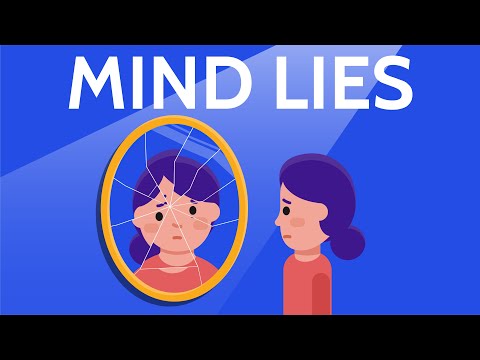
You know that moment when your brain starts playing tricks on you? Yeah, that’s a classic case of cognitive distortions. They sneak up on you, making everything feel a bit more dramatic than it really is.
This blog provides content for informational, educational, and reflective purposes only. The information published here does not constitute medical, psychological, or psychiatric advice, and it does not replace the evaluation, diagnosis, treatment, or individualized guidance of a properly licensed professional. If you believe you may be experiencing a psychological or health-related issue, consult a qualified professional as soon as possible before making important decisions about your well-being. Do not self-medicate or start, stop, or change medications, therapies, or treatments on your own. While we aim to provide useful and accurate information, we do not guarantee that it is complete, current, or suitable for every situation. Your use of this content is at your own risk, and reading it does not create a professional, clinical, or therapeutic relationship with the author or this website.
It’s like wearing emotional funhouse glasses. You look at a situation and suddenly it’s all twisted out of shape. Not cool, right?
These patterns mess with your thoughts, especially when times get tough. You might think you’re a total failure or that everyone hates you. But here’s the kicker: it’s not true.
Let’s dig into this funky world of thinking glitches together. We’ll uncover 50 common patterns and see how to spot ’em before they turn into full-on mind games! Sound good?
Understanding the 12 Cognitive Distortions: A Guide to Recognizing and Overcoming Negative Thinking
Recognizing cognitive distortions is a big step towards improving your mental well-being. These are basically faulty thinking patterns that can mess with how you see yourself and the world around you. You know, they’re like those annoying little gremlins in your head that twist things around and make everything seem worse than it really is. Let’s break down the 12 most common ones.
All-or-Nothing Thinking: This is when you see things in black and white. Either you’re a total success, or you’re a complete failure. Like, if you don’t get an A on a test, you feel like all your efforts were wasted.
Overgeneralization: This involves drawing broad conclusions based on one event. If you make one mistake at work, suddenly it feels like you’ll never succeed anywhere again. It’s brutal!
Mental Filter: Here, you focus solely on the negative while ignoring the positive aspects of a situation. Imagine getting ten compliments and then fixating on that one piece of criticism—it’s such a bummer.
Discounting the Positive: Similar to mental filtering but more about dismissing any positive feedback as unimportant. You might think, “Oh, they were just being nice” even if someone complimented your hard work.
Jumping to Conclusions: This one’s tricky! It involves assuming something negative will happen without any solid evidence to back it up. For example, thinking a friend didn’t text back because they’re mad at you—when in reality they might just be busy!
Catastrophizing: You blow things out of proportion and assume the worst-case scenario will happen. Like thinking if you trip in public, everyone will talk about it for ages. Seriously?
Emotional Reasoning: This distortion suggests that your feelings are facts. If you’re feeling anxious about something, then that means there’s real danger or something to worry about—even when there’s no actual threat.
Should Statements: You set unreasonable standards for yourself using “shoulds.” If you think “I should always be happy,” you’re setting yourself up for disappointment because nobody feels happy all the time!
Labeling and Mislabeling: Instead of saying “I messed up,” you might tell yourself “I’m such an idiot.” That harsh label can stick with ya longer than you’d want it to.
Personalization: This is when you take excessive responsibility for events outside your control—like feeling guilty for a friend’s bad mood as if it’s somehow your fault.
Blame: On the flip side, this distortion involves pointing fingers at others instead of taking any responsibility for what happens in your life or feelings.
The thing with these cognitive distortions is that they often sneak into our daily lives without us even realizing it! So how do we deal with them?
First off, awareness is key. Just knowing these patterns exist can help you catch yourself when you’re spiraling into negative thinking. Try keeping a journal where you jot down situations that trigger these thoughts along with how they distort your reality.
Challenge those thoughts too! When something negative pops into your head, ask yourself if there’s real evidence supporting it or if it’s just your mind playing tricks on ya.
Also, consider talking things out with someone who gets it—maybe a therapist or a trusted friend can help offer some perspective when those distortions feel overwhelming.
So remember: You’re not alone in this struggle against cognitive distortions! Recognizing them is like finding light in dark corners of your mind—it helps clear away some negativity so brighter moments can shine through.
Understanding the 10 Most Common Cognitive Distortions and How They Affect Your Mental Health
Cognitive distortions are basically those sneaky little thought patterns that mess with our heads. They can twist how we see the world and ourselves, often leading to negative feelings and behaviors. Understanding these distortions can seriously help you untangle your thoughts and improve your mental health. So let’s break down some of the common ones, yeah?
1. All-or-Nothing Thinking
This is when you see things in black-and-white terms. You’re either a total success or a complete failure. Like, if you don’t ace every exam, you feel like you’re not smart at all.
2. Overgeneralization
Here, one negative event becomes a pattern for all situations. If you have one bad date, you might think you’ll always be single. It’s like wearing blinders that only show the bad stuff.
3. Catastrophizing
You blow things way out of proportion! If your friend doesn’t text back right away, you might think they’re upset with you or even ending the friendship. It’s dramatic thinking based on little evidence.
4. Discounting the Positive
Ever had someone compliment you but brushed it off? Like saying it was just luck or they were just being nice? This distortion makes it hard to accept good things about ourselves.
5. Jumping to Conclusions
You assume something without any real proof—like thinking your boss is mad at you because they didn’t say hi this morning. You’re basically reading minds here!
6. Emotional Reasoning
Here’s where your feelings take charge! If you’re feeling anxious, it must mean something bad is going to happen—even if there’s no evidence for that feeling.
7. Should Statements
These are those pesky “should” rules we set for ourselves, like “I should exercise more” or “I should be more productive.” They create guilt and frustration when we don’t meet these expectations.
8. Labeling and Mislabeling
Instead of saying “I messed up,” you call yourself a loser or a failure overall. That kind of labeling can really chip away at self-esteem.
9. Personalization
You take responsibility for everything that goes wrong—even if it’s not your fault! If a group project fails, you might think it’s all on you, ignoring other factors involved.
10. Blaming
It’s easy to blame others for your problems instead of taking responsibility yourself! But while it might feel good in the moment, it doesn’t help resolve anything in the long run.
Recognizing these thought patterns isn’t just some psychology mumbo jumbo; it’s a step toward taking control of your mental health! For example, I once had this friend who would always say she was terrible at relationships because her last boyfriend cheated on her—total overgeneralization! Once she started seeing her worth outside that one experience, things began to shift for her emotionally.
Getting familiar with these cognitive distortions can be super empowering—like gaining tools to handle life better! By spotting them in your thoughts and flipping ’em around into something more realistic or balanced, you’re already on track to feeling better day by day!
Understanding Cognitive Distortions: 50 Common Thinking Patterns and Real-Life Examples
Cognitive distortions are those pesky little thought patterns that can mess with your head and make you feel pretty crummy. They’re like mental tricks your brain plays on you. Instead of seeing things as they really are, you end up with a warped view of reality. This can lead to a bunch of negative feelings and behaviors, which isn’t great for anyone, you know?
So let’s break down some common cognitive distortions to help you spot them when they pop up in your mind.
- All-or-Nothing Thinking: You see things in black and white. If it’s not perfect, then it feels like a total failure. Ever bombed a test and thought, «I’m just so dumb»? That’s this distortion at play.
- Overgeneralization: One negative event makes you think the worst will always happen. If one person rejects you, believing no one will ever want to be your friend is a classic example.
- Mental Filtering: You focus solely on the negative aspects of a situation while ignoring the positive ones. Like getting ten compliments but obsessing over one piece of criticism.
- Discounting the Positive: You believe positive experiences don’t count. “Yeah, I got an award, but it was just luck.” This keeps you from feeling good about achievements.
- Jumping to Conclusions: You assume the worst without having all the facts. Thinking a friend is upset with you just because they didn’t text back right away? Totally this distortion!
- Mind Reading: You think you know what others are thinking about you without any actual evidence. “They must think I’m boring” is more common than you’d imagine.
- Fortune Telling: Similar to mind reading, but here you’re predicting future events—usually bad ones! “I’m definitely going to fail that interview” completely lacks evidence.
- Catastrophizing: You blow things way out of proportion—making mountains out of molehills-—and turning minor issues into serious catastrophes!
- Emotional Reasoning: Your feelings dictate reality. If you’re feeling anxious, it must mean something bad is going to happen even if there’s no real reason to think so.
- Should Statements: These thoughts create unrealistic expectations for yourself or others: “I should be more successful” or “He should know I need help.”
- Mislabelling or Mislabeling:Your overall identity gets defined by one small behavior: calling yourself “a failure” because of one mistake instead of recognizing it as part of being human.
- Pessimism Bias:You expect negative outcomes more than positive ones; if something can go wrong in your mind, it probably will!
Recognizing these patterns doesn’t mean you’ll suddenly stop feeling bad all the time—it’s more about awareness than magic fixes! When I was dealing with anxiety, I realized how much I engaged in these thought traps. Once I started noticing them, I could challenge those thoughts and work through my feelings more effectively.
Being aware of cognitive distortions gives you tools to change how you think—and ultimately feel better about life overall. It takes practice and maybe some help along the way from therapy or supportive friends (you know who they are!). Just remember: it’s not about having perfect thoughts; it’s about making them healthier and more balanced!
You know, our brains can be pretty sneaky sometimes. I mean, have you ever caught yourself overthinking a situation to the point where you’re practically spiraling? That’s what cognitive distortions are all about. They’re these little tricks our minds play on us that can skew our perception of reality. It’s wild how often we fall into these patterns without even realizing it.
Picture this: I once had a friend who would always assume the worst in every situation. Like, if they didn’t hear back from someone right away, it was like “Oh no, they must hate me!” That whole black-and-white thinking can really mess with your head. It’s like living in a world where there’s no gray area—everything is either perfect or a total disaster. I’ve been there too; it’s exhausting!
There are tons of these thinking traps we all stumble into—overgeneralization, catastrophizing, and emotional reasoning are just a few examples. You might think you’re not good enough at something because you messed up once or twice. But that’s just one moment in time; it doesn’t define who you are.
And then there’s the whole «should» business—like, «I should always be productive» or «I should never feel anxious.» Those statements can be so harsh and unrealistic! They create this pressure that can really weigh down on us. Honestly, it’s okay to feel off sometimes; life isn’t about hitting every single target perfectly.
What gets me is how recognizing these distortions can really open your eyes. Once you start noticing them in your own thoughts, it’s like flipping a light switch on in a dark room—you begin to see things fresh and clear. So when those negative thoughts creep up—and trust me, they will—you can challenge them instead of just accepting them as truth.
So yeah, cognitive distortions might sound fancy, but they’re just patterns we all deal with in one way or another. Just remember: you’re not alone in this crazy brain game!