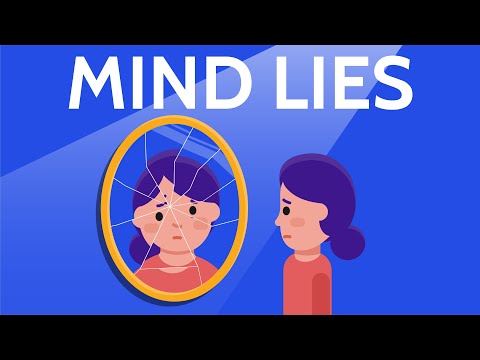
Hey, you know those moments when your brain just feels like it’s on a wild ride, twisting everything around? Yeah, we’ve all been there. It’s pretty easy to get caught up in thoughts that, honestly, don’t do us any favors.
This blog provides content for informational, educational, and reflective purposes only. The information published here does not constitute medical, psychological, or psychiatric advice, and it does not replace the evaluation, diagnosis, treatment, or individualized guidance of a properly licensed professional. If you believe you may be experiencing a psychological or health-related issue, consult a qualified professional as soon as possible before making important decisions about your well-being. Do not self-medicate or start, stop, or change medications, therapies, or treatments on your own. While we aim to provide useful and accurate information, we do not guarantee that it is complete, current, or suitable for every situation. Your use of this content is at your own risk, and reading it does not create a professional, clinical, or therapeutic relationship with the author or this website.
So here’s the thing: our minds can play tricks on us. It’s not always about reality; sometimes it’s all about how we see things. These funky patterns of thinking—cognitive distortions—can really mess with your mood and decisions.
But don’t sweat it! Once you spot them, that’s like having a superpower. You can challenge those thoughts and take back control of your mind. Ready to dive into the ten most common cognitive distortions? Let’s figure this out together!
Free Cognitive Distortions Worksheet PDF: Improve Your Mental Health Today
Cognitive distortions can really mess with your head, huh? They’re those sneaky little thoughts that twist reality and lead you to feel worse than you need to. Understanding these distortions is like shining a flashlight in a dark room—it helps you see what’s actually there instead of just what your mind is telling you.
Now, let’s talk about a free Cognitive Distortions Worksheet PDF. This tool can help you identify and challenge those pesky thoughts. But first, it’s essential to know the **10 most common cognitive distortions** so you can spot them in your daily life.
- All-or-Nothing Thinking: This is like saying you’re either a total success or a complete failure. If something doesn’t go perfectly, it feels like the end of the world.
- Overgeneralization: Think of this as taking one bad experience and blowing it way outta proportion. You fail one test and suddenly believe you’ll never succeed at anything.
- Mental Filter: This involves focusing only on the negative while ignoring the positive stuff. Like getting complimented on ten things but stressing over that one piece of criticism.
- Discounting the Positive: You might do something great, but instead of celebrating that win, you just brush it off as luck or say it didn’t count.
- Jumping to Conclusions: Here, you’re assuming negative outcomes without evidence. It’s like thinking your friend is mad at you because they didn’t text back right away.
- Mind Reading: You believe you know what others are thinking without any proof. “They must think I’m foolish” when they don’t even care that much!
- Fortune Telling: Like predicting doom without any basis—believing a presentation will flop before it even starts.
- Emotional Reasoning: If you’re feeling anxious, that must mean something bad is about to happen. Feelings aren’t facts; remember that!
- ‘Should’ Statements: These are rigid rules we set for ourselves. «I should always be happy» puts so much pressure on us that we end up feeling worse.
- Name-Calling or Labeling: It’s putting yourself down with names like “loser” or “failure” instead of seeing each situation individually.
When using a worksheet designed for cognitive distortions, look for prompts to help you recognize these patterns in your thinking. For instance, if you’re caught up in all-or-nothing thinking, ask yourself: “What evidence do I have for this extreme viewpoint?”
Breaking down these distortions takes practice and a bit of self-compassion. No one’s perfect; we all get caught up sometimes! Remember how I mentioned mental filtering? A friend once told me about her job interview experience—she got fantastic feedback but zeroed in on one tiny critique. Later on, she realized she’d scored an amazing opportunity but almost tossed it away because of her focus on negativity.
In sum, recognizing cognitive distortions is crucial if you’re looking to improve your mental health today. And while utilizing worksheets can be super helpful—like having a friendly guide—the real magic happens when *you* start challenging those distorted thoughts every day! So grab that free PDF and give yourself space to breathe easier with healthier thoughts!
Understanding Cognitive Distortions: Download Your Free PDF Guide for Better Mental Health
You know, cognitive distortions are like those sneaky little monsters that can creep into your head and mess with your thoughts. They’re basically ways we twist reality, making things seem worse than they really are. Understanding them is super important for your mental health because it can help you change how you think and feel.
When we fall into these thought traps, it’s easy to spiral down into anxiety or depression. So, recognizing them is the first step towards feeling better. Here are some common cognitive distortions:
- All-or-Nothing Thinking: You see things in black-and-white terms. If you don’t get an A on a test, you think you’ve completely failed.
- Overgeneralization: You take one instance and turn it into a never-ending pattern. Like if a friend cancels plans once, you might think they don’t care about you.
- Mental Filter: You focus solely on the negative aspects of a situation while ignoring any positives. For example, if someone compliments your work but also gives criticism, you only remember the criticism.
- Discounting the Positive: You downplay or dismiss the good stuff happening in your life. “Yeah, I got that promotion, but it doesn’t matter much.”
- Jumping to Conclusions: You assume something negative will happen without any evidence. This could be thinking someone didn’t text back because they’re mad at you.
- Mind Reading: This is when you assume what others are thinking without bothering to ask. “She didn’t smile at me; she must think I’m boring.”
- Catsastrophizing: You expect disaster to strike at every corner. So, if you’re running late for work, you might imagine getting fired.
- Emotional Reasoning: Your feelings dictate reality. “I feel anxious; therefore, something bad must be about to happen.”
- ‘Should’ Statements: You impose strict rules on yourself or others that lead to frustration when they aren’t met. “I should always be happy.”
- Slabeling and Mislabeling: Instead of saying “I made a mistake,” you label yourself a “failure” for messing up.
Think about this: Have you ever had one of those days where everything seems off? Maybe one little thing went wrong, and suddenly it felt like everything was terrible? That’s probably some cognitive distortion kicking in.
The big deal here is that recognizing these patterns can seriously help shift how we perceive our situations and ourselves. Once you’re aware of them, it’s like turning on a light switch in a dark room—you start seeing things more clearly.
So yeah, try paying attention the next time your mind goes down that rabbit hole of negative thoughts! Catch those distortions early on and challenge them! Doing this work can make all the difference in managing stress and feeling more balanced overall.
If you’re interested in diving deeper into this stuff, grabbing some resources like worksheets or guides on cognitive distortions can really help pull together everything you’re learning—you know? It’s all about arming yourself with knowledge so that those pesky thought monsters don’t get the best of ya!
Understanding 10 Common Cognitive Distortions and How They Affect Your Mental Health
Cognitive distortions are like those annoying little gremlins in your brain that twist your thoughts into something that doesn’t quite match reality. They can really mess with how you see the world and, honestly, yourself too. You know, it’s like wearing a pair of really bad glasses that make everything look warped. Here are ten common cognitive distortions that you might encounter:
- All-or-Nothing Thinking: You see things in black and white. If you’re not perfect, you feel like a total failure. For instance, if you don’t ace a test, you might think you’re just stupid.
- Overgeneralization: This is when you take one negative event and assume it’ll happen again and again. Got rejected from a date? Now you think you’ll always be alone.
- Mental Filter: You focus solely on the negatives while ignoring any positives. Maybe someone gives you a compliment but all you can think about is the one piece of criticism they had.
- Discounting the Positive: You downplay or dismiss positive experiences. Someone praises your work, but all you can say is, «They’re just being nice.»
- Jumping to Conclusions: This one’s tricky! It’s when you make assumptions without solid evidence. Like thinking your friend is mad at you because they didn’t text back right away.
- Minds Reading: You believe you know what others are thinking about you. If someone looks at their phone during a conversation, it must mean they’re bored with what you’re saying.
- The Fortune Teller Error: Predicting the future negatively without any real basis for it. For example, assuming you’ll fail a job interview before even stepping in the room.
- Emotional Reasoning: Your feelings dictate your reality. Feeling anxious about an exam leads to thinking you’re going to fail miss out on opportunities because of it.
- ‘Should’ Statements: Placing strict rules on yourself or others can lead to frustration and disappointment. Saying «I should have done better» makes it hard to appreciate any effort you’ve put in.
- The Labeling Game: Instead of saying «I made a mistake,» you label yourself as “a loser.” That kind of harsh self-talk can really hurt your self-esteem.
Recognizing these patterns in your thinking is crucial for improving mental health. It’s like putting those bad glasses aside and seeing things more clearly! Once you’re aware of these distortions, you can challenge them—maybe ask yourself if there’s evidence for what you’re believing.
Do any of these sound familiar? Maybe you’ve caught yourself falling into some of these traps from time to time? Challenging cognitive distortions isn’t easy; it takes practice and patience but seriously worth it—your mind will thank you later!
Cognitive distortions can be such sneaky little gremlins in our minds, right? I mean, one minute you’re just chilling, and the next, your brain’s throwing out the most negative thoughts imaginable. It’s like being stuck in a loop of «I’m not good enough» or «Everything always goes wrong.»
So, what are these cognitive distortions? Well, they’re basically patterns of thinking that mess with our reality. A classic example is black-and-white thinking. You know, where you see things as all good or all bad? Like when you have a rough day at work and suddenly feel like you’re the worst employee ever. Oof!
I remember a time I got super anxious about a presentation. My mind went straight to “If I mess up this one thing, everything’s ruined!” Totally overdramatic, right? But that distortion took over and made me forget all the times I rocked it before.
Another biggie is catastrophizing. You know the drill—making mountains out of molehills. Maybe you get a text from a friend that’s short and sweet, and your brain immediately thinks they must be upset with you. It’s wild how fast we can spiral into disaster scenarios.
And then there’s personalization—the habit of blaming yourself for everything that goes wrong around you. Like if your friend cancels plans, and suddenly it feels like it’s all your fault because you weren’t entertaining enough or something! Seriously?
But here’s the deal: recognizing these distortions is like shining a flashlight on those pesky shadows in your mind. Once you name them—like labeling them as “oh hey there, black-and-white thinking”—they lose some of their power over you.
It takes practice to challenge these thoughts though. Instead of going down that rabbit hole of negativity, try flipping the script on yourself every now and again. Ask questions like: “Is there evidence for this thought?” or “What would I say to a friend feeling this way?” Often enough, the answers are way more balanced than what we initially think.
And look—nobody’s perfect; we all have those days when our thoughts run wild like an untrained puppy! But by keeping an eye out for common cognitive distortions, we can learn to take back control. Every little step counts towards finding balance in our minds!