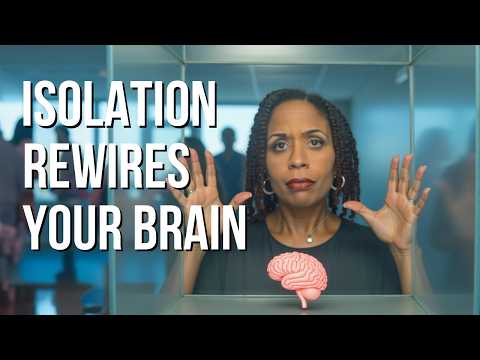
Hey, you ever feel like you’re surrounded by people but still kinda… alone? Yeah, it’s a weird feeling. And believe it or not, it’s not just you.
This blog provides content for informational, educational, and reflective purposes only. The information published here does not constitute medical, psychological, or psychiatric advice, and it does not replace the evaluation, diagnosis, treatment, or individualized guidance of a properly licensed professional. If you believe you may be experiencing a psychological or health-related issue, consult a qualified professional as soon as possible before making important decisions about your well-being. Do not self-medicate or start, stop, or change medications, therapies, or treatments on your own. While we aim to provide useful and accurate information, we do not guarantee that it is complete, current, or suitable for every situation. Your use of this content is at your own risk, and reading it does not create a professional, clinical, or therapeutic relationship with the author or this website.
Loneliness is hitting a lot of folks hard these days. It’s becoming this whole epidemic, creeping into lives without any warning. Seriously, it’s like that unwelcome guest who just won’t leave.
So what does all this loneliness do to us? Well, let me tell you—it affects our heads in ways we often don’t see coming. You might think it’s just a mood thing, but there’s way more to unpack here.
Let’s chat about how loneliness messes with our brains and why it matters so much right now. Sound good?
Understanding the Psychological Effects of Loneliness: Insights and Implications
Loneliness is a tough cookie, right? It sneaks up on you when you least expect it. You might be in a crowded room, and yet still feel like you’re on your own little island. The thing is, it’s not just about being physically alone; it’s more about feeling disconnected from others. You follow me?
So, what’s the big deal with loneliness? Well, studies show that it can really mess with your mental health. When you feel lonely, your body kind of goes into fight-or-flight mode. This means your brain releases stress hormones like cortisol, which can lead to anxiety and depression. It’s like your internal alarm system is always ringing!
Here are some psychological effects of loneliness:
Li>Cognitive decline: There’s research suggesting that chronic loneliness might even mess with your thinking abilities over time! It’s like trying to see through a foggy window – hard to focus, right?
Now imagine this: You’re scrolling through social media and see everyone having the time of their lives—friends hanging out, smiling faces everywhere. But instead of feeling joy for them, deep down you feel this twinge of sadness and isolation instead. That’s loneliness in action! It’s sneaky.
The good news? There are ways to combat these feelings! First off, reaching out is key. Even if it’s just sending a text or making a call to someone—small steps help rebuild connections. Engaging in hobbies or joining community groups can also work wonders.
But remember: if feelings of loneliness persist and get overwhelming, talking to a therapist might really help you process everything going on inside.
In short, loneliness isn’t just “feeling blue” sometimes; it’s an emotional experience that has some serious psychological implications that matter deeply in our lives today. Recognizing it is the first step toward finding those connections again—because nobody should have to navigate life all by themselves!
Understanding the Loneliness Epidemic: Its Impact on Mental Health and Well-Being
So, let’s talk about loneliness for a sec. It’s kind of a big deal these days, like more than you might think. Seriously, people are feeling isolated and disconnected from others, and that can hit hard on your mental health and overall well-being.
The Loneliness Epidemic isn’t just about feeling alone. It’s this widespread thing where many of us feel really disconnected. You know that feeling when you’re in a crowded room but still feel like no one gets you? Yeah, that’s loneliness creeping in. The numbers are staggering; studies show that nearly half of adults report feeling lonely sometimes or always.
What happens when you’re lonely? Well, it can mess with your head in ways you might not imagine. It can lead to serious issues like anxiety and depression. Imagine sitting at home on the couch after a long day and just feeling this weight because you haven’t talked to anyone? It drags you down!
- Emotional Impact: Loneliness can lead to feelings of worthlessness or even hopelessness. You start doubting your self-worth.
- Physical Health Risks: Yep, loneliness isn’t just about the mind. It can lead to physical health problems too—higher blood pressure and weakened immune function are just the tip of the iceberg.
- Cognitive Decline: Feeling lonely might even affect your brain health over time! Studies suggest it can lead to memory issues as well.
I remember talking to a friend who lived alone during quarantine. She was saying how she felt so cut off from everything that even her sleep started getting messed up. She’d lie awake at night thinking about how long it had been since she heard someone laugh or had a deep chat with anyone.
This whole situation is really striking because it doesn’t discriminate; young people, older adults—everyone seems susceptible in some way. Social media can be kind of a double-edged sword here too; sure, it helps connect us but often leaves us feeling less satisfied with our real-life relationships.
- Social Skills Deterioration: When we isolate ourselves too much, our social skills might suffer—a bit like any skill we don’t use regularly.
- A Diminished Sense of Purpose: Being connected often gives us meaning in life; without that connection, it’s easy to feel lost.
The big question is: what do we do about this? Well, it starts with acknowledging those feelings—you’re not alone there! Reaching out for help isn’t weak; it’s actually pretty tough and brave! Connecting with others through community groups or even online forums could spark something great!
You could also think about small steps towards building connections again: calling an old friend or joining an interest group could be really helpful in combatting that lonely feeling. Sometimes just opening up helps lift that heavy fog!
Mental health professionals are also super important here—the right therapy can help unpack feelings of loneliness and teach coping strategies to manage those tough moments better.
The bottom line is that loneliness matters! It impacts more than just your mood; it influences everything from your mind to body over time. So pay attention when you start feeling isolated because those feelings deserve care and attention.
Effective Solutions to Combat the Loneliness Epidemic: Reconnect and Thrive
So, let’s chat about loneliness. This isn’t just a feeling; it’s like a wave crashing over many people these days, and its psychological effects are real and can be quite overwhelming. You might feel it creeping in during those quiet evenings or when you’re scrolling through social media, seeing everyone else hanging out together while you’re just… well, alone. It’s tough, and you’re definitely not the only one dealing with it.
**Why does loneliness matter?** It can lead to serious mental health issues. Studies show that being lonely can increase the risk of depression, anxiety, and even physical health problems like heart disease. So yeah, it’s not just a little thing we can brush aside. The connection we have with others is so important for our well-being.
If you find yourself thinking, “Okay, but what do I do about it?” here are some **effective solutions** to help combat that loneliness:
- Reach Out: Seriously, this is a biggie! Don’t hesitate to contact friends or family members. Texts or calls can feel daunting at times but starting that conversation is key.
- Join Groups: This could be anything from clubs, hobby classes, or volunteer opportunities. Finding people who share your interests makes building connections easier and more natural.
- Engage Online: While scrolling endlessly isn’t great for your mood, joining online communities that resonate with your interests might help you connect with others who get what you’re feeling.
- Practice Self-Compassion: It’s all too easy to be hard on yourself when you feel lonely. Take a moment to acknowledge it without judgment. Treat yourself as you would treat a friend going through the same thing.
- Meditation and Mindfulness: These practices help ground you in the present moment and make that sense of connection easier to cultivate within yourself before reaching out to others.
- Pursue New Interests: Ever thought about trying something new? Whether it’s painting or martial arts, stepping outside your comfort zone could lead to meeting new people.
- Seek Professional Help: If loneliness feels overwhelming and persistent, talking to a therapist can provide support and strategies tailored specifically for you.
One time my friend Jake felt really isolated after moving cities for work. He missed everyone back home but didn’t know how to reach out without sounding needy or sad. After finally texting an old friend for coffee—and surprise!—the two ended up chatting for hours like no time had passed! Sometimes all it takes is that first step.
Also remember this: feeling lonely doesn’t mean there’s something wrong with you. We all go through phases of isolation at times in our lives; it’s just part of being human. Acknowledging how you’re feeling is huge!
So if today’s the day you’re ready to reconnect—go for it! Dive into these solutions headfirst. Connect—through whatever means feels right for you—and watch how things start shifting in small but significant ways. You got this!
Loneliness is kind of a sneaky thing, don’t you think? You could be in a crowded room full of people, yet still feel like you’re the only one there. It’s crazy how that works. Like, I remember a time I was at this party, everyone was laughing and chatting. But there I was, sitting in the corner scrolling through my phone. I felt so alone, even surrounded by friends. That feeling sticks with you.
Now, loneliness isn’t just about having no one around. It’s more about how disconnected you feel from others. And what I’ve noticed is that this isolation can take a real toll on your mental health. Like anxiety and depression can creep in when you’re feeling lonely for too long. Seriously, it can be like a shadow that just doesn’t leave.
Studies show that loneliness can even affect your physical health! People who feel isolated might have higher stress levels or struggle with sleep issues. That’s wild! You wouldn’t think that feeling lonely could actually make you sick, but it does.
It’s also interesting to see how this “loneliness epidemic” has become more pronounced lately, especially during and after the pandemic. Social media sometimes adds to that weird mix— scrolling through everyone else’s happy moments can make you feel worse instead of better.
But hey, here’s some good news: there are ways to tackle loneliness! Getting involved with community groups or reaching out to friends—even just sending a text—can really help bridge that gap. You’re not alone in feeling alone; seriously, many people are dealing with this stuff.
In the end, it’s important to recognize those feelings and talk about them if you’re struggling. It ain’t easy but connecting with others—even starting small—can really shift things for the better!