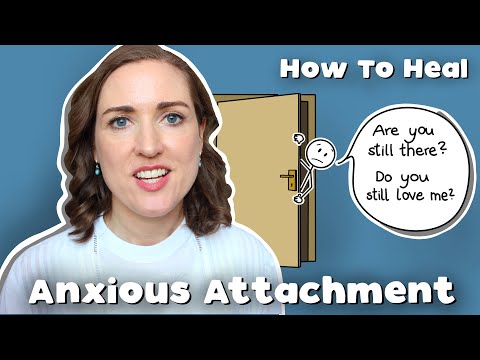
You know that feeling when you worry way too much about what your coworkers think of you?
This blog provides content for informational, educational, and reflective purposes only. The information published here does not constitute medical, psychological, or psychiatric advice, and it does not replace the evaluation, diagnosis, treatment, or individualized guidance of a properly licensed professional. If you believe you may be experiencing a psychological or health-related issue, consult a qualified professional as soon as possible before making important decisions about your well-being. Do not self-medicate or start, stop, or change medications, therapies, or treatments on your own. While we aim to provide useful and accurate information, we do not guarantee that it is complete, current, or suitable for every situation. Your use of this content is at your own risk, and reading it does not create a professional, clinical, or therapeutic relationship with the author or this website.
Yeah, that’s anxious attachment in action. It can be rough, especially at work.
Imagine stressing over an email for hours because you’re convinced it wasn’t good enough. Or feeling like your boss is judging every little thing you do. Total anxiety overload, right?
But here’s the thing: you’re not alone in this. Many people struggle with these feelings at work.
Let’s chat about how to navigate this tricky stuff and find some peace of mind in the workplace.
Understanding Anxious Attachment at Work: How It Affects Your Career and Relationships
Anxious attachment is like carrying a backpack filled with worries and insecurities everywhere you go, especially in the workplace. If you’ve ever felt like your emotions are on a rollercoaster, where feedback swings from joy to anxiety in an instant, welcome to the world of anxious attachment styles. It can really shape how you interact with your coworkers and approach your career.
First off, let’s break it down. People with anxious attachment often crave closeness but live in fear of rejection. You might find yourself constantly second-guessing interactions or overanalyzing what others say. For instance, if your boss gives constructive criticism, instead of viewing it as helpful feedback, you might perceive it as a signal that they don’t value you. That’s tough, right?
When you’re at work and feeling this way, it can create some serious tension. You could find yourself seeking constant validation from your peers or managers. Sure, wanting a pat on the back feels normal sometimes, but when you need it just to feel secure in your role? That’s when it gets tricky.
Here are some ways anxious attachment can affect your work life:
- Fear of Abandonment: You might stress over losing your job or being excluded from team activities.
- Overdependence on Approval: Constantly needing reassurance can lead to burnout for both you and those around you.
- Difficulties in Communication: Misreading intentions or messages can cause unnecessary conflicts.
- Avoidance of Challenges: Fear of failure may hold you back from taking risks that could boost your career.
Let me share an example. Picture Sarah—a graphic designer who always seeks her manager’s approval before submitting projects. She pours her energy into making everything perfect because she fears criticism like the plague. Instead of sharing innovative ideas during team meetings, she stays quiet because she worries about sounding silly or facing rejection. This not only stifles her creativity but also keeps her from building connections with her teammates.
But it’s not all doom and gloom! Recognizing that you’re dealing with an anxious attachment style is super important. Once you’ve got awareness, you can start working on strategies to cope better at work.
Here are some ideas for managing anxious attachment at work:
- Open Communication: Try being honest about how you’re feeling with trusted colleagues; this can foster stronger connections.
- Create Boundaries: Avoid overcommitting yourself; learning to say no can actually boost confidence.
- Practice Self-Compassion: Remind yourself that everyone has flaws—you’re human!
You know what’s key here? Building self-awareness helps you navigate through those intense emotions and relationships much more smoothly.
In reality, our workplaces thrive on collaboration and connection. Acknowledging that some emotional baggage influences how you act at work is half the battle won! So don’t shy away from reaching out for help—whether it’s talking to a friend or seeking professional guidance—to work towards healthier patterns that will only benefit your career and relationships going forward!
Understanding Workplace Attachment: Definition and Its Impact on Employee Well-Being
Workplace attachment can feel a bit like that weird blend of being super picky about your coffee order and needing to feel cozy in your favorite chair. It’s all about how you connect with your job, your coworkers, and the whole work environment. You might be thinking, «What’s the big deal?» Well, it turns out the way you feel about work can have a huge impact on your mental health.
So, let’s break it down. Workplace attachment refers to the emotional bond employees develop with their workplace. It shapes how they perceive their role and influences their overall well-being. Weak attachment can lead to feelings of isolation or stress. Think about it: if you don’t feel connected to your team or what you do, showing up each day can feel like dragging a boulder uphill.
Now, let’s chat about anxious attachment styles. If someone has an anxious attachment style, they often worry about their relationships at work. They might constantly seek validation from coworkers or managers. Imagine Sarah, always checking in on her manager for feedback, needing reassurance that she’s doing okay. This can create tension in her relationships and make her feel uneasy.
You see, anxious attachment is all about fear—fear of not being liked or fear of failing at your job. When you’re caught up in that cycle, it can affect not just how you interact with others but also how well you perform at work.
Here are some impacts of workplace attachment on employee well-being:
- Job Satisfaction: A strong attachment generally leads to higher job satisfaction. If you love what you’re doing and who you’re working with, chances are you’ll enjoy going to work each day.
- Mental Health: Positive attachments can boost mental health, while negative attachments may lead to stress or burnout.
- Engagement Levels: Employees with strong workplace bonds are usually more engaged and productive.
- Turnover Rates: When employees feel attached positively to their roles and teams, they’re less likely to leave the organization.
But here’s the kicker: some folks struggle more than others with this stuff. Right? Those who experience high levels of anxiety might find themselves stuck in a loop where they constantly seek approval yet still don’t feel secure.
You know what? It’s totally possible for workplaces to make things better for everyone involved by fostering healthier connections among team members. Companies could do things like offer training sessions that focus on building trust and communication skills.
To wrap it up (but just a little), understanding workplace attachment isn’t just corporate mumbo jumbo; it really matters for your peace of mind at your job! It affects everything from how happy you are at work to how likely you’ll stick around long-term. So if you’re feeling off-kilter at work lately? Maybe it’s time to look into those bonds you’re forming—or not forming—with others around you.
Understanding Fearful Avoidant Behavior in the Workplace: Strategies for Success
Fearful avoidant behavior in the workplace can be tricky, you know? People with this type of attachment style often want to connect with colleagues but are held back by anxieties or fears about relationships. Understanding this behavior is the first step toward making things smoother in your work life.
You might remember a time when you felt nervous about speaking up in a meeting or felt overwhelmed by interactions with coworkers. That’s pretty common for someone who is fearful avoidant. It’s like wanting to engage but also being scared of getting too close or being hurt.
So, these folks might appear distant or disengaged because they’re protecting themselves from potential rejection or judgment. But here’s the rub—they truly want connection, which makes everything a bit confusing.
Here are some ways to navigate these feelings effectively:
- Self-Awareness: Recognizing when you are feeling anxious can help. Just pausing to notice those feelings is powerful.
- Communication: Expressing your needs clearly can lessen misunderstandings. Saying something like, «I need some time to process feedback» opens doors.
- Setting Boundaries: Establishing what feels comfortable for you can create a safer space at work.
- Taking Small Steps: Gradually taking on social interactions can help build confidence. Maybe start with one-on-one conversations before jumping into group settings.
Creating supportive environments matters too! When managers and teams understand that someone might be struggling with fearful avoidant behaviors, they can better adapt their approach.
Maybe think of an example: Imagine someone who avoids team lunches because they’re anxious about how they’ll fit in. If the team leader encourages inclusivity and checks in personally, it could make that person feel more at ease and willing to join over time.
And remember—patience is key. Just as it takes time to build any relationship, fostering connections in the workplace does too. Small, gradual changes can lead to big improvements, both personally and within your team dynamics.
When you get down to it, understanding fearful avoidant behavior isn’t just about helping one person; it creates a healthier atmosphere for everyone involved. Don’t hesitate to lean into this understanding; it’s worth it!
Alright, so let’s chat about anxious attachment styles and how they can totally mess with your workplace vibe. You know, that feeling when your stomach just drops because you think your boss might be disappointed or a coworker isn’t responding to your emails fast enough? It’s like living in a constant state of worry. I mean, who hasn’t felt that twinge of anxiety when someone doesn’t acknowledge your hard work right away?
So here’s the thing: if you’ve got an anxious attachment style, you might find yourself desperately seeking validation from others. You crave reassurance, but it can feel like a rollercoaster at work. One moment, you’re on a high after receiving praise for a project, and the next, you’re spiraling because someone didn’t give you feedback or looked at you funny in the break room. It can turn into this cycle that leaves you feeling drained and uncertain.
I once had a friend who was always on edge about her job performance. She’d second-guess her decisions constantly and would seek out her manager’s approval for even the tiniest tasks. I remember one day she came in practically shaking over an email response she hadn’t gotten yet. “What if they think I’m slacking?” she said, all wide-eyed and worried. It was tough to watch because she was brilliant but couldn’t see it herself.
In workplaces where communication is sparse, people with anxious attachment styles really struggle. You may find yourself imagining worst-case scenarios or overanalyzing what others say—or don’t say. When you’re stuck in that mental loop of self-doubt, it’s easy to forget that everyone has their own stuff going on.
But hey, it doesn’t have to be all doom and gloom! Recognizing those patterns can be the first step towards changing them. Talking about feelings with coworkers could help build trust and connection—it’s all about creating an environment where vulnerability feels safe instead of scary.
Setting boundaries is another biggie! Learning when to take a step back from the overthinking helps clear out mental space for actually doing your job—and enjoying it too!
In navigating these waters, you’ll probably still have days filled with anxiety; that’s part of being human after all. But slowly embracing communication and working on self-acceptance can change how you show up at work. And who knows? You might even start finding pride in what you’ve accomplished rather than just worrying if it’s enough!