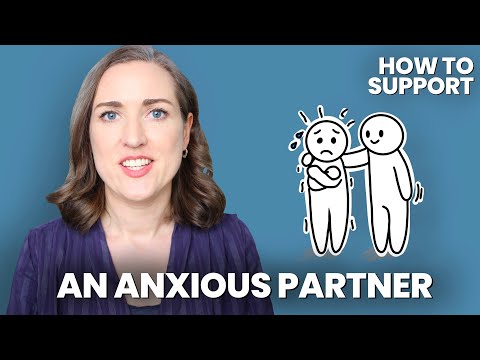
So, let’s chat about dating. It can be super exciting, right? But for some of us, it’s like walking through a minefield. Seriously.
This blog provides content for informational, educational, and reflective purposes only. The information published here does not constitute medical, psychological, or psychiatric advice, and it does not replace the evaluation, diagnosis, treatment, or individualized guidance of a properly licensed professional. If you believe you may be experiencing a psychological or health-related issue, consult a qualified professional as soon as possible before making important decisions about your well-being. Do not self-medicate or start, stop, or change medications, therapies, or treatments on your own. While we aim to provide useful and accurate information, we do not guarantee that it is complete, current, or suitable for every situation. Your use of this content is at your own risk, and reading it does not create a professional, clinical, or therapeutic relationship with the author or this website.
If you’ve ever felt that pit in your stomach when a text doesn’t come back, you’re not alone. That’s what anxious attachment feels like. It’s that constant worry about whether someone likes you enough or if they’ll ditch you.
I mean, I get it. You go out on a date, and suddenly your brain is running a marathon with all sorts of ‘what ifs.’ What if they think I’m boring? What if they ghost me? Ugh!
It’s tough to balance the thrill of new connections with those nagging fears. But hey, there are ways to navigate this dating jungle without losing your mind.
Let’s talk about how to embrace your attachment style and still find love. Sound good?
Exploring the Intimacy Styles of Avoidant Personalities: What to Expect in Bed
Understanding the intimacy styles of avoidant personalities can be a bit tricky, especially when it comes to dating and physical connections. You see, people with avoidant attachment often struggle with closeness and may seem distant, even if there’s genuine interest. Let’s break down what this looks like in the bedroom and what you might expect.
Avoidant attachment styles tend to value independence over emotional closeness. You might notice that these individuals pull away when things get emotionally intense. It’s not personal; that’s just how they’ve learned to cope. They often fear losing their autonomy, which can create a barrier during intimacy.
When it comes to sex, avoidantly attached folks may exhibit a few distinctive behaviors:
So imagine you’re laying there after being intimate—you’re looking for connection but feel like there’s a wall up. It can feel frustrating! A friend once told me how she dated someone who was lovely but never seemed fully engaged in those quiet moments afterward. It left her feeling confused and insecure.
But there’s good news! With understanding and patience, you can navigate these waters together:
In short, dating someone with an avoidant attachment style requires some extra patience and understanding. Remember that it’s okay to feel frustrated at times—you’re not alone in this experience! Just keep communicating openly and try not to take their actions personally; it often has more to do with them than with you.
Given all this info, I hope you have a clearer picture of what intimacy might look like in such relationships! Just take it one step at a time—you got this!
Understanding Anxious Attachment: Do Anxious Attachers End Relationships?
Anxious attachment is a pretty common style that can really shape how you connect with others, especially in dating. You know, when you’re constantly worrying about whether your partner loves you enough or if they’ll leave, it can be tough. But do people with this kind of attachment end their relationships? Well, it’s complicated.
First off, anxious attachers usually crave intimacy and connection. They often need reassurance from their partners. But here’s the kicker: their fear of being abandoned can sometimes drive them to push others away. Isn’t that a bit ironic? So, while they want closeness, their anxiety might make them act in ways that sabotage the very thing they desire.
Here are a few key things to consider:
- Fear of Rejection: Anxious attachers often feel like they’re walking on eggshells. This fear can lead to overreacting to small issues.
- Seeking Reassurance: They might ask for frequent affirmations of love or commitment. If they don’t get this reassurance, tension can brew.
- Pushing Away: When overwhelmed by anxiety, some may pull back or even break up first to avoid getting hurt.
Let me share an example from my friend Mia. She always seemed super clingy in her relationships—constantly texting her boyfriend for updates and reassurance. When he was busy and didn’t reply immediately, she panicked and thought he was losing interest. Eventually, her anxiety led her to break it off before he could do it himself. It was sad because deep down, all she wanted was security and love.
But here’s the thing: not all anxious attachers will end relationships impulsively. Some learn to communicate better over time and find healthier ways to cope with their feelings. Therapy can play a vital role in this process—seriously! Working through these anxieties helps develop more secure attachments.
So what’s the takeaway?
- Anxious attachment styles can lead individuals to fear that they’ll be abandoned.
- This fear may cause them to enact behaviors (like pushing partners away) that could lead to breaking up prematurely.
- However, with awareness and support, many learn how to manage these feelings more effectively.
If you’re navigating this anxious territory yourself or dealing with someone who is, remember that understanding goes a long way! Relationships are about communication and growth—there’s always room for change on both sides!
Understanding Anxious Attachment Styles: Take Our Quiz to Navigate Dating with Confidence
Understanding anxious attachment styles can feel like a rollercoaster, especially when it comes to dating. So, let’s break this down, shall we?
Anxious attachment is rooted in early interactions with caregivers. If you often felt your needs weren’t met consistently as a kid, you might end up feeling a lot more anxious about relationships as an adult. You know that nagging worry that someone might leave you? Yep, that could be an anxious attachment style talking.
When you’re dating and have this style, things can get a bit complicated. You might find yourself constantly needing reassurance. Maybe you text your partner a ton, doubting if they really like you back. Or perhaps you read too much into their silence after they don’t respond right away. It’s exhausting, right?
Here are some key points to consider:
- Fear of abandonment: You could be overly sensitive to signs that your partner may pull away.
- Hyper-vigilance: You may often analyze every little detail in conversations or actions.
- Seeking validation: The constant need for reassurance can lead to over-communicating.
You see this play out sometimes in relationships when one person feels unworthy of love or constantly doubts the other person’s feelings. Like once I had a friend who would panic if her boyfriend didn’t text within an hour of their dates ending. “Does he not like me? Should I text him?” she’d say. It was tough for her because she missed out on enjoying the dates themselves.
You might wonder how to navigate all this while dating confidently. A good starting point could be taking a quiz dedicated to understanding your attachment style better. It’s not some magic solution but more of a mirror reflecting your patterns and behaviors.
Once you have an understanding of where you stand, it becomes easier to spot those anxious thoughts creeping in during new relationships. Also, learning some grounding techniques—like deep breathing or reminding yourself of past positive experiences—can help soothe that anxiety when it flares up.
Basically, knowing about your anxious attachment style helps in two ways: First, it creates awareness about why you’re feeling what you’re feeling; second, it empowers you to communicate better with your partner about what you need.
So yeah, navigating dating with anxious attachment isn’t easy but getting familiar with these feelings—and maybe talking them through—can really change how you experience relationships moving forward.
Dating can be a total rollercoaster, especially when you have an anxious attachment style. You know, that feeling where you’re always second-guessing if someone likes you or if they’ll leave? It’s like being on a seesaw between excitement and dread. I remember this one time I was really into someone, and every text felt like a puzzle I had to solve. Was it too short? Too long? There’s just so much overthinking involved.
So let’s break it down a bit. When you have an anxious attachment style, your brain kinda goes into overdrive about relationships. You might find yourself interpreting every little thing—like the way they look at you or how fast they reply—as huge indicators of their feelings towards you. That can be exhausting! It makes it tough to just enjoy the moment because you’re worried about some imaginary future where things could go south.
And then there’s the fear of being abandoned. Seriously, that fear can feel like this heavy, unshakable cloud hanging over your head. You might cling to your partner more than you’d want to admit, hoping that by being super close, you’ll somehow secure their affection. The thing is, that intense need for reassurance can often push people away rather than draw them in. It’s like trying to hold sand in your hand—the tighter you grip, the more slips through your fingers.
But navigating this kind of dating isn’t all doom and gloom! Awareness is key here. Once you realize that these patterns are part of an anxious attachment style, it becomes easier to manage them. Practicing self-soothing techniques—like deep breathing or even journaling—helps a ton when those waves of anxiety sneak in. You start to learn that it’s okay not to have everything figured out right away.
Communication is another lifeline here; talking openly with potential partners about how you’re feeling can create understanding instead of misunderstanding. It gives them a chance to reassure you without making you feel like you’re burdening them with your worries.
Plus, dating someone who gets it helps too! Finding someone who understands anxiety and isn’t put off by it—even appreciates your sensitivity—can be such a game-changer. Relationships built on trust and empathy can actually help soothe those anxious thoughts over time.
So yeah, navigating dating with an anxious attachment style has its bumps but also opens up opportunities for growth and connection. Just remember: it’s all part of the journey!