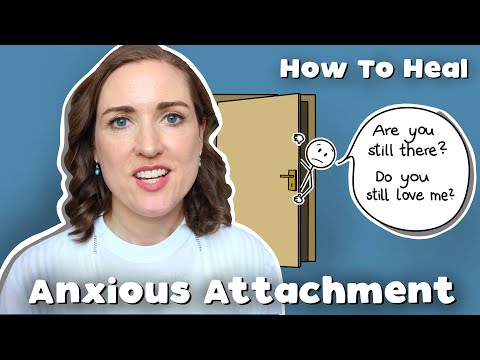
You know that feeling when you’re just a bit too clingy? Like, you really like someone, but you start to panic if they don’t text back right away? Yeah, that’s anxious attachment for you.
This blog provides content for informational, educational, and reflective purposes only. The information published here does not constitute medical, psychological, or psychiatric advice, and it does not replace the evaluation, diagnosis, treatment, or individualized guidance of a properly licensed professional. If you believe you may be experiencing a psychological or health-related issue, consult a qualified professional as soon as possible before making important decisions about your well-being. Do not self-medicate or start, stop, or change medications, therapies, or treatments on your own. While we aim to provide useful and accurate information, we do not guarantee that it is complete, current, or suitable for every situation. Your use of this content is at your own risk, and reading it does not create a professional, clinical, or therapeutic relationship with the author or this website.
It can be exhausting, huh? Always worrying about what your partner thinks or if they’re going to bail on you. I get it. It’s tough to feel secure when those thoughts swirl around in your head.
But here’s the thing: it doesn’t have to be all doom and gloom. There are tools that can help you chill out a bit and build healthier connections. So let’s talk about how to manage that anxious side of yourself without losing your cool—or your relationships.
Top Strategies and Tools for Helping Children Manage Anxious Attachment Styles
Managing anxious attachment styles in children can be a real challenge. It’s not just about helping them feel secure; it’s also about teaching them how to navigate their emotions and build healthy relationships. Let’s break down some strategies that really work.
1. Create a Safe Environment
Children often need a solid foundation to feel secure. You can start by providing a consistent routine. Predictability gives kids the assurance that they can rely on their caregivers. For example, if bedtime is always at 8 PM, they know what to expect and feel more secure.
2. Open Communication
Encouraging kids to express their feelings is huge. You want to create an atmosphere where they feel comfortable talking about their worries without fear of judgment. Ask open-ended questions like, «What makes you feel uneasy?» or «Can you tell me more about your day?» This helps them articulate their feelings rather than bottle them up.
3. Teach Emotional Regulation
Kids often struggle with managing big feelings, so helping them learn emotional regulation is key. Simple techniques like deep breathing can work wonders! When your child feels anxious, you could guide them to take slow, deep breaths together—counting in for four seconds, holding for four seconds, and breathing out for four seconds.
4. Model Healthy Relationships
Children learn by watching the adults in their lives. If you demonstrate healthy boundaries and how to maintain relationships without losing yourself, they’re likely to follow suit. This might mean occasionally saying no or managing conflicts openly with respect.
5. Validation Over Fixing
When kids express their fears or anxieties, it’s tempting to jump into problem-solving mode—like suggesting they just try harder or telling them it won’t happen again. Instead, validate their feelings first: “It’s okay to feel scared sometimes.” This acknowledgment can help them feel heard and understood.
6. Play Therapy
Using play as a therapeutic tool can help children explore their feelings in a fun way! Activities like role-playing or art projects allow kids to express themselves indirectly and give insight into what they’re feeling deep down.
7. Gradual Exposure
This approach involves gently exposing your child to whatever makes them anxious in controlled situations—like meeting new people or trying new activities—while offering support along the way until they become comfortable over time.
You’ll find these strategies are not one-size-fits-all; it takes patience and trial-and-error because every child is unique! So don’t be discouraged if something doesn’t work right away; just keep exploring together until you find what clicks for your little one!
Top Strategies for Managing Anxious Attachment Styles in Adults
Anxious attachment can feel overwhelming. You constantly worry about your relationships, feeling clingy or insecure. But, there’s hope! There are practical strategies you can use to manage these feelings and build healthier connections.
1. Self-Reflection
Take time to understand your feelings and patterns. Ask yourself why you feel anxious when others don’t respond right away. Is it something from your past? Recognizing these triggers helps you realize it’s not always about the present moment.
2. Communicate Your Needs
Honestly express your feelings with your partner or close friends. Say something like, “I sometimes feel anxious when I don’t hear from you,” rather than letting those thoughts swirl in your head. This opens up dialogue and helps them understand where you’re coming from.
3. Grounding Techniques
When anxiety hits, try grounding yourself in the moment. Focus on what you can see, hear, or touch around you. It distracts your mind from spiraling thoughts and brings you back to reality. Seriously, it works wonders.
4. Build Emotional Awareness
Learn to recognize how certain situations trigger your anxious attachment style. Do social media scrolling make you feel more anxious? Pay attention! Once you’re aware of these triggers, it’s easier to manage them.
5. Challenge Negative Thoughts
Instead of assuming the worst—like thinking someone is upset with you—try reframing those thoughts: “Maybe they’re just busy.” It’s like turning off a loud radio in your head playing all the worst-case scenarios.
6. Establish Healthy Boundaries
Boundaries are key for any relationship but particularly important if you’re dealing with anxiety in attachments. It’s okay to take time for yourself without feeling guilty or worried that you’ll push others away.
7. Seek Therapy
Sometimes talking with a professional can really help unpack those deep-rooted feelings related to attachment styles. Therapists provide tools tailored specifically for what you’re going through.
8. Embrace Self-Care
Taking care of yourself physically and emotionally lays a strong foundation for managing anxiety in relationships; exercise, meditate, eat well—do what makes you feel good!
Managing an anxious attachment style takes time and practice; you’ll have ups and downs along the way—totally normal! Just remember that every step counts towards healthier relationships—so hang in there!
Navigating Relationships: Effective Strategies for Supporting an Anxious Attachment Partner
Navigating relationships can be tricky, especially when you’re with someone who has an anxious attachment style. You might notice they often worry about their partner leaving or feel insecure in the relationship. So, what can you do to support them? Let’s break it down.
Understand Their Triggers
Start by recognizing what makes your partner feel anxious. It could be something like a change in routine or not responding to a text right away. These little things can spark big feelings of doubt. Talk to them about their triggers and try to understand where they’re coming from.
Communicate Openly
Communication is key. Let your partner know that they can talk to you about their feelings without judgment. If they’re worried, it helps to reassure them with honest and clear information. Maybe say something like, “I’m here for you, and we’ll figure this out together.” This kind of support goes a long way.
Provide Reassurance
Sometimes, all they need is a little reassurance. Remind them of your commitment and affection, especially during tough times. Simple phrases like, “I care about you” or “You’re not alone in this” can help calm their anxieties and strengthen your bond.
Establish Consistent Routines
Having predictable patterns in your relationship can help ease anxiety levels. Try to develop routines together—like regular date nights or weekly check-ins. This gives them something to look forward to and creates a sense of stability.
Avoid Criticism
If they’re feeling anxious, criticism might only make things worse. Instead of pointing out what they’re doing wrong, focus on encouraging positive behavior. You know? Compliments and understanding can work wonders in making someone feel secure.
Encourage Independence
While it’s great to support your partner, it’s also important for both of you to have some time apart—whether that’s pursuing hobbies or spending time with friends separately. This promotes healthy independence and reduces the pressure on your partnership.
Practice Patience
Change doesn’t happen overnight—so be patient with the process! There will be ups and downs as you navigate this together, but staying calm and giving each other grace is essential for growth.
In real life terms, imagine you’re driving through a stormy night with someone who’s really panicking about the weather outside. If you take the wheel confidently while offering gentle reminders that everything will be okay—that’s how you want to approach supporting an anxious attachment partner.
Relationships are complex because we all bring our own backgrounds into them. Supporting a partner with an anxious attachment style takes understanding, empathy, and effort from both parties—but it’s totally doable! Just hang in there and keep showing up for each other; that’s what really matters.
So, anxious attachment styles can be, like, super tricky to navigate. You know the deal—constantly feeling worried about your relationships and needing reassurance from others. It’s like being on this emotional rollercoaster that won’t stop. I mean, I’ve had moments where it felt like my heart was racing just from waiting for a text back. Ever been there?
It’s tough because it often leaves you second-guessing everything. “Did I say the wrong thing?” or “What if they don’t really care about me?” These thoughts can spiral pretty quick. But there are some tools that really help manage all that anxious energy.
One solid way is to practice mindfulness. Seriously! Just taking a moment to breathe and focus on the present can do wonders. Imagine you’re sitting outside, feeling the breeze and listening to the birds instead of getting lost in your head about what your friend might think of your last message.
Journaling is another game-changer. Putting pen to paper helps sort out those jumbled thoughts swirling around in your brain. You can write down what you’re feeling and why you think it’s happening. It’s like talking to a friend without judgment—you know?
And let’s not forget about communication skills! Learning how to express your needs openly can seriously change the game. Instead of bottling everything up, try saying something like, “Hey, I could use some reassurance right now.” It feels scary at first but can honestly build stronger connections.
Seeking therapy is also something worth considering if things get too overwhelming. Having someone guide you through your feelings might just be the support you need.
I remember chatting with a friend who had an anxious attachment style too. They’d been through the wringer with relationships, always worrying someone would leave anytime soon. But small changes made such a difference! Once they started practicing mindfulness and became more open with their feelings, their relationships became healthier and more fulfilling.
So yeah, dealing with an anxious attachment style isn’t easy by any means, but there are tools out there that help make those ups and downs feel more manageable! It’s all about taking baby steps towards understanding yourself better and building those connections in a healthier way.