So, depression, right? It can feel like this heavy blanket that just won’t budge. You wake up, and it’s there. Like a clingy shadow, tagging along all day.
This blog provides content for informational, educational, and reflective purposes only. The information published here does not constitute medical, psychological, or psychiatric advice, and it does not replace the evaluation, diagnosis, treatment, or individualized guidance of a properly licensed professional. If you believe you may be experiencing a psychological or health-related issue, consult a qualified professional as soon as possible before making important decisions about your well-being. Do not self-medicate or start, stop, or change medications, therapies, or treatments on your own. While we aim to provide useful and accurate information, we do not guarantee that it is complete, current, or suitable for every situation. Your use of this content is at your own risk, and reading it does not create a professional, clinical, or therapeutic relationship with the author or this website.
But what if I told you there are some pretty cool new ways to tackle it? Seriously, the science behind treating depression is changing fast.
We’re talking about fresh biomedical approaches that are shaking things up. It’s not just the usual therapies or meds anymore. People are getting creative!
Imagine harnessing the power of our body and brain in ways we’ve barely scratched the surface of before. Exciting stuff!
Let’s explore these innovative methods together and see what’s on the horizon for lifting that pesky blanket off your shoulders.
Comparing Fall Risks: Treatment Options for Older Adults with Treatment-Resistant Depression
It’s a tough world out there when it comes to dealing with treatment-resistant depression, especially for older adults. You’ve got this group that often feels the weight of the world on their shoulders, and when traditional methods don’t work, it’s like hitting a wall. Well, let’s talk about some treatment options and how they can help reduce the fall risks associated with this issue.
First off, we should consider the biomedical approaches. These are methods that don’t just rely on therapy or counseling. They involve medication and new technologies aimed at altering brain chemistry or function. For older adults who’ve already tried standard antidepressants without much luck, options like ketamine therapy have popped up as a game-changer. Ketamine can act fast—sometimes within hours—and works differently than traditional antidepressants by blocking certain receptors in the brain.
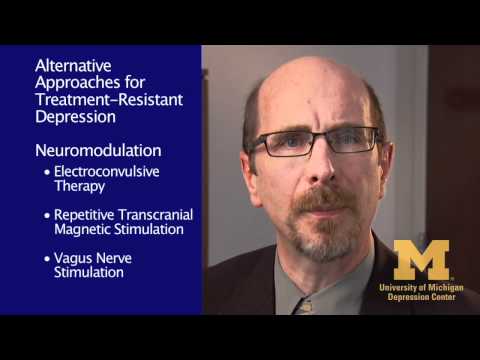
Then there’s transcranial magnetic stimulation (TMS). This nifty device uses magnetic fields to stimulate nerve cells in the brain linked to mood regulation. It’s been found to be safe and effective for older adults, plus it doesn’t come with some of those nasty side effects you might experience with medication. What’s really cool is that people can typically do TMS as an outpatient procedure without anesthesia.
You might ask: what about physical health? Well, that’s totally crucial too! Many older folks are dealing with physical ailments that can make them feel more down or less stable on their feet. Engaging in regular exercise—even something as simple as walking—can help lift mood and reduce fall risk.
- Cognitive-behavioral therapy (CBT) is also worth mentioning here. While not biomedical, it’s an evidence-based approach suited well for older adults.
- Through CBT, individuals learn coping skills that can help them handle depression while also focusing on maintaining balance and physical safety.
- This kind of therapy has shown promise in reducing not just symptoms of depression but also anxiety around falling.
- Some folks even turn to mindfulness techniques like meditation which promote relaxation; believe it or not, these can improve mood too.
Now let’s talk about family support and social connections. Having a strong support system makes a massive difference! Older adults who feel connected are often more motivated to stick to treatment plans and engage in activities that keep them physically active.
Finally—let’s not forget about close monitoring by healthcare providers. Regular check-ins allow doctors to adjust treatments based on what looks effective or not. It’s essential for keeping track of both mental health symptoms and any potential fall risks.
So you see, when older adults face treatment-resistant depression, there are real paths forward through innovative medical approaches combined with support strategies tailored to keep them healthy physically and mentally!
Understanding the Impact of Johnson & Johnson’s Innovations on Depression Treatment
So, let’s talk about Johnson & Johnson and how their innovations are shaking things up in the world of depression treatment. There’s a lot going on here, and understanding it can really help grasp how new approaches are reshaping mental health care.
First off, you should know that **depression** isn’t just feeling sad. It’s like being stuck in a heavy fog that just won’t lift. Traditional treatments like therapy and medications (like SSRIs) have helped many people, but they don’t work for everyone. That’s where innovative biomedical approaches come into play.
One of the big things Johnson & Johnson has been working on is **ketamine therapy**. This isn’t your average antidepressant; it’s actually been around for a while as an anesthetic but now is being explored for its rapid effects on depression. Think of it as a fast-acting option for those who need relief right away when traditional meds don’t cut it.
A key innovation from Johnson & Johnson is **Spravato**, a nasal spray form of ketamine. It’s designed to be used in conjunction with an oral antidepressant and can lead to improvements in mood within hours or even days! Imagine waiting weeks for relief and suddenly finding something that works much faster. That’s pretty life-changing, right?
Another important point to note is the focus on individualized treatment plans. The thing is, not everyone experiences depression the same way. Different people have different triggers, symptoms, and responses to treatment. By leveraging these innovations, healthcare providers can tailor treatments more effectively to suit individual needs.
And speaking of individual needs, let’s not forget about **biomarkers**! Johnson & Johnson’s research includes identifying specific biological markers in patients that might predict how well a treatment will work for them. This means they’re looking at you as an individual rather than just another case file—pretty cool if you ask me!
Despite all these advancements, there are still hurdles to overcome—like access and affordability of these innovative treatments. Not everyone has insurance coverage or access to clinics offering them which can feel like yet another hurdle when you’re already struggling with mental health issues.
Here are some key points about the impact of these innovations:
- Rapid relief: New treatments like Spravato can provide quick improvements.
- Individualized care: Tailoring treatment plans based on personal needs helps address unique symptoms.
- Biomarker research: Identifying specific biological markers could enhance treatment effectiveness.
- Accessibility challenges: Not everyone has equal access to these advanced therapies.
So yeah, while we’re seeing some really promising developments from companies like Johnson & Johnson in treating depression and potentially saving lives, it feels crucial that we keep pushing for wider access and comprehensive support systems out there! Mental health struggles shouldn’t be something you face alone or without options. Knowing about these advancements can help us advocate for better care overall—because everyone deserves a chance at feeling better!
Understanding Caplyta: A Comprehensive Guide to Its Benefits and Uses in Mental Health Treatment
Caplyta, or lumateperone, is one of those new kids on the block when it comes to mental health treatments. It’s primarily used for treating schizophrenia in adults but has caught attention for its potential benefits in treating depression too. So, let’s break it down a bit, shall we?
What Is Caplyta?
Caplyta is an antipsychotic medication that works a little differently than some older options. You know how traditional antipsychotics typically target just one thing? Well, Caplyta has a more flexible approach. It modulates multiple neurotransmitter systems — like dopamine and serotonin — in the brain. This could be what makes it appealing for folks dealing with both schizophrenia and depressive symptoms.
How Does It Work?
The magic happens in how Caplyta interacts with brain receptors. When you take this medication, it influences the balance of neurotransmitters. Think of neurotransmitters as little messengers that help keep your mood stable and your mind clear.
Being able to hit multiple targets means it’s not just focused on reducing hallucinations or delusions but also helps lift mood and enhance emotional stability. Pretty neat, right?
Benefits of Caplyta
Now, let’s talk about some specific benefits:
- Tolerance: Many people find that Caplyta is generally well-tolerated with fewer side effects compared to older medications.
- Affective Symptoms: Some studies suggest that it can help alleviate depressive symptoms when used alongside other treatments.
- Cognitive Function: There’s some early evidence pointing towards improved cognitive functioning in users.
- Dose Flexibility: The dosing is flexible—there are lower doses available that might work better for sensitive individuals.
But hey, let’s not forget about the emotional side of things too! Imagine someone who’s been struggling with mixed symptoms – like feeling anxious one minute and super flat the next. That unpredictability can be exhausting! With a med like Caplyta potentially smoothing out those emotional ups and downs, life might feel a bit more manageable.
The Road Ahead
Caplyta isn’t going to be the magic pill for everyone. It’s crucial to work closely with your doctor to figure out if it fits into your treatment plan. Mental health can be pretty individualistic—you know?
So whether you’re looking into treatments for schizophrenia or pondering its potential use alongside depression therapies, understanding what Caplyta is all about might help you feel a little more empowered in your journey towards mental wellness.
Just remember: no single treatment works wonders for everyone; it’s all about finding what clicks for you!
You know, when you think about depression, it often feels like hitting a wall that just won’t budge. Many folks have been there; I know I have. It’s that heavy feeling, like you’re dragging around a backpack filled with rocks. For some, therapy and medication can help lighten the load. But for others, those options don’t quite cut it.
Lately, people have been talking a lot about innovative biomedical approaches to treating depression. It’s interesting—and kind of hopeful, right? It feels like the world is looking for new ways to tackle this beast. For instance, researchers are experimenting with exciting things like deep brain stimulation and ketamine infusions. These methods sound super sci-fi, but they can also bring real relief for those who’ve felt stuck in their own heads.
I remember chatting with a friend who was struggling through another rough patch. He’d been through therapy and tried several medications without much progress. Then he heard about some of these new treatments. At first, he was skeptical—totally understandable! But after digging into the research and hearing stories from people who found relief through them, he decided to give it a shot.
What really struck me was how these innovative approaches focus on the brain’s chemistry and structure in ways we haven’t fully explored before. Like with ketamine; it’s not your typical antidepressant but has shown promise for rapid relief in some cases! Imagine feeling better within hours instead of weeks… That’s pretty incredible.
But here’s the thing: as exciting as they are, these methods also come with questions. Accessibility is a big one—can everyone afford these treatments? There’s also the emotional side of jumping into something new when you’ve already faced so much uncertainty in recovery. That part really hit home for my friend; he told me it felt like walking on a tightrope.
So yeah, while traditional treatments still play an important role in many lives—like my friend getting back to his love for music after feeling so distant from it—these biomedical innovations could be game-changers down the line. They offer glimmers of hope for so many folks who’ve been battling silent wars inside their heads.
It’s all about finding what works for you because everyone experiences depression differently; there’s no one-size-fits-all solution here. And if innovative approaches can help just one more person feel lighter—a little less like they’re carrying that heavy pack—I say let’s keep exploring!