So, you’ve noticed that your kiddo seems a bit off? Like, they’re not quite themselves anymore? Yeah, it happens.
This blog provides content for informational, educational, and reflective purposes only. The information published here does not constitute medical, psychological, or psychiatric advice, and it does not replace the evaluation, diagnosis, treatment, or individualized guidance of a properly licensed professional. If you believe you may be experiencing a psychological or health-related issue, consult a qualified professional as soon as possible before making important decisions about your well-being. Do not self-medicate or start, stop, or change medications, therapies, or treatments on your own. While we aim to provide useful and accurate information, we do not guarantee that it is complete, current, or suitable for every situation. Your use of this content is at your own risk, and reading it does not create a professional, clinical, or therapeutic relationship with the author or this website.
Pediatric depression is way more common than people realize. And honestly, it can be really tough to spot. Kids don’t always put their feelings into words like adults do. You know?
One minute they’re laughing and playing, and the next—boom—they’re withdrawn and moody. It can leave you feeling lost, unsure of how to help them get back to their happy selves.
But the good news is there are effective ways to treat it. Seriously! There’s hope and support out there for these little ones who need it most.
Let’s chat about some of those approaches that really make a difference!
Effective Strategies for Treating Childhood Depression: A Comprehensive Guide
Childhood depression can feel like a heavy cloud hovering over a kid’s life. It’s not just about feeling sad; it’s like they’re stuck in this place where everything feels gray and heavy. And, if you’ve noticed some changes in a child—like withdrawing from friends, losing interest in things they used to love, or changes in eating and sleeping—that might be an indicator that something’s up.
Treatment for childhood depression involves a mix of things. Let’s break it down a bit.
Therapy is one of the most effective strategies. Kids often respond well to cognitive-behavioral therapy (CBT). This type of therapy helps them understand how their thoughts affect their feelings and behaviors. The goal is to help them recognize negative thought patterns and replace them with healthier ones. Imagine a little kid learning that «I’m not good enough» isn’t true—what a weight off their shoulders, right?
Another approach worth mentioning is play therapy. This one taps into the natural way kids express themselves—through play. A therapist might use toys or games to help the child express feelings they might struggle to verbalize. For instance, let’s say little Sam plays with action figures who have battles; that could be his way of showing he feels overwhelmed or powerless.
Family involvement matters too. It’s crucial for families to understand what the child is going through. Sometimes, family therapy can help everyone communicate better and support the child as they work through their emotions. When parents are on board, it creates this supportive environment where kids feel safe expressing themselves.
Medications might be part of the picture. In some cases, doctors may prescribe antidepressants if symptoms are severe or don’t improve with therapy alone. It’s important for parents to work closely with healthcare providers so they understand any potential side effects. The idea isn’t to rush into meds but rather use them as a tool alongside other strategies.
And let’s not overlook lifestyle changes! Simple things like making sure kids get enough sleep, eat balanced meals, and stay active can have a huge impact on mood. Physical activity releases those feel-good endorphins—you know? A bike ride or playing outside can really lift spirits.
Mindfulness practices, such as meditation or yoga, are gaining traction too! These tools help kids learn how to calm their minds and manage stress better. They may even learn techniques that they’ll carry into adulthood!
Lastly, don’t forget about school support systems! Teachers and school counselors can play key roles by being observant and creating an inclusive environment where children feel understood.
So there you have it! Dealing with childhood depression isn’t straightforward; it’s more like putting together pieces of a puzzle. You’ve got therapy, family support, possible medication options, healthy lifestyle choices, mindfulness practices—and school involvement all working together for brighter days ahead.
Every child is different though, so what works for one might not work for another—it takes time and patience!
Comprehensive Guidelines for Treating Adolescent Depression: Effective Strategies for Mental Health Improvement
When it comes to treating adolescent depression, it’s super important to take a comprehensive approach. Look, teen years are tough anyway, and add depression into the mix? Yikes! You’re dealing with some heavy stuff. So, effective strategies can really make a difference.
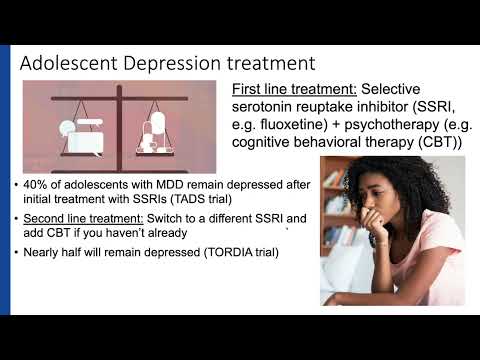
First off, therapy is often one of the best go-to treatments. Cognitive Behavioral Therapy (CBT) is especially useful. This method helps teens identify negative thought patterns and replace them with healthier ones. Imagine you’re feeling like a total failure because you flunked a math test. CBT would guide you in looking at that thought more realistically—like maybe not acing one test doesn’t define your whole life.
Then there’s family therapy, which can be crucial, too. Sometimes, involving the family helps everyone understand what’s going on and creates a support system for the teen. Picture this: a family sit-down where everyone communicates openly about feelings? It could totally change the dynamic at home.
Medication might come into play as well. SSRIs (selective serotonin reuptake inhibitors) are often prescribed when necessary. They help regulate mood by balancing chemicals in the brain. But keep in mind—medication isn’t always first on the list and should be paired with therapy whenever possible.
You’ve also got the importance of lifestyle changes. Exercise is not just for gym rats; it’s proven to boost mood thanks to those lovely endorphins released during physical activity! Any form of movement can help—whether it’s joining a school sports team or just going for walks around the neighborhood.
Oh, and let’s talk about safety planning, especially if there are thoughts of self-harm or suicide involved. Schools and therapists often develop these plans with kids to make sure they know what steps to take if things get overwhelming. Knowing that there’s a plan can ease some of that pressure.
Psychoeducation is another essential part of treatment. Educating both teens and their families about depression helps demystify what’s going on and promotes understanding rather than stigma or shame.
Lastly, building resilience through skills training might seem boring but it works! Teaching coping strategies helps teenagers handle stress better when life’s curveballs come their way—like how to deal with peer pressure or school stress without spiraling downwards.
So yeah, treating adolescent depression calls for a multi-faceted approach: therapy—check; medication if needed—check; lifestyle changes—check; safety planning—double check! It isn’t all sunshine and rainbows, but with support and effective strategies in place, things can definitely improve over time.
Effective Strategies for Supporting Children with Depression and Anxiety
Supporting children dealing with depression and anxiety can feel overwhelming, but there are practical ways to help them. You want to create a safe space where they can express themselves. That’s super important. When kids feel understood, it’s easier for them to open up about what they’re going through.
Listen Actively: This might seem simple, but just being there and listening can mean the world. Sometimes, all a child needs is someone who will really hear them out. Let them speak without judgment or interruption. You know, just nodding and showing you care can encourage them to share more.
Encourage Routine: Kids thrive on structure. Having a daily routine can provide a sense of stability that may help alleviate some stress. This could be as simple as having regular meal times or specific homework hours. It gives them something predictable in their day-to-day life.
Promote Physical Activity: Exercise can work wonders for mood—seriously! Whether it’s playing outside, riding bikes, or even just dancing around the living room, getting that body moving helps release endorphins. Those little guys are like nature’s mood boosters!
Create Opportunities for Social Interaction: Sometimes anxious or depressed kids withdraw from friends. Try inviting a close buddy over or setting up playdates. This gets them socializing again without too much pressure at first.
Teach Coping Skills: It’s important for children to learn how to manage their feelings when they get overwhelming. Deep breathing exercises, mindfulness practices, or even drawing can help channel those difficult emotions into something tangible.
Limit Screen Time: You know how easy it is to get lost in screens these days? Setting limits can reduce anxiety by helping kids disconnect from the chaos online and reconnect with the real world around them.
Seek Professional Help if Needed: Never hesitate to consult with a mental health professional if things don’t seem to improve or get worse over time. Therapy tailored for kids has proven effective in many cases, giving them tools they need to face their challenges head-on.
Incorporating these strategies doesn’t mean you have all the answers; it’s about being there for your child and trying different approaches until something clicks. Just remember that every child is unique, so what works wonders for one may not be as effective for another—it’s all part of finding what fits best!
You know, when we think about kids, we usually picture their carefree laughter and boundless energy, right? But the thing is, not every child lives in that bubble. Some deal with heavy stuff like depression, which is honestly heartbreaking. I remember a friend from high school who seemed so full of joy but opened up to me about feeling really down since her parents split up. It’s tough seeing someone you care about carry that weight.
So, pediatric depression— it’s a real thing and needs our attention. Treating it isn’t just about making them smile again; it’s more complicated than that. First off, therapy can be super helpful for kids. Cognitive Behavioral Therapy (CBT) is a popular choice because it helps them understand their thoughts and feelings better. Like when you catch yourself thinking “I’m not good enough,” CBT teaches you to flip that script into something more positive.
Medications might come into play too, although they’re usually not the first go-to for younger kids. You know how some adults take antidepressants? Well, sometimes doctors will consider them for children if therapy alone isn’t enough to help. But it’s gotta be carefully monitored— kids’ brains are still developing and all.
Family involvement is crucial too! When parents or caregivers are engaged in therapy sessions or understand what their child is going through, it can make a huge difference. It’s like creating a support network around the child with love at its center.
And let’s not forget the power of activities that promote joy and connection— art classes, sports teams… anything that gets them moving and socializing can help lift their spirits! Finding those moments of happiness is essential for healing.
At the end of the day, there isn’t one magic fix for every kid facing depression. A mixture of therapy options, family support, maybe medication—whatever works best for each unique situation really matters. What truly sticks with me is how vital it is to listen and support our young ones through their struggles because every little bit helps light up their path to healing. And who doesn’t want to see a kid shine again?