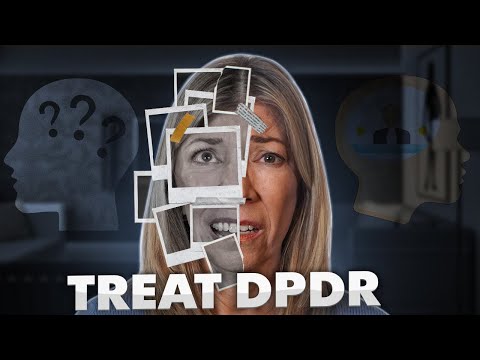
Ever feel like you’re watching your life through a foggy window? Like, things seem real but also a bit… off? That’s derealization for you. It’s a trip, and not the fun kind.
This blog provides content for informational, educational, and reflective purposes only. The information published here does not constitute medical, psychological, or psychiatric advice, and it does not replace the evaluation, diagnosis, treatment, or individualized guidance of a properly licensed professional. If you believe you may be experiencing a psychological or health-related issue, consult a qualified professional as soon as possible before making important decisions about your well-being. Do not self-medicate or start, stop, or change medications, therapies, or treatments on your own. While we aim to provide useful and accurate information, we do not guarantee that it is complete, current, or suitable for every situation. Your use of this content is at your own risk, and reading it does not create a professional, clinical, or therapeutic relationship with the author or this website.
Imagine you’re at a party. Everyone is laughing, music is pumping, but you feel kinda disconnected. You see people moving and talking, but it’s like they’re characters in a movie rather than real-life friends. Yeah, that’s the vibe.
It can be super unsettling and lonely. You wanna shake it off but don’t know how. So what do you do? There are ways to tackle these symptoms head-on—different psychological approaches that can really help bring you back into your world.
Ready to uncover some strategies to make that fog lift? Let’s dive into this journey together!
Understanding Derealization: Unpacking the Psychology Behind This Disturbing Experience
Derealization can feel pretty disorienting, like you’re living in a dream or a movie. It’s that strange sensation where you feel detached from your surroundings, almost like your life is on pause. You might look at everything around you and think, “Is this real?” It’s unsettling, and that’s putting it lightly.
So, let’s unpack what derealization actually means. It often pops up as part of anxiety or trauma responses. Imagine being at a crowded party but feeling like you’re watching it all from the outside. You hear the laughter and music, yet it feels so far away—almost like you’re observing through a glass wall.
Psychological Approaches to Treating Derealization Symptoms
The cool thing is that there are different ways to tackle those feelings of unreality. A few common approaches are:
Reading about derealization always reminds me of a friend who experienced it after a tough breakup. She’d walk around her neighborhood and say everything felt “off.” The trees seemed surreal; even her own reflection didn’t seem like her anymore. Together we worked on some grounding techniques—like noticing the feeling of grass underfoot or focusing on sounds around us—and little by little, she started reconnecting with reality.
Medication Options
While therapy plays a huge role, sometimes medications come into play too. Some people find that anti-anxiety meds or antidepressants can reduce intensity of symptoms. But remember—they don’t fix everything overnight.
Support Systems
Talking about what you’re going through is essential! Friends or groups who get it can do wonders for managing derealization symptoms. Hearing someone else share their story can legit make you feel less alone.
At the end of the day, if these feelings pop up frequently in your life—or if they’re just plain bothering you—talk to someone who gets it—a therapist could be such a game changer! There are ways through this foggy feeling; it just takes some patience and support along the way.
Exploring Effective Psychological Treatments for Dissociation: A Comprehensive Guide
Dissociation can feel like a strange fog that separates you from reality. It’s like watching life through a glass window—it’s there, but you’re not really part of it. You might have heard of derealization, where everything around you feels unreal. It’s unsettling, to say the least. Luckily, there are several effective psychological treatments that can help bring you back to solid ground.
Cognitive Behavioral Therapy (CBT) is one of the go-to approaches for addressing dissociation. This therapy helps you recognize and change negative thought patterns. With CBT, you’ll learn techniques to challenge irrational beliefs about your experiences. Maybe you think “I’m losing my mind” when feeling disconnected? CBT would encourage you to reframe that thought and understand it’s just a symptom, not your whole reality.
Another powerful method is Dialectical Behavior Therapy (DBT). It was originally created for borderline personality disorder but has been shown to help people dealing with dissociation as well. DBT focuses on mindfulness and emotional regulation. By teaching you how to stay present and manage overwhelming emotions, it helps reduce the frequency of dissociative episodes. Imagine being able to feel those big feelings without drifting away!
Let’s not forget about Eye Movement Desensitization and Reprocessing (EMDR). Though usually associated with trauma-based therapy, EMDR can be beneficial for derealization symptoms too. This therapy uses guided eye movements while recalling distressing memories, helping your brain process them in a healthier way. It might feel odd at first—like juggling while trying to remember your first day at school—but hey, people often find it surprisingly effective.
Mindfulness-Based Therapies are also worth mentioning. These techniques encourage you to focus on the present moment without judgment—like sitting by a river and just watching the water flow by. Being mindful can ground you when those feelings of unreality creep in.
Then there’s Exposure Therapy, which may sound intimidating but is all about gradual exposure to triggers in a safe environment. The idea here is that repeated exposure can lessen the fear associated with those triggers over time. So if certain situations make you feel disconnected, this approach can help desensitize those reactions.
Of course, everyone’s experience with dissociation is different—there’s no one-size-fits-all treatment out there! That’s why it’s essential to work closely with a therapist who understands what you’re going through and can tailor these therapies to fit your unique needs.
If you’re feeling lost in all this or unsure where to start, reach out for help! Talking about what you’re experiencing is crucial—you don’t have to face it alone. Connecting with someone who gets it can make all the difference as you navigate through these foggy experiences toward brighter days ahead!
Understanding How Cognitive Behavioral Therapy (CBT) Alleviates Depersonalization Symptoms
Cognitive Behavioral Therapy, or CBT, is like a flashlight in the dark when you’re wading through feelings of depersonalization and derealization. These experiences can leave you feeling disconnected from yourself or your surroundings, almost as if you’re watching your life on a screen. It can be super unsettling, right? But CBT has some solid tools to help make sense of it all.
First off, CBT helps you identify and challenge negative thought patterns. You know how sometimes your brain spirals into weird thoughts? Like, “Am I even real?” or “Is this really happening?” Well, with CBT, you learn to recognize those thoughts for what they are—just thoughts—and not facts. By questioning them, you actually start to loosen their grip on your mind.
Another important piece is the focus on the present moment. A lot of time in depersonalization or derealization, people feel stuck in their heads. It’s like being trapped. CBT introduces techniques like grounding exercises that pull you back into reality. For example, focusing on what you see around you—like the colors in a painting or the feel of grass under your feet—can bring that sense of connection back.
Behavioral experiments are also part of CBT’s toolkit. This might sound a bit fancy, but it’s simply about trying out new behaviors to see what happens. Picture this: if you’re avoiding social situations because they feel surreal, CBT encourages you to gradually expose yourself to those environments again. You’d go bit by bit—maybe starting with a quick coffee run—and track how it feels afterward.
Another angle is learning about the body-mind connection through things like mindfulness practice. When someone feels depersonalized, their body might feel distant too—like an observer instead of active participant. Mindfulness exercises can help reconnect those feelings by focusing on bodily sensations and breathing patterns.
A big advantage of CBT is that it’s usually structured and goal-oriented. You set small goals together with your therapist so that every step forward feels meaningful and achievable. That little sense of progress can be super uplifting—you know?
I once heard about someone who struggled with these symptoms after a particularly stressful life event—a friend passing away unexpectedly left them feeling detached from their own emotions and memories. Through consistent work in CBT sessions, they learned how to slowly re-engage with life—funny enough, by celebrating small wins like enjoying a meal without feeling like there was glass between them and everyone else.
Lastly, it’s essential to mention self-compassion. Often when we experience depersonalization symptoms, we might get frustrated or anxious about them—which only makes things worse! CBT emphasizes treating yourself kindly during these moments: reminding yourself it’s okay to feel disconnected sometimes; it doesn’t define who you are as a person.
In summary, understanding how CBT alleviates symptoms related to depersonalization involves challenging negative thoughts, putting focus on the present moment through grounding techniques and mindfulness activities, engaging in behavioral experiments for gradual exposure back into normal situations, setting achievable goals with your therapist while practicing self-compassion throughout this journey. This approach creates pathways that help rebuild connections—to yourself and ultimately back into the world around you!
You know, derealization can be a pretty unsettling experience. It’s like you’re going through life and everything feels fuzzy or surreal, as if you’re watching a movie instead of living it. I remember a friend telling me about a time when he was walking in a park, and the trees looked completely off—like they were made of cardboard or something. He described it as if he was floating above everything. Honestly, that feeling can be really disorienting and frightening.
When it comes to treating derealization symptoms, there are several psychological approaches that might help—some of which you might find surprisingly relatable. One common method is cognitive-behavioral therapy (CBT). You see, with CBT, the idea is to help you recognize and challenge those weird thoughts or beliefs that contribute to the feelings of unreality. It’s all about working on the connection between your thoughts, feelings, and behaviors. So your therapist might help you reframe those unsettling thoughts into something more manageable.
Another approach is mindfulness-based therapy, which encourages you to stay grounded in the present moment. Imagine focusing on your breath or noticing the sensation of your feet on the ground—it’s like bringing yourself back down from that floaty feeling! Mindfulness helps reduce anxiety and connects you back to reality in a gentle way.
Then there’s exposure therapy. It sounds intense, right? But it can actually be super effective for derealization. Essentially, it’s about slowly confronting situations that trigger these feelings—like being in crowded places or having conversations with people—until they become less overwhelming.
The thing is, every person’s experience with derealization is unique. What works for one person may not work for another; and sometimes just talking about it with someone who gets it can make all the difference.
Ultimately, finding your way through those surreal moments can take time and patience. Just remember—you’re not alone in this weird world where things feel off sometimes. The journey to recovery is yours to navigate!