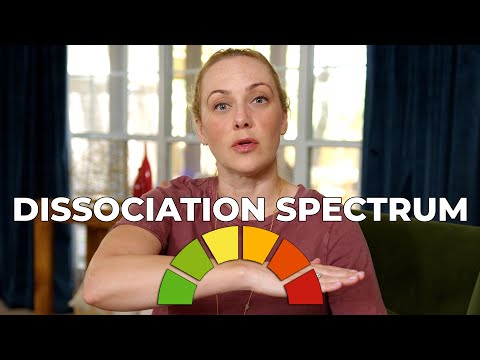
You know those times when your mind just feels… off? Like you’ve spaced out, but you’re still kinda there? Yeah, that’s what we call a dissociative state.
This blog provides content for informational, educational, and reflective purposes only. The information published here does not constitute medical, psychological, or psychiatric advice, and it does not replace the evaluation, diagnosis, treatment, or individualized guidance of a properly licensed professional. If you believe you may be experiencing a psychological or health-related issue, consult a qualified professional as soon as possible before making important decisions about your well-being. Do not self-medicate or start, stop, or change medications, therapies, or treatments on your own. While we aim to provide useful and accurate information, we do not guarantee that it is complete, current, or suitable for every situation. Your use of this content is at your own risk, and reading it does not create a professional, clinical, or therapeutic relationship with the author or this website.
It can be like zoning out during a long meeting or even feeling detached from your own body. Weird, right? But it happens to a lot of people, and it’s more common than you think.
Dissociation can range from mild daydreaming to something a bit more intense. It might sound confusing, but trust me, there’s a lot to unpack here.
So let’s chat about what these states are all about—how they show up, why they happen, and how they fit into the bigger picture of mental health. Sound good?
Understanding Dissociative Disorder: Symptoms, Causes, and Effective Treatment Options
Dissociative disorders can be a bit, well, mind-bending. They often appear when someone is trying to cope with stress or trauma, and they can mess with your sense of reality. So, let’s break it down together.
First off, dissociation is all about *feeling disconnected* from yourself or your surroundings. It’s like you’re watching your life play out from the sidelines instead of being in the front row. This can sound confusing, but stick with me.
**Symptoms** of dissociative disorders can vary widely. You might experience:
- Depersonalization: Feeling detached from your own body—like you’re outside looking in.
- Derealization: The world around you feels unreal or foggy.
- Memory loss: Important personal information just vanishes, usually related to trauma or stress.
- Identity confusion: Struggling with who you are or feeling like you have multiple identities.
Imagine Sarah: after a horrible car accident, she started having these moments where she couldn’t remember her own name. One minute she felt like Sarah; the next, she was someone else entirely. Scary stuff…
Now let’s chat about what *causes* these dissociative states. Often, they’re rooted in severe trauma—especially during childhood. This could include abuse, neglect, or being in scary situations. The mind tries to protect itself by zoning out when things get too rough.
So that leads us to treatment options. You might be thinking they could be complex because of how personal these experiences are. But hang tight!
Effective treatments typically include:
- Therapy: Especially types like cognitive-behavioral therapy (CBT) and eye movement desensitization and reprocessing (EMDR). These help process those painful memories.
- Medication: While there’s no specific drug for dissociative disorders, antidepressants or anti-anxiety meds might help.
- Treatment for underlying trauma: Sometimes it helps to address what caused the dissociation in the first place.
Think about John: after months in therapy working through his childhood trauma, he finally began to feel more present and connected with his feelings again.
It’s important to remember that recovery is a journey—it won’t happen overnight! But with the right help and support from therapists and loved ones, people with dissociative disorders can learn how to manage their symptoms and find their way back to living their lives fully.
So if you or someone you know is struggling? Reaching out for help isn’t just brave; it’s one of the best things you can do!
Understanding Dissociative Amnesia: Causes, Symptoms, and Treatment Options
Dissociative amnesia can be a pretty confusing topic, so let’s break it down together. Basically, it’s a type of memory loss that’s not caused by anything physical like a head injury. Instead, it happens when your brain decides to cut off certain memories—usually tied to distressing events. You know those moments where you wish you could just forget something? Well, that’s kind of what’s going on here, but way more intense.
Causes of dissociative amnesia often link back to trauma or stress. Think of someone who’s experienced a major accident or a really tough situation, like losing a loved one. These experiences can create such overwhelming emotions that the mind just tucks them away into some hidden part.
Now for the symptoms. Someone with dissociative amnesia might forget personal information like their name or significant life events. It isn’t just forgetting where you left your keys; it’s more akin to waking up one day and having no clue why you’re in a certain place or what happened in your life for months or even years. It’s like being in a fog that doesn’t clear up easily, which can make everyday life pretty challenging.
When it comes to treatment options, there are some avenues we can explore. Therapy is often the go-to choice for dealing with dissociative amnesia:
- Cognitive Behavioral Therapy (CBT): This approach helps change negative thought patterns and behaviors linked to trauma.
- Eye Movement Desensitization and Reprocessing (EMDR): This technique is especially useful for trauma and helps process distressing memories.
- Supportive Therapy: Sometimes just having someone listen does wonders! Support groups provide connection and understanding.
Some people may also benefit from medication if they’re dealing with anxiety or depression along with the amnesia, but that totally depends on individual cases.
It’s crucial to remember that recovery takes time; there are no quick fixes here. Reconnecting with lost memories can feel scary at first, kind of like opening an old box filled with dusty photos from your childhood—you’re not quite sure what you’ll find inside.
So if you ever find yourself struggling with these kinds of experiences—or know someone who is—it’s definitely worth reaching out for help. You don’t have to go through this alone!
Understanding Different Types of Dissociative Disorders: A Comprehensive Guide
Dissociative disorders can be a bit tricky to wrap your head around. Let’s break them down, shall we? At their core, they involve a disconnection between thoughts, identity, consciousness, and memory. Basically, something happens that makes you feel detached from yourself or your surroundings. This can lead to some pretty confusing experiences.
Dissociative Identity Disorder (DID) is the most commonly known type. Formerly called multiple personality disorder, DID involves two or more distinct identities or personality states. It’s like having different versions of yourself that can take control at different times. For folks with DID, these identities may have their own memories and behaviors. Imagine being at a party one moment and then suddenly finding yourself in a completely different place without any memory of how you got there—that’s part of the struggle.
Then there’s Dissociative Amnesia. This isn’t just forgetting where you left your keys; it’s about losing memories typically tied to traumatic events or personal information. Sometimes people forget things for days or even longer, which can be super unsettling. You might go through a major life event but have no recollection of it afterward. It’s kinda like hitting the reset button in your brain on certain aspects of your life.
Another type is Dissociative Fugue. This one’s a wild card! People with this disorder actually travel away from home and might adopt a new identity without having any clue about their past life. Imagine waking up one day in another state with no recollection of how you got there—it sounds like something out of a movie but for some people, it’s reality.
Then we’ve got Depersonalization/Derealization Disorder. This one’s more about feeling detached rather than losing time or identity. You know those moments when you feel like you’re watching yourself from outside? That’s depersonalization! And derealization is when the world feels unreal, almost like you’re living in a dream. Both can be pretty disorienting and are usually linked to anxiety or stressful situations.
So why do these disorders happen? Well, they’re often rooted in trauma—be it physical abuse, emotional neglect, or other distressing experiences during childhood. Your mind kinda steps back as a protective mechanism when faced with intense stressors.
In therapy settings, various approaches can help treat these disorders. Talk therapy is common because it allows individuals to process their feelings and memories safely over time. Some might also benefit from medication for anxiety or depression if those are issues on top of the dissociation.
Living with dissociative disorders can feel really isolating and confusing for those affected—and it might take time to find the right support system that understands what they are going through. Each experience is unique; while some may find relief through therapy quickly others may need more time to explore these complex layers within themselves.
To sum up: dissociative disorders involve significant disruptions in memory and identity—it’s serious stuff that demands understanding and compassion from both friends and professionals alike!
Dissociative states can feel like you’re living in a movie. One minute, everything’s real and vivid, and the next, it’s like you’ve hit pause or someone has turned down the volume. Imagine being at a family gathering where everyone is laughing and sharing stories, but you just feel… detached. You’re there physically but mentally? It’s like watching from behind glass.
So, what exactly are these dissociative states? Well, basically they happen when your mind kind of steps away from the current experience. It can be a protective mechanism that kicks in during stress or trauma—like an emotional safety net. You might hear people talk about dissociation as feeling “ spaced out” or having gaps in their memory. It’s not just daydreaming; it can be much more intense and distressing.
There are different types of dissociative experiences. Some folks might encounter depersonalization—feeling disconnected from themselves as if they’re observing their own life from outside. Others might face derealization, where the world feels unreal or foggy—everything is there but somehow just… off? Then there are more severe forms like Dissociative Identity Disorder (DID), where someone may have distinct identities as a way to handle trauma.
I remember chatting with a friend who went through some really tough stuff growing up—not an easy childhood at all. They described times when they couldn’t remember entire events because their brain had just shut down to avoid the pain. It was heartbreaking to hear how those moments would sneak up on them later in life, causing confusion and anxiety.
These experiences aren’t just “in someone’s head.” They can manifest physically too—like feeling numb or having trouble with coordination. That’s why understanding dissociative states is crucial for mental health care providers; it helps paint a fuller picture of what someone might be going through.
Healing from dissociation often requires compassionate therapy approaches—trauma-informed care is key here. This means creating safe spaces for people to explore their feelings without fear of judgment, helping them reconnect with parts of themselves that they may have felt lost for a long time.
In sum, while dissociative states can be bewildering and painful, recognizing them is an important step toward understanding our mental landscape better—because every part of our experience matters in the journey toward healing.