Okay, so picture this. You’re just chillin’, minding your own business, and suddenly, everything looks… weird. Like a TV with bad reception. You see this grainy stuff flickering all around. That’s visual snow for you.
This blog provides content for informational, educational, and reflective purposes only. The information published here does not constitute medical, psychological, or psychiatric advice, and it does not replace the evaluation, diagnosis, treatment, or individualized guidance of a properly licensed professional. If you believe you may be experiencing a psychological or health-related issue, consult a qualified professional as soon as possible before making important decisions about your well-being. Do not self-medicate or start, stop, or change medications, therapies, or treatments on your own. While we aim to provide useful and accurate information, we do not guarantee that it is complete, current, or suitable for every situation. Your use of this content is at your own risk, and reading it does not create a professional, clinical, or therapeutic relationship with the author or this website.
It sounds kinda wild, right? But it’s a real thing that people experience, and it can mess with your head more than you’d think.
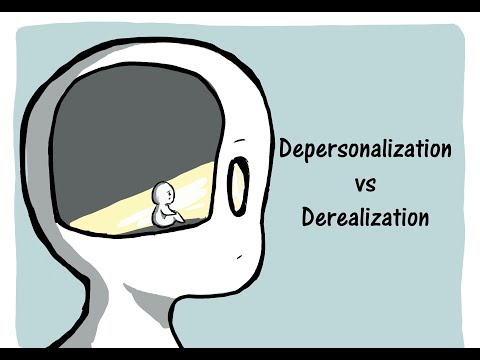
And then there’s depersonalization. It feels like you’re watching your life through a glass wall—like you’re not really in the moment. Super unsettling!
So, let’s chat about how these two experiences connect in the mental health world. It might help shed some light on what you or someone you know might be going through.
Understanding Visual Snow Syndrome: Symptoms, Causes, and Coping Strategies
Visual Snow Syndrome is one of those things that can make you feel like you’re living in a weird dream. You know when you watch an old TV show, and the picture is all fuzzy? That’s kind of what it’s like for people dealing with this condition. It’s like seeing static or “visual noise” in your day-to-day life, where everything becomes a bit hazy.
Symptoms are pretty distinctive. Most people report seeing constant flickering dots, or what feels like a “snowy” overlay on their vision. It can be super annoying and overwhelming. Some might also experience other visual disturbances, like lights appearing way too bright, afterimages, or even difficulty focusing on objects. Imagine trying to read a book while someone’s throwing confetti at your eyes—that’s how frustrating it can be.
Now, about the causes. Honestly, researchers are still scratching their heads over why this happens. Some believe it could be linked to issues with how the brain processes visual information. There are theories suggesting it might come from migraines or similar conditions—but nothing is set in stone yet. Some folks even report feeling symptoms alongside depersonalization or derealization, which can make everything feel off-kilter and surreal.
So how do you cope with this? Well, there isn’t really a one-size-fits-all remedy here, but there are some strategies that people find helpful:
- Stress Management: High stress often makes symptoms worse. Techniques like meditation or mindfulness can help calm the mind.
- Avoiding Triggers: Keep an eye out for things that seem to spark those annoying symptoms—bright lights? Certain screens? Try to minimize your exposure.
- Talking It Out: Sometimes just discussing what you’re experiencing with a mental health professional can provide relief and support.
- Visual Aids: Sunglasses or blue-light glasses might help reduce glare from screens and harsh lighting.
I once met someone who described their experience with Visual Snow Syndrome as being stuck in a static-filled world while everyone else seemed to enjoy crystal-clear views. They told me about how overwhelming it was at times; simple tasks felt monumental when compounded by constant visual interference.
It’s tough not knowing exactly what causes this condition or having a definitive treatment plan. But connecting with others who get it and learning coping strategies can sometimes help reclaim a sense of normalcy amidst the chaos of visual snow. So yeah, if you’re feeling off because of this syndrome—know that you’re not alone in this quirky struggle!
Effective Treatments for Visual Snow Syndrome: What You Need to Know
Visual Snow Syndrome is one of those conditions that can really mess with your daily life. Imagine trying to focus on something, and there’s this constant static or flickering in your vision, like an old TV set that can’t quite tune in. It’s disorienting, frustrating, and honestly, not a lot of people know about it. But don’t worry; help is out there.
So what exactly is Visual Snow? Well, it’s a neurological condition characterized by a persistent “snowy” visual disturbance. This could be accompanied by other symptoms like light sensitivity or afterimages. For some folks, it can even lead to feelings of depersonalization—like everything around them feels unreal. That can be really tough to deal with!
Effective Treatments for Visual Snow Syndrome focus primarily on managing symptoms since there’s no definitive cure just yet. Here are a few approaches that have shown some promise:
There’s also emerging research looking into other treatments like neuromodulation therapies. These include things like transcranial magnetic stimulation (TMS), which may help by altering brain activity through magnetic fields.
Now let’s chat about that feeling of depersonalization. Sometimes when you’re constantly experiencing strange visual disturbances, it can create this sensation where you feel detached from yourself or your surroundings. You might be sitting right there but feel completely disconnected from your body or reality itself.
In these cases, it’s essential to address both the visual snow and any associated mental health struggles together. A therapist who understands both conditions could provide you with coping strategies tailored specifically for your experience.
For example, practicing mindfulness and grounding techniques may help anchor you back into reality when depersonalization hits hard. This means focusing on what you can see, hear, or touch—the present moment—and reminding yourself that you’re safe.
Remember though: if you’re grappling with these sensations alone, it’s critical to seek professional support from a healthcare provider specializing in these areas.
Dealing with Visual Snow Syndrome is undeniably challenging; it changes how you perceive the world all around you! Yet through careful management of both the visual disturbances and accompanying mental health aspects, many people find ways to live fulfilling lives despite their experiences—and that’s seriously inspiring!
Understanding Visual Snow Syndrome and Its Connection to Depersonalization: A Deep Dive into Mental Health
Visual Snow Syndrome (VSS) is a pretty rare condition that can really mess with your everyday life. Imagine looking at a clear blue sky, but instead of just blue, you see tiny flickering dots everywhere—like an old TV screen that won’t quite tune in. Those are the *visual snow* symptoms. Now, it’s not just an annoying quirk; it can lead to significant distress and impact mental health.
So what’s the connection between visual snow and something like depersonalization? Well, both conditions can create feelings of disconnection from reality. Depersonalization is when you feel detached from your body or thoughts. For example, you might feel like you’re watching yourself in a movie instead of actually living your life. It’s that eerie sensation that makes everything feel unreal.
Now, here’s the kicker: people with Visual Snow Syndrome often report experiencing depersonalization as well. They might start to see their surroundings differently because of the constant visual disturbances, which can trigger those feelings of being disconnected or not fully present in their own lives.
Let’s break this down a bit:
- Visual Symptoms: People with VSS usually see persistent white noise or flickering dots in their vision, which don’t go away.
- Mental Load: This overwhelming visual input can heighten anxiety levels and exacerbate feelings of unreality.
- Emotional Impact: Individuals often describe feelings of dread or panic when experiencing both conditions together.
Imagine someone trying to focus on work while this visual snow keeps dancing across their eyes. It wouldn’t just be distracting—it could even send them spiraling into anxiety about whether they’re losing touch with reality. That’s seriously tough to handle.
There aren’t many well-known treatments specifically for VSS yet, which adds to the frustration for those dealing with it. Some folks find relief through medications targeting anxiety or depression since managing those emotions can help somewhat alleviate symptoms—though it’s not guaranteed.
But here’s where it gets tricky: since both conditions often intertwine, treatment becomes a balancing act. If you manage the visual symptoms but still feel disconnected emotionally—not fun! Therapy might help as well—particularly approaches focused on mindfulness and grounding techniques. These strategies remind you that you’re present and real, even if your vision feels chaotic.
Anecdotally speaking, I had a friend who struggled with VSS along with episodes of depersonalization during stressful periods. She once told me how standing outside felt surreal during one of her worst moments; she could see the world around her but nothing felt solid or right—it was all just too much noise and confusion buzzing around her mind.
For anyone feeling this way or dealing with similar symptoms: you’re definitely not alone in this experience! Finding support groups online has helped many connect with others sharing similar experiences—which definitely provides some comfort.
Ultimately, understanding how Visual Snow Syndrome ties into experiences like depersonalization sheds light on how complex our brains really are. Both conditions highlight how our minds interact with our perceptions and feelings about reality itself. And navigating this maze is tough—really tough—but awareness is always a step forward!
Visual snow and depersonalization are two experiences that can feel pretty wild and confusing if you’re dealing with them. They don’t always float around together, but when they do, it’s like your brain’s throwing a weird party without telling you. I mean, you know? It’s like one minute you’re sipping coffee, and the next, everything’s out of focus or feels unreal.
I remember a friend of mine who had both these things happening at once. One day we were hanging out watching movies, and suddenly she was like, “Uh, is it just me or does everything look like it’s wrapped in static?” That visual snow had her seeing this constant flickering that made it hard to concentrate on the plot…or anything for that matter. To add to the mix, she started feeling disconnected from herself—as if she was watching life from outside her body. Talk about trippy.
Visual snow is this rare phenomenon where you see tiny flickers or spots in your vision all the time, kinda like a TV set with poor reception. Seriously frustrating! It can mess with your daily life in ways you wouldn’t even imagine. Then with depersonalization, it’s all about feeling detached from reality or yourself—it can feel like you’re in a dream or just kind of floating through life without really being present.
Now, when we put these two together in mental health contexts—it can be downright scary for people. Imagine trying to explain to someone why your reality feels different, and they just stare at you blankly as if you’re speaking another language. For folks struggling with anxiety or trauma-related issues, these experiences become even more intense—like adding fuel to an already roaring fire.
It’s important people understand that there’s help out there if they’re dealing with this stuff. Talking about it can feel awkward but getting support—whether through therapy or connecting with others who get it—can spark some relief.
You know what? No one should navigate this alone; reaching out makes a world of difference. Just remember: You’re not alone in feeling odd; navigating what seems “real” may take time and patience but finding ways to cope could open doors other than confusion or fear—even if those doors seem pretty far away right now.