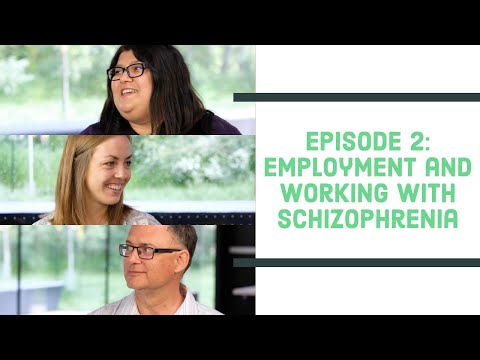
You know, finding a job can be tough for anyone, but if you’re dealing with schizophrenia, it can feel like a whole other level of challenging. Like, seriously. It’s not just about getting hired; it’s also about feeling understood and supported in the workplace.
This blog provides content for informational, educational, and reflective purposes only. The information published here does not constitute medical, psychological, or psychiatric advice, and it does not replace the evaluation, diagnosis, treatment, or individualized guidance of a properly licensed professional. If you believe you may be experiencing a psychological or health-related issue, consult a qualified professional as soon as possible before making important decisions about your well-being. Do not self-medicate or start, stop, or change medications, therapies, or treatments on your own. While we aim to provide useful and accurate information, we do not guarantee that it is complete, current, or suitable for every situation. Your use of this content is at your own risk, and reading it does not create a professional, clinical, or therapeutic relationship with the author or this website.
Imagine juggling symptoms while trying to prove yourself in an interview. That can be super overwhelming, right? But here’s the thing: there are options out there!
It might take some digging and a bit of creativity, but employment is totally possible. And who knows? The right job could make all the difference in how you feel about yourself. Let’s chat about some paths you can explore!
Exploring Employment Opportunities for Individuals with Schizophrenia: Where Can They Thrive?
Finding a job can be tough for anyone, but for individuals with schizophrenia, it often feels like an uphill battle. The thing is, there are plenty of opportunities out there where these individuals can really shine. Let’s take a closer look at some employment options that might be a great fit.
Supported Employment programs are specifically designed to help those with mental health conditions. These programs offer personalized assistance, like job coaching and ongoing support, which makes it easier to find and keep a job. You know, having someone in your corner can really boost your confidence when starting something new.
Another avenue worth exploring is part-time or flexible jobs. Working fewer hours can relieve some stress and allow for the management of symptoms. For example, roles in retail or food service might let you ease into social situations without full-time pressure. Plus, you might even enjoy the interactions!
Remote work has been on the rise, especially since the pandemic shook things up a bit. Many companies now offer virtual positions that can be done from home. This means less social anxiety about commuting or interacting face-to-face daily. Jobs in writing, data entry, or tech support could be solid options here.
Then there’s self-employment. If you’ve got a skill or hobby you’re passionate about—like graphic design or crafting—you could turn that into a little business! It gives you control over your schedule and work environment, which is super important when managing mental health.
Don’t overlook nonprofit organizations. They often have programs that focus on hiring individuals with disabilities, including mental health conditions. Working in these supportive environments can make a real difference in feeling understood and accepted.
Lastly, think about volunteering. While it’s not paid work, volunteering can build up your skills and confidence while connecting with others. It’s also an excellent way to potentially get hired later since many organizations like to bring on volunteers as employees if they fit well into the team.
Remember, every individual’s journey is different. What works wonders for one person might not suit another at all—and that’s totally okay! The key is finding something that aligns with both your abilities and comfort levels while ensuring ongoing support if needed.
In short, opportunities are out there! With the right resources and support systems behind you—or someone cheering from the sidelines—you can find meaningful employment where you genuinely thrive!
Understanding Disability Qualification for Schizophrenia: A Comprehensive Guide
It’s really important to understand how disability qualification works for schizophrenia, especially if you or someone you know is navigating this. Schizophrenia is a serious mental health condition that can affect how you think, feel, and behave. When it comes to getting disability benefits, there are some crucial steps and criteria involved.
First off, the Social Security Administration (SSA) has a specific set of guidelines for qualifying for disability if you have schizophrenia. They look at how the disorder affects your daily life and ability to work. Here are some key points:
- Medical Documentation: You need solid evidence from healthcare providers showing your diagnosis. This usually includes medical records, treatment history, and any hospitalizations.
- Severity of Symptoms: The SSA wants to see how much your symptoms impact your life. This means evaluating things like social functioning, concentration, and daily activities.
- Functional Limitations: You’ll need to demonstrate that schizophrenia significantly limits your ability to perform basic work activities. This includes tasks like understanding instructions or interacting with coworkers.
Let’s talk about what qualifies as “functional limitations.” Basically, it’s about showing that you struggle with everyday tasks due to symptoms like delusions or hallucinations. For instance, if you’re having trouble focusing on tasks like answering emails or remembering appointments because of racing thoughts or paranoia, that’s critical information.
You might also want to highlight any other co-occurring conditions you face—like anxiety or depression—as they can complicate things further. The SSA will take into account everything that affects your capabilities.
Now what happens if you’re approved? Well, it can open up various employment options tailored for individuals with schizophrenia. Some people find jobs that allow flexible hours or less social interaction helpful—like working remotely in fields related to data entry or writing.
But getting through the application process can be tough! It often involves waiting a while and possibly even appealing decisions if initially denied. Many people find comfort in joining support groups during this time—connecting with others facing similar challenges can really help.
If you’re thinking about applying for disability benefits due to schizophrenia, consider consulting with a mental health professional or an advocate who specializes in these matters. They can provide guidance tailored specifically to your situation and help navigate the complex system.
This process isn’t just about getting benefits; it’s also about finding stability and paving the way toward meaningful employment options that respect your needs as someone living with schizophrenia. And know this: seeking help is a big step toward reclaiming control over your life!
Exploring Government Job Opportunities for Individuals with Schizophrenia: A Guide to Employment and Support
Finding government job opportunities can feel tricky, especially for individuals with schizophrenia. You know, it’s a challenging condition that affects how someone thinks, feels, and behaves. But with the right support and resources, many people with schizophrenia can find fulfilling work in the public sector. Let’s break it down.
First off, understanding your rights is key. The Americans with Disabilities Act (ADA) protects individuals from discrimination based on mental health conditions. This means employers need to provide reasonable accommodations if needed, which is super important for navigating a workplace.
Next up are job programs specifically designed for those with disabilities. Many government agencies have initiatives to help hire people facing mental health challenges. For example, you might want to check out the U.S. Department of Labor’s Office of Disability Employment Policy (ODEP). They provide resources and support to help you find job opportunities tailored for your needs.
Then there’s the idea of supported employment. This approach helps individuals find jobs while offering on-the-job coaching and assistance. Organizations like vocational rehabilitation agencies play a big role here by helping people develop skills and confidence necessary for the workforce.
Now, let’s talk about specific job options that might fit well:
- Clerical positions: These jobs often have a structured environment which can be helpful.
- Customer service: If you enjoy helping people and have good communication skills, this could be a good match.
- Parks or community services: Roles in these areas sometimes offer flexible hours and supportive environments.
- Administrative roles: These might suit those who thrive on organization and detail-oriented tasks.
Networking is super important too! Finding support groups—like ones through National Alliance on Mental Illness (NAMI)—can connect you with others who understand what you’re going through. They might know about job openings or even refer you to potential employers.
Additionally, some government agencies have in-house training programs. These programs are set up to train individuals with various backgrounds and challenges! Joining such programs can boost your skills while also connecting you directly to employment opportunities within those agencies.
It’s completely normal to feel overwhelmed when searching for jobs. I once had a friend who struggled with similar feelings but found success through patience and persistence. With some dedicated effort—and support—she landed a great role working with community outreach programs!
And remember; there are also various online platforms that focus specifically on jobs for individuals with disabilities. Websites dedicated to inclusive employment can ease your search process significantly!
In the end, finding job opportunities within the government as someone living with schizophrenia may take time but it is absolutely possible. With understanding your rights, utilizing available resources, and connecting with supportive communities along the way—you’ve got this!
When you think about employment options for individuals with schizophrenia, it’s crucial to remember that everyone’s experience is different. Seriously, the symptoms can vary so much from one person to another. Some folks might struggle with hallucinations or delusions, while others deal with mood issues and social anxiety. So, finding a suitable job can be really challenging, but it’s definitely possible.
Imagine someone named Alex. He was diagnosed with schizophrenia in his early twenties. At first, he felt overwhelmed by the idea of working. The thought of interacting with people while managing his symptoms was daunting. But after some time and therapy, he started looking into jobs that suited him better—ones that offered a supportive environment and understood his needs.
Options for Alex included part-time work in a quieter setting or jobs that allowed for flexible hours. It turned out that he loved working at a local library! The calm space helped him focus, and he didn’t have to deal with loud noises or a chaotic environment. That’s what we’re getting at here—the right workplace can make all the difference.
There are also various programs out there aimed at helping individuals with mental health challenges find employment. Job coaches can assist in building skills and confidence, which is super helpful! Plus, some companies are committed to hiring people from diverse backgrounds, including those dealing with mental health conditions. This trend is growing as more organizations recognize the value of inclusivity.
But let’s not forget about the importance of support systems—friends and family play an amazing role too! Encouragement from loved ones can help boost confidence when facing interviews or new tasks.
In the end, it’s all about finding what works best for each person. Employment might look different for everyone but having options is what counts! With patience, understanding, and the right resources, folks with schizophrenia can discover fulfilling work experiences that empower them into their independence journey.