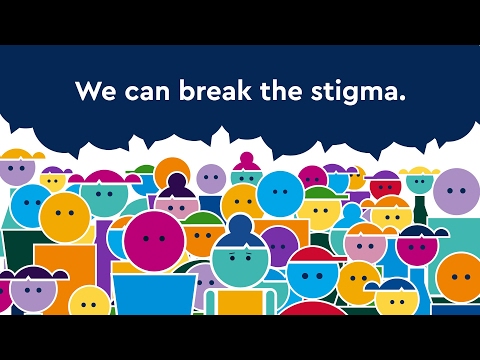
You know, schizophrenia gets a pretty bad rap. When most people hear that word, they think of horror movies or violent crimes. Seriously, it’s so unfair.
This blog provides content for informational, educational, and reflective purposes only. The information published here does not constitute medical, psychological, or psychiatric advice, and it does not replace the evaluation, diagnosis, treatment, or individualized guidance of a properly licensed professional. If you believe you may be experiencing a psychological or health-related issue, consult a qualified professional as soon as possible before making important decisions about your well-being. Do not self-medicate or start, stop, or change medications, therapies, or treatments on your own. While we aim to provide useful and accurate information, we do not guarantee that it is complete, current, or suitable for every situation. Your use of this content is at your own risk, and reading it does not create a professional, clinical, or therapeutic relationship with the author or this website.
I mean, imagine living with this condition and having the world judge you before really understanding what you’re going through. It’s rough out there!
A lot of folks don’t even know what schizophrenia really is. They confuse it with multiple personalities or other stuff. That just adds to the chaos and stigma surrounding it.
So let’s break some of that down together. Because, honestly, everyone deserves to be seen as a person first, right?
Understanding Mental Health Stigma: A Comprehensive PDF Guide
Understanding mental health stigma is a big topic, especially when we talk about conditions like schizophrenia. The thing is, stigma can really mess with how people view themselves and how they’re treated by society. So, let’s break this down a bit.
Mental Health Stigma Defined
Stigma refers to the negative attitudes or beliefs that society has towards certain groups of people. When it comes to mental health, it often means viewing those with conditions like schizophrenia as dangerous or unreliable. This isn’t just unfair; it can actually lead to serious consequences for individuals.
Why Stigma Matters
When someone is labeled because of their mental health issues, it can lead to feelings of isolation and shame. Imagine someone named Alex who’s trying to navigate life with schizophrenia. Because of the stigma attached to their diagnosis, Alex might avoid social situations or even skip out on getting treatment altogether. This only makes things worse.
Challenging Stigma Surrounding Schizophrenia
Let’s look at some ways we can work on breaking this cycle:
- Education: One of the best ways to tackle stigma is through education. When people learn about what schizophrenia really is (not just what they see in movies), they start understanding that it’s a complex condition.
- Open Conversations: Talking openly about mental health and sharing experiences can normalize these discussions. Think about how much lighter you feel when you share your struggles with a friend instead of keeping them bottled up.
- Positive Representation: Media plays a huge role in shaping perceptions. When characters with schizophrenia are portrayed accurately and positively, it helps dismantle harmful stereotypes.
- Support Systems: Building a supportive network for individuals dealing with schizophrenia encourages them to seek help without fear of judgment.
The Role of Society
Society has the power to either uplift or damage those with mental health conditions. Stigmatizing beliefs need dismantling at all levels—this includes workplaces, schools, and even family dynamics.
Think about Sarah—a young woman diagnosed with schizophrenia who feels she can’t tell her boss about her condition for fear of losing her job. If workplaces fostered understanding and support instead of skepticism, Sarah might feel safe enough to seek help without risking her livelihood.
A Personal Anecdote
I once met someone named Jamie who had been dealing with schizophrenia for years but felt completely alone in their struggle because friends had distanced themselves after learning about the diagnosis. After attending a support group where others openly shared similar experiences, Jamie felt lighter—like a weight had been lifted off their shoulders.
The Path Forward
Breaking down stigma isn’t easy, but every small step counts! Whether it’s advocating for better representation in media or simply being kind and understanding toward someone you know who struggles—each action makes a difference.
Let’s remember that everyone deserves acceptance and compassion regardless of their personal battles. After all, we all have our own challenges, right? So why not support each other?
Understanding Mental Health Stigma: Real-Life Examples and Their Impact
Mental health stigma is like that annoying shadow that follows you around, casting doubt and fear on something that shouldn’t be feared. When we talk about mental illnesses, especially serious ones like schizophrenia, the stigma can really hit hard. It’s not just a word or a thought; it’s like an invisible barrier that affects how people see themselves and how society views them.
Schizophrenia is often misunderstood. People might think of it as something scary or dangerous because of what they see in movies or hear from friends. But look, the truth is, most people with schizophrenia aren’t violent or out of touch with reality; they just have a different way of experiencing the world. That misunderstanding creates barriers.
Imagine you’re someone who has been diagnosed with schizophrenia. You want to share your experience but hesitate because you’ve heard friends whisper things like “crazy” when discussing mental illness. You keep it bottled up because you fear losing relationships or opportunities at work. This fear can lead to feelings of isolation and shame, which just makes everything worse.
Now let’s dig into some real-life examples that highlight this stigma:
- Employment Challenges: Picture John, an engineer diagnosed with schizophrenia. He manages his symptoms well but worries that disclosing his condition will cost him his job. This leads him to hide his diagnosis, which impacts his mental health negatively.
- Social Exclusion: Then there’s Sarah, who struggles to make friends after her diagnosis became public knowledge. People avoid her thinking they might “catch” something bad by being too close. It’s heartbreaking because she just wants connection.
- Accessing Care: Take Mike’s story—he avoided seeking help after feeling judged by a healthcare provider who mentioned his “condition” in passing as if it were an embarrassment. This kind of stigma keeps people from getting the help they really need.
The impact is profound—not just on individuals but on communities too. Stigma leads to fewer conversations about mental illness and perpetuates misinformation. People don’t discuss their struggles; they suffer in silence instead.
You might wonder what we can do about this stigma? Well, honestly? Education is key! When people learn more about mental health conditions like schizophrenia—how they manifest and how to support someone living with them—they start seeing individuals rather than labels.
Challenge those stereotypes wherever you see them! Share stories that empower rather than stigmatize; advocate for open conversations around mental health issues in your community or workplace.
To sum things up: the struggle against mental health stigma is ongoing and requires all of us to pitch in. By breaking down barriers through understanding and compassion, we can create a world where everyone feels safe enough to express their reality without fear of judgment or exclusion—and that’s truly powerful!
Breaking the Silence: How Media Portrayals Fuel Stigma Surrounding Schizophrenia
Schizophrenia is a severe mental health condition that affects how a person thinks, feels, and behaves. It’s often misunderstood, and unfortunately, the media can really mess with people’s perceptions. You know the stereotypes—like violent criminals or people who talk to themselves in public. These portrayals can be pretty damaging. They not only create fear but also reinforce stigma.
Look around at movies and TV shows. When a character has schizophrenia, they’re usually depicted as unstable or dangerous. This makes it hard for folks living with this condition to be seen as what they really are: individuals with strengths, struggles, and everyday lives. The thing is, most people with schizophrenia aren’t violent. In fact, they’re more likely to be victims of violence rather than perpetrators.
So here are some key points:
- Fear and Misinformation: Media often sensationalize symptoms like hallucinations or delusions without explaining them properly.
- Lack of Representation: There are very few authentic voices from people living with schizophrenia in mainstream media.
- Polarizing Narratives: Stories tend to focus on extremes rather than the average experience of someone managing their condition.
You ever see an article that talks about someone having a mental breakdown? It’s typically exaggerated for shock value. That kind of dramatization just feeds into fear-mongering. When people don’t understand what schizophrenia is actually like—like the challenges or even the triumphs—it creates a major gap between reality and perception.
Take Sarah’s story: she was diagnosed with schizophrenia in her early twenties. She’s had her ups and downs—hospital visits, therapy sessions—but she also graduated college and enjoys painting on weekends. However, when Sarah tried to share her story online, she found herself drowned out by others sharing horror stories about “crazy” individuals committing crimes. That made her feel like she was fighting an uphill battle against stigma.
The media’s approach can make it harder for people experiencing schizophrenia to seek help or even talk about their struggles without fear of judgment. It’s not just about fearing how they’ll be viewed but also how it affects their relationships—the anxiety over being seen as “different.”
The good news? Things are slowly changing! More films and documentaries now aim for authenticity by featuring real stories from those affected by mental illness. But there’s still a long way to go!
In short? If we want to break the silence around schizophrenia and tackle that pesky stigma, we need better portrayals in media that reflect reality—not just dramatizations based on misconceptions. More understanding could lead to more empathy—and that’s something we could all use more of these days!
You know, stigma is a weird beast. Like, it’s everywhere but somehow feels invisible until it’s right in your face. Take schizophrenia, for example. It’s one of those mental health conditions that really suffers from misunderstanding and fear. People often have these wild ideas about what it means to live with it, and that can be super damaging.
I once met someone named Alex at a mental health support group. He was honest about his struggles with schizophrenia. The first time he shared his story, I was sitting there thinking how brave he was. Like, he talked about the symptoms he faces daily—not just the hallucinations or delusions, but also the isolation that comes from being misunderstood. His vulnerability made me realize how powerful it is to break down those walls of ignorance.
Many people think that if someone has schizophrenia, they must be dangerous or completely out of touch with reality. But let me tell you, that’s just not true. Most folks living with this condition are more scared than anything else. They’re trying to navigate their world while dealing with misconceptions from society that paint them as monsters instead of individuals who need support and empathy.
Challenging this stigma means putting in the effort to learn and educate ourselves about mental illness—not just reading articles or textbooks but listening to real stories like Alex’s. When we share these narratives, we help humanize those affected by schizophrenia; we show they are more than just their diagnosis.
And honestly? It’s pretty wild how much a simple conversation can change things. If more people stepped up to talk openly about mental health—like they do with physical health—we might start building a society where understanding replaces fear and compassion overrides judgment.
So yeah, let’s keep pushing for change—because everyone deserves to feel safe and understood in their own skin without being labeled or judged harshly because of something they deal with every day.