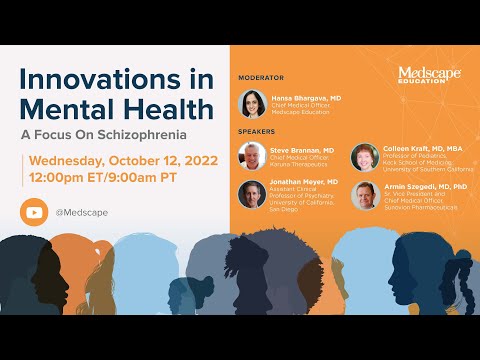
You know, schizophrenia can feel like this big, scary topic. Like, people hear the word and they instantly think of movies or stories that make it sound super dramatic. It’s like, wait a second—there’s so much more to it.
This blog provides content for informational, educational, and reflective purposes only. The information published here does not constitute medical, psychological, or psychiatric advice, and it does not replace the evaluation, diagnosis, treatment, or individualized guidance of a properly licensed professional. If you believe you may be experiencing a psychological or health-related issue, consult a qualified professional as soon as possible before making important decisions about your well-being. Do not self-medicate or start, stop, or change medications, therapies, or treatments on your own. While we aim to provide useful and accurate information, we do not guarantee that it is complete, current, or suitable for every situation. Your use of this content is at your own risk, and reading it does not create a professional, clinical, or therapeutic relationship with the author or this website.
It’s a complex condition that doesn’t just come with symptoms. There are real experiences behind it, and those can be really tough to navigate. But guess what? There’s hope out there.
We’re learning new things all the time about how to support folks living with schizophrenia. Innovations in mental health care are popping up left and right, and some of them are pretty awesome.
So, let’s dig into this together—understanding schizophrenia and shining a light on the strides being made in treatment and support. Sound good?
Exploring Innovative Treatments for Schizophrenia: Breakthrough Approaches in Mental Health Care
Schizophrenia can feel like a heavy cloud hanging over someone’s life. You’re probably aware that it’s one of the most complex mental health conditions, with symptoms like hallucinations, delusions, and disorganized thinking. The journey to managing it isn’t straightforward; it’s often filled with ups and downs. But hey, there’s some *really* cool stuff happening in the world of treatment that we should talk about.
Innovations in treatments for schizophrenia are popping up everywhere. One major breakthrough is something called long-acting injectable antipsychotics. These are medications given as injections every few weeks or months instead of daily pills. This can seriously help folks who struggle with remembering to take their meds. It’s kind of a game changer because it makes sticking to a treatment plan way easier.
Another fascinating approach is cognitive behavioral therapy (CBT) specifically designed for psychosis. It helps individuals challenge and change unhelpful thoughts and beliefs that come along with schizophrenia. Imagine sitting down with a therapist who really gets the confusing thoughts spinning in your head and helps you untangle them—that’s what this therapy does! You develop tools to cope better, which can make a huge difference in daily life.
Then there’s psychoeducation. This involves teaching patients and their families about schizophrenia—what it is, how it’s treated, and how to manage it better together. Knowledge is power! When everyone involved understands the condition better, it can lead to improved communication and support within families.
Now let’s talk about something pretty exciting: brain stimulation techniques, like transcranial magnetic stimulation (TMS). It’s non-invasive and uses magnetic fields to stimulate nerve cells in the brain. Some studies say this could help reduce symptoms for those who don’t respond well to traditional meds. Just imagine zapping those pesky symptoms into submission!
Also worth mentioning are programs focusing on social skills training. These programs teach practical skills needed for daily interactions—like making small talk or resolving conflicts—which can be really tough for someone dealing with this condition. The goal? Helping people reconnect with society so they don’t feel so isolated.
Lastly, there’s an increasing focus on personalized medicine, where treatments are tailored specifically based on an individual’s genetics or other personal factors. This means finding the right combo of medications quicker than before! It’s like having your own special recipe where the ingredients fit just right for you.
So yeah, although dealing with schizophrenia is no walk in the park, these innovative approaches are lighting up pathways toward better management and understanding of the condition. Each new treatment option brings hope—hope that things can get easier over time as researchers keep digging deeper into what works best for each individual out there navigating these waters.
Understanding Insight in Schizophrenia: Key Concepts and Implications for Mental Health
Understanding insight in schizophrenia is a pretty complex topic, but let’s break it down into more digestible pieces. So, what’s the deal with insight? Well, in the context of schizophrenia, insight usually refers to a person’s awareness of their condition and how it affects their life. This isn’t just about knowing they have a diagnosis; it’s deeper than that. It also involves recognizing symptoms and understanding how those symptoms influence their thoughts and behaviors.
Levels of Insight can vary quite a bit among individuals with schizophrenia. Some people might have a clear understanding of their situation and be able to articulate it, while others may struggle to see that they’re experiencing hallucinations or delusions. You could say it’s like having different shades of glasses—some are foggy, while others are crystal clear.
Then there’s the importance of insight for treatment. Insight impacts how someone engages with therapy or medication. If someone thinks they don’t need help because they aren’t aware of their symptoms, they might resist therapy or skip medication. Imagine trying to convince a friend to go get help for something when they just don’t realize how much they’re struggling—it can be frustrating!
Research shows that better insight often leads to better treatment outcomes. When people can recognize their symptoms and understand them, they’re more likely to stick with treatment plans and work toward recovery. It’s like having GPS on your phone versus trying to navigate without it; one way you’re likely to reach your destination faster.
Now, let’s talk about challenges around developing insight. Some factors make this tricky. For instance:
So what does this mean for mental health care? It means we need approaches that foster insight! Therapists often engage clients in reflective conversations about their experiences. For example, by gently prompting discussions about feelings during episodes, clinicians can help patients recognize patterns in their thoughts over time.
There’s also innovative work happening around peer support programs. These allow individuals with lived experience to share insights about their journeys. Hearing someone else talk about recognizing symptoms might just give another person the light bulb moment they need!
Breakthroughs in Schizophrenia Cure Research: What You Need to Know
Schizophrenia is a complex mental health condition, and let’s be real—it’s tough not just for those who experience it but also for their families and friends. Basically, it can mess with how someone thinks, feels, and behaves. But here’s where things get exciting: recent research is really making waves in the world of schizophrenia treatment.
Understanding Schizophrenia is key to grasping these breakthroughs. This condition often includes symptoms like hallucinations, delusions, and disorganized thinking. It’s not just “seeing things that aren’t there,” you know? It can deeply affect daily living and relationships.
Now onto the good stuff—recent breakthroughs in research. Scientists are focusing on various aspects to figure out better treatment options:
- Neurobiology: Research is revealing more about brain structure and function in people with schizophrenia. For instance, they’ve found changes in brain connectivity that might help identify new targets for therapy.
- Genetic insights: Advances in genetics are helping researchers understand susceptibility genes related to schizophrenia. This could lead to personalized treatments that work better based on someone’s unique genetic makeup.
- New medications: Ongoing studies are testing novel drugs that focus on different neurotransmitters beyond just dopamine—like glutamate which plays a role in learning and memory.
- Cognitive behavioral therapies (CBT): These therapies are getting tailored adaptations specifically for schizophrenia patients. They help manage symptoms through practical strategies and coping skills.
You might have heard about some specific treatments like “long-acting injectables.” They help ensure consistent medication adherence because they last longer than daily pills. So for folks who struggle with taking meds regularly, this approach can be a game-changer!
But let’s not kid ourselves; there’s still a long way to go before we find an actual “cure” for schizophrenia. It’s more about managing symptoms effectively rather than getting rid of them completely right now. And that’s okay! Every step forward counts.
Lastly, personal stories from individuals living with schizophrenia underscore how these innovations could change lives. I once heard about a guy named Alex who had been struggling for years before finding a medication combo that worked after trying various therapies—you could just see the relief on his face when he talked about it.
Research continues at an impressive pace, so keep your ears open! Each breakthrough brings us closer to making life more manageable for those dealing with this challenging condition while giving hope to families everywhere.
Schizophrenia, man, it can be one of the most misunderstood conditions out there. When people hear the word, they might picture someone talking to themselves or losing touch with reality. But it’s way more complex than that. Seriously, there’s a whole world of experiences wrapped up in it that often gets overlooked.
I remember a friend of mine, let’s call him Jake. He was diagnosed with schizophrenia in his early twenties. At first, it was tough for him—like he often felt trapped in his own mind and couldn’t find a way out. The voices he heard were relentless and made everyday life feel like an uphill battle. But over time, with therapy and some innovative treatments coming into play, things started to shift for him.
What’s cool is the advancements happening now in mental health care for schizophrenia. It used to be that treatment options were pretty limited. But nowadays? You’ve got medications that can really help manage symptoms better than ever before. Plus, there are therapy approaches focusing on building social skills and coping strategies—things that can help those living with this condition feel more grounded.
Another innovation making waves is technology! Yup, you heard me right! Things like apps that promote mindfulness or help track medication adherence are popping up everywhere. It’s kind of amazing how these tools can empower individuals to take charge of their own health journey.
But let’s keep it real; there’s still a stigma hanging around like an unwanted guest at a party. People often don’t know much about what schizophrenia really entails—so they just avoid talking about it altogether. That’s why spreading awareness is super important! The more we understand, the more empathy grows.
At the end of the day, schizophrenia isn’t just about symptoms; it’s about people trying to navigate life with unique challenges while also having hopes and dreams just like everyone else. We’re moving toward a future where mental health care embraces these complexities instead of shying away from them—and honestly? That gives me hope!