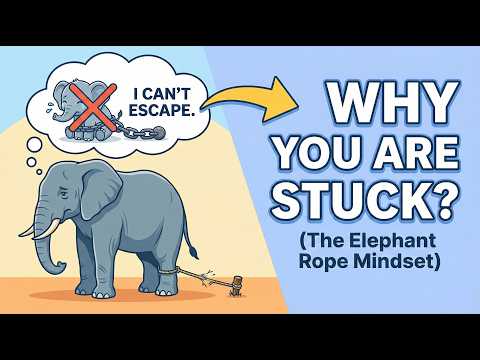
You know how sometimes you feel like you just can’t win? Like no matter what you do, things won’t change?
This blog provides content for informational, educational, and reflective purposes only. The information published here does not constitute medical, psychological, or psychiatric advice, and it does not replace the evaluation, diagnosis, treatment, or individualized guidance of a properly licensed professional. If you believe you may be experiencing a psychological or health-related issue, consult a qualified professional as soon as possible before making important decisions about your well-being. Do not self-medicate or start, stop, or change medications, therapies, or treatments on your own. While we aim to provide useful and accurate information, we do not guarantee that it is complete, current, or suitable for every situation. Your use of this content is at your own risk, and reading it does not create a professional, clinical, or therapeutic relationship with the author or this website.
Well, that’s kind of what we see with elephants and this thing called learned helplessness.
I mean, picture this: a baby elephant tied to a stake in the ground. When it tries to escape, it can’t. Over time, it learns that fighting back is pointless. Crazy, right?
Even as an adult, that elephant won’t even try to break free. It’s like its mind has given up.
So what’s going on in its head? And how does all this apply to us humans? Let’s dig in together!
Understanding Learned Helplessness in Elephants: Insights into Animal Behavior and Mental Health
Learned helplessness is a pretty fascinating concept when it comes to understanding animal behavior, especially in elephants. Basically, it’s the idea that animals can become conditioned to believe they have no control over their environment. So they stop trying to escape or change their situation, even when opportunities arise. Sounds sad, huh?
When we look at elephants in captivity, this phenomenon becomes really clear. These big guys are incredibly intelligent and social creatures. But when they’re confined to small spaces or exposed to stress without any chance of relief, they start to develop what’s called learned helplessness. They might just stand there, refusing food or water even when it’s available.
Here are some key points on why this happens:
- Past trauma: Elephants often experience traumatic events—like being captured or witnessing the death of a herd member. This can lead them to feel powerless.
- Repetitive exposure: If they’re constantly subjected to stressors with no way out—a loud noise, for example—they learn that there’s no point in trying to escape.
- Lack of agency: Unlike in the wild where they can roam free and make choices, captive elephants often find themselves with limited options.
So I remember reading about a particular elephant named Mary. She was rescued from a circus where she was tied up for most of her life. When she got to her new home at an animal sanctuary, she wouldn’t leave her shelter for weeks! Even though there were wide-open fields and other friendly elephants around, Mary just stood there, frozen and unsure of what to do next.
This kind of behavior isn’t just limited to elephants; just like humans can get stuck in patterns of feeling hopeless—when life throws curveballs—it shows how deeply learning affects not only our minds but also the spirits of these magnificent animals.
In terms of treatment and improving their mental health, it’s all about giving these elephants back their sense of control. Facilities that focus on rehabilitation create environments where these animals can interact naturally and make choices again. They might provide enrichment activities: things like puzzles or playtime with each other—anything that encourages them to engage actively with their world.
Understanding learned helplessness helps reinforce the importance of empathy and compassion towards all living beings—not just human ones! We’ve gotta remember that our actions can reshape an animal’s mental well-being in profound ways. So next time you think about elephants—or any animal—consider what they’ve been through and how we can help restore that lost sense of freedom and agency.
Understanding the Elephant Theory in Psychology: Insights into Human Behavior and Mental Health
So, the Elephant Theory in psychology is a pretty interesting concept that actually dives into how humans deal with feelings of powerlessness, especially through something called learned helplessness. You know when you feel like no matter what you do, nothing changes? Yeah, that sense of defeat plays a huge role in our behavior and mental health.
Let’s picture this—you’ve got an elephant. When it’s a baby, it’s tied to a stake in the ground. It tries to escape but eventually gives up after realizing it can’t pull away. Fast forward to adulthood; this big elephant still thinks it can’t break free from that same stake, even though it totally could now. This is how learned helplessness works; it’s all about past experiences shaping our current beliefs and behaviors.
In terms of human behavior, this theory explains why people sometimes avoid challenges or opportunities. If you’ve ever faced failure after failure and then just stopped trying because “what’s the point?”, that’s learned helplessness kicking in.
Here are some key points to consider:
But here’s where things get a bit hopeful—awareness is key! Recognizing this pattern can help people start breaking free from those old beliefs. Therapy approaches like cognitive-behavioral therapy (CBT) focus on shifting those negative thought patterns toward something more positive.
Let me tell you about someone I know—let’s say her name’s Sarah. She applied for multiple jobs after college but faced constant rejection. At first, she was bummed out but kept trying. As time went on, she found herself avoiding job applications altogether because she believed she wouldn’t get hired anyway. Then one day, during therapy, she realized she was stuck in that “elephant” mindset! It took some work, but she started applying again – slowly at first – and guess what? Eventually scored a great job!
So yeah, understanding the Elephant Theory helps shed light on why we sometimes feel trapped and shows us paths toward reclaiming our power over our lives again—just like that elephant if only it realized its own strength!
Understanding Baby Elephant Syndrome: Overcoming Limiting Beliefs and Emotional Barriers
So, let’s chat about something called “Baby Elephant Syndrome.” It’s a pretty interesting concept that comes from the idea of learned helplessness. You’ve seen those baby elephants tied to a stake, right? They don’t even try to break free because they’ve learned they can’t. This kind of stuff goes way deeper than just elephants, though.
The thing is, once these little guys grow up, they could easily break that bond, but they don’t! Why? Because their brains have been wired to believe they can’t do it. And that’s where people come in. As humans, we can fall into this same trap. We pick up these limiting beliefs throughout our lives, often when we face challenges or disappointments.
When you feel like you can’t change your situation or overcome a hurdle, it’s like wearing invisible handcuffs. But here’s the kicker: just like that elephant, you’re stronger than you think! You might be stuck in this cycle of thinking you’re powerless due to past experiences or negative influences around you.
Here are some key points about understanding and overcoming Baby Elephant Syndrome:
- Identifying Limiting Beliefs: The first step is realizing what those beliefs are. Maybe you think you’re not smart enough for a promotion or too unfit to run a marathon.
- Challenging Negative Thoughts: Once you’ve pinpointed those beliefs, challenge them! Ask yourself if there’s real evidence behind them.
- Building Resilience: Strengthening your emotional resilience is crucial. This means practicing self-care and developing coping strategies for tough times.
- Seeking Support: Sometimes you need an outsider’s perspective, like talking with friends or even professionals who can help guide your thinking.
I remember when my buddy Sam got really down on himself after failing an exam. He thought he just wasn’t cut out for college anymore. It was heartbreaking to see him write himself off so quickly! But after some heart-to-heart chats and him actually believing he could study better this time around—bam! He turned it around and passed with flying colors!
It’s all about shifting your mindset from «I can’t» to «I can.» That small change makes such a big difference in breaking free from those chains of limiting beliefs.
If you’re caught in this cycle of feeling helpless or stuck like the baby elephant, remember: **You have the power to overcome**! Just take one step at a time, challenge what holds you back, and seek support when needed. It might not happen overnight, but every little effort counts. You’re more capable than you’ve been led to believe!
You know, it’s pretty wild when you think about elephants and this whole idea of learned helplessness. I mean, like, who would have thought these massive, majestic creatures could teach us so much about feeling stuck? Picture this: in some places, elephants are tied to a tiny stake in the ground. They don’t even try to break free. It’s almost heartbreaking.
What happens is, when they’re young, they can’t escape when tied up, so over time, they learn that fighting back is pointless. It’s like their brains start saying “Why bother?” They stop trying altogether because they’ve been conditioned to think there’s no way out. This whole process—turning from a powerhouse into a creature too afraid to even tug on that rope—speaks volumes about how our minds can work in similar ways.
I remember talking with a friend once who felt stuck in a dead-end job. She was super smart and talented but kept telling herself she wouldn’t make it anywhere else. Her experience echoed the elephant’s—you can get trapped in your own head! Like these elephants who could easily break free if they wanted to, she had potential but couldn’t see beyond the ropes that bound her thoughts.
It’s interesting how learned helplessness can seep into our lives without us even noticing it sometimes. You start small—maybe failing at something or facing repeated setbacks—and soon enough those experiences pile up and convince you that trying is just not worth it. The sad thing is that we’re way more capable than we give ourselves credit for.
So yeah, I think understanding this concept helps shed light on why some people struggle to move past obstacles in their lives or relationships. We really need to be aware of those invisible ropes holding us back and remember that there’s always a chance for change if we’re willing to pull against them—even just a little bit at first!