Hey, so let’s talk about something that hits hard for a lot of us—seasonal depression. You know, that feeling when the days get shorter, and everything outside just feels… bleak? Yeah, it can really take a toll on your mood.
This blog provides content for informational, educational, and reflective purposes only. The information published here does not constitute medical, psychological, or psychiatric advice, and it does not replace the evaluation, diagnosis, treatment, or individualized guidance of a properly licensed professional. If you believe you may be experiencing a psychological or health-related issue, consult a qualified professional as soon as possible before making important decisions about your well-being. Do not self-medicate or start, stop, or change medications, therapies, or treatments on your own. While we aim to provide useful and accurate information, we do not guarantee that it is complete, current, or suitable for every situation. Your use of this content is at your own risk, and reading it does not create a professional, clinical, or therapeutic relationship with the author or this website.
I mean, picture this: it’s mid-January, and you haven’t seen the sun in what feels like ages. You drag yourself out of bed; everything just feels heavy and gray. It’s like you’re stuck in a fog that just won’t lift.
Trust me, you’re not alone if that resonates with you. A ton of people struggle through the winter months feeling more down than usual. But hey, there are ways to cope! It’s all about finding what works for you and making it through the dark days until spring rolls around again.
So grab a cozy blanket and let’s chat about this together!
Understanding Seasonal Affective Disorder: What Is SAD Called Now?
Seasonal Affective Disorder, or SAD, is like this unwelcome guest that shows up every winter and crashes your mood. Even if you’ve heard of it as “winter depression,” the official term now is actually “seasonal pattern major depressive disorder.” Yeah, it sounds fancier, but it’s really just the same thing, just with a longer name.
So what exactly happens when you have SAD? Well, basically, you might feel super low on energy. You could also notice that you’re sleeping way more than usual or finding it hard to focus on even the simplest tasks. Some people feel irritable or anxious too. It’s like your mind’s in a fog, and everything feels heavy.
Most folks start feeling these symptoms when daylight shrinks during fall and winter months. It’s like the sun goes on vacation without telling you! That lack of sunlight can mess with your brain’s chemistry, especially serotonin levels. This chemical plays a big role in regulating mood.
Here are some key points about SAD:
- Symptoms: Low energy, irritability, sleep issues, changes in appetite—especially cravings for carbs.
- When it hits: Typically in late fall and sticks around until spring.
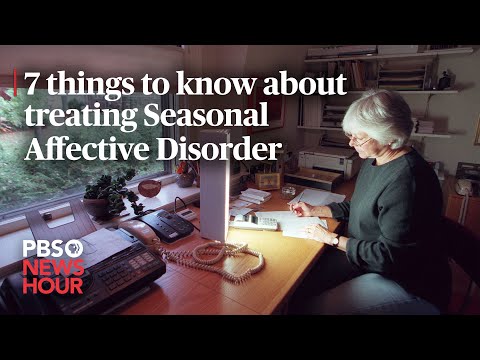
- Treatment options: Light therapy is a big one! It involves sitting near a specialized light box that mimics sunlight.
- Coping strategies: Keeping active can help—think about getting outside when there’s daylight—even for a little bit.
A friend of mine swears by those light boxes. She had this deep funk every winter for years until she decided to give it a shot. At first, she felt silly sitting there under bright lights while watching TV. But then she started noticing that her mood was lifting little by little.
If light therapy isn’t your vibe, talking to someone—a therapist or counselor—can do wonders too. They can help you figure out what coping mechanisms work best for you.
Another huge factor is self-care practices! You know? Like making sure you’re eating right and keeping connected with friends or family—even if it’s just through texts or calls when it feels tough to see them in person.
It’s important to remember that if you’re feeling overwhelmed by these feelings or they last longer than expected, reaching out for help isn’t weak; it’s smart! Mental health struggles can be tough but knowing you’re not alone can make a world of difference.
So yeah, understanding SAD is all about recognizing how the seasons affect your vibe and finding ways to combat those winter blues before they take over completely. Don’t let that seasonal bummer steal your sunshine!
Understanding Seasonal Affective Disorder: Signs, Symptoms, and Effective Coping Strategies
Understanding Seasonal Affective Disorder can be like trying to navigate through a foggy day. You know it’s there, but everything feels blurry and hard to grasp. So, let’s break it down: what it is, how to spot it, and what you can do about it when those winter blues hit.
What is Seasonal Affective Disorder (SAD)?
So, Seasonal Affective Disorder is a type of depression that typically happens during the fall and winter months when there’s less natural sunlight. It can really dim your mood, energy levels, and overall well-being.
Signs and Symptoms
This isn’t just feeling a bit “bleh.” SAD comes with some pretty clear signs like:
Imagine a time when you just wanted to stay curled up in bed instead of hanging out with friends or doing things you normally love. That’s a hallmark symptom! It’s easy to confuse these feelings with regular seasonal mood swings, but if they stick around for weeks, it might be SAD.
Coping Strategies
Now, how do you tackle this? There are effective ways to cope that might help lighten the load:
When I was dealing with this myself one winter, I found that hitting the gym even just twice a week helped so much. Seriously—it wasn’t just about the workout; it was about getting out of the house!
Talk About It
Don’t discount the importance of talking things out with someone who understands—whether it’s friends, family, or even a therapist. Sometimes just sharing what you’re going through makes everything feel more manageable.
And hey, if things get really tough—as in if you’re feeling hopeless or having harmful thoughts—please reach out for professional help. Because you’re not alone; there are people ready to support you.
So there you go! Understanding Seasonal Affective Disorder doesn’t have to be overwhelming. Recognizing those signs early and trying out some coping strategies can make those long winters feel much more bearable!
Effective Treatments for Seasonal Affective Disorder: Boost Your Mood This Winter
Seasonal Affective Disorder (SAD) can hit hard when the days get shorter and the weather turns chilly. You might find yourself feeling more down, tired, or just unmotivated. It’s tough, right? But the good news is that there are some effective treatments to help boost your mood during those dreary winter months. Let’s break it down.
One of the most popular treatments for SAD is light therapy. This involves sitting in front of a special light box that mimics natural sunlight. The idea here is simple: light exposure can help regulate your body’s internal clock and increase serotonin levels, which plays a big role in mood regulation. Just 20-30 minutes a day can make a difference. Imagine waking up early and soaking in that bright light—sounds nice!
Then we have psychotherapy, particularly cognitive behavioral therapy (CBT). Basically, this focuses on changing negative thought patterns and behaviors that contribute to feelings of sadness. If you’re stuck in a cycle of negative thinking about winter, working with a therapist can provide tools to shift those thoughts into something more positive.
Now, let’s not forget about medications. Sometimes, antidepressants like SSRIs can be really helpful for people dealing with SAD. These meds can balance out those mood-regulating chemicals in your brain, but keep in mind it’s wise to discuss this option with a healthcare professional who knows your situation well.
Of course, lifestyle changes play a huge role too! Regular exercise can absolutely help lift your spirits—seriously! You don’t have to hit the gym hard; even brisk walks outside can do wonders for both your physical health and mood. And eating well—like lots of fruits and veggies—can actually influence how you feel emotionally.
Another important factor is social support. Reaching out to friends or joining groups where you share experiences with others going through similar struggles can really lighten the load. You know how sometimes just chatting with someone who gets it makes all the difference? That connection is key.
So, yeah… if you notice those winter blues creeping in, remember that there are definitely ways to tackle them head-on. Light therapy, psychotherapy, medication if needed, healthy habits like exercise and nutrition—all these things add up. It’s about finding what works best for you personally. Always listen to yourself! And hey, spring will come around before you know it!
Seasonal depression can feel like this thick fog that rolls in and just doesn’t let up. You know, when the days get shorter and the sun seems to disappear for weeks on end? It’s a tough one, and it’s more common than you might think. Like, I remember when my pal Sarah went through a rough patch during winter. She loved the summer sunshine but would basically turn into a couch potato once it got cold. The spark just dimmed, right?
So, what’s going on here? Well, it’s not just about feeling down for a day or two. Seasonal Affective Disorder (that’s SAD for short) can hit hard. You might find yourself sleeping way too much or, conversely, not being able to sleep at all. Your energy tanks, and even getting out of bed feels like climbing a mountain. Eating habits can flip too; some folks might snack more while others lose their appetite entirely.
The tricky part is that these feelings can sneak up on you. One moment it’s fall with those pretty leaves falling everywhere, and then bam—winter hits, and you’re stuck in this mood slump that seems endless. But there are ways to cope with it.
First off, light therapy is one popular method to consider—exposing yourself to bright lights that mimic sunlight can work wonders for lifting your spirits over time. Seriously, giving your brain some extra light helps boost those feel-good chemicals like serotonin.
Then there are routines; building a solid daily structure helps keep things from spiraling out of control. Regular exercise—even a brisk walk around the block—can lighten your load too! It sounds cliché, but moving around releases all these endorphins that make you feel good.
And don’t forget about connecting with others! It’s so easy to retreat into isolation when you’re feeling down but reaching out—whether it’s texting a friend or joining an online group—can remind you that you’re not alone in this fight.
I know it feels heavy sometimes; Sarah learned the importance of being kind to herself during those colder months. Now she plans cozy activities inside—like movie nights with her favorite snacks—and keeps some plants around for that touch of green and life indoors.
For anyone dealing with extreme seasonal depression: hang in there! Winter won’t last forever; spring always comes back around eventually! Your feelings are valid; give yourself grace as you navigate through them.