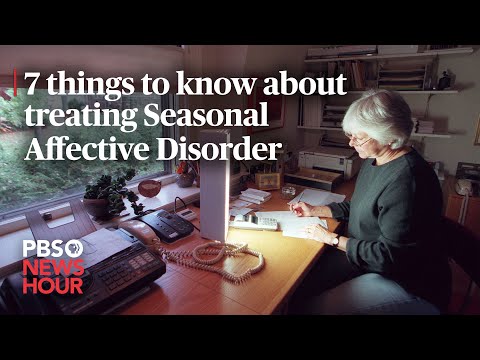
So, you know those cloudy days when everything feels kinda heavy? Yeah, that’s what Seasonal Affective Disorder, or SAD, can be like. It sneaks up on you when the days get shorter and the sun plays hide-and-seek.
This blog provides content for informational, educational, and reflective purposes only. The information published here does not constitute medical, psychological, or psychiatric advice, and it does not replace the evaluation, diagnosis, treatment, or individualized guidance of a properly licensed professional. If you believe you may be experiencing a psychological or health-related issue, consult a qualified professional as soon as possible before making important decisions about your well-being. Do not self-medicate or start, stop, or change medications, therapies, or treatments on your own. While we aim to provide useful and accurate information, we do not guarantee that it is complete, current, or suitable for every situation. Your use of this content is at your own risk, and reading it does not create a professional, clinical, or therapeutic relationship with the author or this website.
I remember this one winter. I woke up one morning, and it felt like the weight of the world was pressing down on me. Seriously, I couldn’t shake off this gloomy vibe. It was tough.
People often brush it off as just winter blues. But it’s way more than that. It can turn your whole mood upside down. And trust me, you’re not alone if you’ve felt this way.
Let’s chat about what living with SAD is really like—the ups, the downs, and everything in between.
Effective Strategies to Overcome Seasonal Affective Disorder: Tips for Boosting Your Mood Year-Round
Seasonal Affective Disorder, or SAD, can really be a downer. You know those gloomy, gray winter days when it feels like the sun just forgot about you? Yeah, that’s kind of what SAD is all about. It can leave you feeling low, tired, and just plain unmotivated. But don’t worry—there are definitely effective strategies to help you get through it and emerge on the other side with a bit more pep in your step.
First off, light therapy is a popular way to tackle SAD. Basically, it involves sitting in front of a special light box that mimics natural sunlight. People often find that using this for about 20-30 minutes each morning can really help lift their spirits. I once had a friend who got one of those lights; she said it was like day and night—literally! She felt way more energized after just a few days.
Another thing you might want to consider is regular exercise. Okay, hear me out! I know not everyone loves working out, but getting your body moving can seriously boost your mood thanks to those feel-good endorphins we all love. You don’t have to run marathons or lift heavy weights; even a brisk walk around the neighborhood or some yoga at home can do wonders for your mental health.
Social support is also super important during these tough seasons. Connecting with friends and family—even if it’s just through video calls—is crucial. Sharing how you’re feeling can lighten the load and remind you that you’re not alone in this whole emotional rollercoaster thing. That reminds me of another friend who started hosting virtual game nights during winter; they became such a hit! Everyone laughed so much that they forgot about the winter blues for a while.
Diet plays a role too. Eating well-balanced meals rich in nutrients can affect your mood more than you might think. Foods containing omega-3 fatty acids (like fish) or complex carbs (such as whole grains) are good choices because they help regulate serotonin—yep, that feel-good hormone we all need.
Also worth mentioning are mindfulness practices. Meditation and deep-breathing exercises may sound cliché or low-key boring at first—but they can seriously shift your mindset if you give them a shot! A close family member swears by daily meditation sessions; she says they help her stay grounded even on dreary days. Plus, there are tons of apps available nowadays to guide you through it if you’re unsure where to start.
Lastly—and this might seem obvious but bear with me—seek professional help. If you’re really struggling with SAD, reaching out to a therapist could be one of the best things you do for yourself. They can offer personalized strategies tailored specifically for what you’re going through.
So yeah, remember—you’re totally not alone here! Putting even just one or two of these strategies into practice could make this season feel less daunting and way more manageable as we move forward into brighter times ahead!
Understanding the Impact of Seasonal Affective Disorder on Daily Life: Tips for Managing Symptoms
Seasonal Affective Disorder, or SAD for short, is more than just feeling a little down when winter hits. It’s a type of depression that follows a seasonal pattern, usually flaring up in the fall and winter months when sunlight is scarce. You might find yourself feeling sluggish, unmotivated, or just plain sad during these times. It’s real, and it’s more common than you might think.
Imagine waking up one day in November and realizing you just don’t want to get out of bed. The thought of facing the cold and gray outside feels unbearable. This was me a few winters ago. I remember dragging myself through my daily routine but feeling like I was walking through sludge—everything just seemed harder. You know that constant battle between wanting to stay cozy under your blankets and needing to tackle your responsibilities? That’s what SAD can do.
If you’re nodding along because you can relate, here’s what you need to know about how SAD impacts daily life:
- Energy Levels: It can zap your energy. You may feel fatigued all the time, making it tough to get out of bed or even focus on work.
- Mood Changes: Your mood might plummet; irritability or anxiety can become frequent visitors in your mind.
- Poor Sleep Patterns: It messes with your sleep too—you could be sleeping way too much or having trouble falling asleep at all.
- Social Withdrawal: You may start pulling away from friends and family because social interactions feel draining.
This combo can seriously throw off your daily routine—it’s like trying to run a race with weights on your legs! But there are ways to manage those symptoms and reclaim some joy during those darker months.
- Light Therapy: This is one of the most effective treatments for SAD. Using a lightbox that mimics natural sunlight can help boost your mood significantly. Just sitting in front of it for about 20-30 minutes each morning really makes a difference.
- Get Moving: Exercise isn’t just good for the body; it’s amazing for the mind too! Even a brisk walk outside during daylight hours can help lift those heavy feelings. I found that even small bursts of activity helped me feel more energized.
- Simplify Your Schedule: When you’re feeling low, don’t pile on extra commitments. Be kind to yourself—scale back when you need to because self-care isn’t selfish!
- Talk About It: Sometimes just sharing how you’re feeling with trusted friends or family members makes all the difference. They might not completely understand what you’re going through, but having someone listen helps lighten the load.
I remember one winter where I talked openly with my friend about how I felt like I was hibernating inside myself. Just getting it out in the open lifted such a weight off my shoulders!
The thing is—you’re not alone if this feels familiar. Many folks experience SAD every year. And while it might seem daunting at first glance, taking small steps towards managing those symptoms can lead you back into brighter days.
If you’ve been searching for ways to navigate this seasonal struggle, hold tight! With some understanding and the right tools—like light therapy or talking things out—you can find ways to cope better this season!
How Moving Can Alleviate Seasonal Affective Disorder: Exploring the Connection
Moving can be a game changer if you’re dealing with Seasonal Affective Disorder (SAD). You know, that heavy feeling that creeps in when the days get shorter and the sunlight fades away? It’s like even the sun forgot to show up. But here’s the thing: changing your environment can really help lift those dark clouds.
When people talk about moving, they might think it’s just about relocating to a new place. But it’s way more than that. Seriously! Here are some ways how a new living situation can ease those SAD symptoms:
- Sunlight Exposure: One of the best things you can do is find a spot with more sunshine! If you move to a sunnier location, you could soak up those rays much more easily. This natural light helps regulate your mood and can boost serotonin levels, which definitely makes you feel happier.
- New Activities: A fresh start often means new activities and experiences. When you move, you get to explore different parks, cafes, or even hiking trails. Just think of how awesome it would be to walk outside in nature instead of being cooped up inside. Moving is like hitting refresh on life!
- Social Connections: Relocating gives you the chance to meet new people. Building connections is important for mental health. When we isolate ourselves during those gloomy months, it just adds fuel to SAD’s fire. Finding a community—whether through clubs or classes—can really help combat feelings of loneliness.
- Changing Your Routine: A change of scenery often means shaking up your daily routine too! Maybe you’ll start taking morning walks or join a gym close by. Those little shifts can create positive changes in how you’ve been feeling.
I remember this one friend who really struggled with SAD every winter; it was tough seeing them go through that! So they decided to move from their gloomy city to a brighter one on the coast. They started surfing and joined local meet-ups at coffee shops—totally transformed their vibe! That sunlight gave them energy they didn’t even realize they were missing.
Plus, moving isn’t just about physical space; it’s about creating mental space too. Feeling stuck? A change in environment could bring clarity and inspiration back into your life.
But moving isn’t always feasible for everyone—totally get that! If relocation isn’t an option for you right now, look for ways within your current space: rearranging furniture for better light exposure or adding plants can also make a difference.
So yeah, whether it’s the sun on your face or finding fresh activities that excite you, consider how moving might lighten the load of Seasonal Affective Disorder and open doors to brighter days ahead!
You know, the ups and downs of life can really hit differently when the seasons change. Living with Seasonal Affective Disorder (SAD) has been like riding a rollercoaster for me, especially during those long, dark winter months. I still remember that first winter after I moved to a place where the sun barely showed its face. Who knew it could get so gloomy? It’s wild how much a lack of sunlight can mess with your mood.
At first, I thought I was just feeling lazy or unmotivated. Those dreary days made getting out of bed feel like climbing a mountain. Seriously, my friends would ask me to hang out, and I’d find myself searching for excuses to stay indoors. Going out felt like an insurmountable task. And then there were those little moments that would hit hard—the instant sadness that crept up when I saw everyone else enjoying life while I felt stuck in my cocoon.
One thing that surprised me was how isolating it could feel. You’d think others would understand what I was going through, but trying to explain it often left people scratching their heads. “Just get some fresh air!” they’d say, as if stepping outside for five minutes could fix everything. But it’s not just about being outside; it’s about the light! When those sunny days finally returned in spring, oh man, it felt like waking up from a long sleep! Sunlight streaming through the window would bring this surge of energy and clarity—like someone flipped a switch.
I eventually realized that fighting SAD isn’t just about waiting for winter to end. Therapy helped me sort through my feelings and develop coping strategies—like keeping my space bright with lights during the dark months or planning little outings whenever the sun peeked out to soak up every single ray. There were days when even getting dressed felt monumental but finding ways to cultivate joy became essential.
So yeah, living with SAD is challenging and has its rough patches, especially when you’re staring down another overcast day and battling those heavy clouds inside your head too. But on better days? Those sunlit moments remind me that there’s always hope around the corner—and maybe even more than one way to navigate this journey of mine!