You know that feeling when you’re stuck in a fog? Like, nothing seems to lighten the load? That’s depression for a lot of folks. It can be heavy and pretty isolating.
This blog provides content for informational, educational, and reflective purposes only. The information published here does not constitute medical, psychological, or psychiatric advice, and it does not replace the evaluation, diagnosis, treatment, or individualized guidance of a properly licensed professional. If you believe you may be experiencing a psychological or health-related issue, consult a qualified professional as soon as possible before making important decisions about your well-being. Do not self-medicate or start, stop, or change medications, therapies, or treatments on your own. While we aim to provide useful and accurate information, we do not guarantee that it is complete, current, or suitable for every situation. Your use of this content is at your own risk, and reading it does not create a professional, clinical, or therapeutic relationship with the author or this website.
But here’s where it gets interesting. There are some cool neurostimulation techniques out there shaking things up in the mental health world. They’re not just another band-aid solution; they’re actually changing the game for people battling depression.
Imagine finding relief that’s not just about talk therapy or meds. It’s kinda like flipping a switch in your brain. Seriously, how wild is that? Let’s explore what these techniques are all about and why they might just be the light at the end of the tunnel for many.
Exploring Brain Stimulation Therapy: A Revolutionary Approach to Overcoming Depression
Brain stimulation therapy is kind of a big deal in the world of mental health right now, especially when it comes to tackling depression. You might have heard about it in passing or maybe even seen it mentioned in an article. So, what’s the fuss all about? Let’s break it down.
First off, brain stimulation therapy isn’t just one single thing; it’s actually a bunch of different techniques designed to change how your brain works. The main goal here? To help folks who struggle with depression—especially when regular treatments like talk therapy or meds just aren’t cutting it anymore.
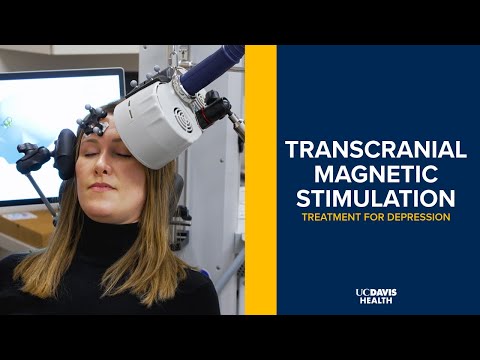
One popular method is called **Transcranial Magnetic Stimulation (TMS)**. This is where doctors use magnetic fields to stimulate nerve cells in the brain. You know, like using a magnet to pick something up? But instead of a paperclip, it’s like nudging parts of your brain to wake up and start functioning better. It’s non-invasive, which means no surgery or anything super intense involved.
Another approach is **Electroconvulsive Therapy (ECT)**. Now that sounds pretty scary, right? But hang on—it’s been around for ages and has really helped many people find relief from severe depression when nothing else worked. Here, small electrical currents are passed through the brain while you’re under anesthesia. It might seem wild, but for some folks, it can be a game changer.
Deep Brain Stimulation (DBS) is another player in this field. In this case, electrodes are surgically implanted in specific areas of the brain. These electrodes send out electrical impulses that can help regulate mood and reduce symptoms of depression. Yeah, it sounds way more intense compared to TMS or ECT, but it’s shown promising results for some people who’ve been stuck in a tough spot with their mental health.
Now you might be asking yourself—who’s actually benefiting from these therapies? Well, typically it involves people who’ve been diagnosed with major depressive disorder and haven’t found success with traditional treatments like medication or psychotherapy alone. Sometimes their depression has been hanging around for way too long; other times they might have unique situations that make standard treatments less effective.
But let’s talk about feelings here because that matters too! Imagine waking up every day feeling heavy with sadness and hopelessness—like walking through mud all day long! The thought of getting out from under that gray blanket feels impossible. That’s where these therapies come into play: They can help lift that weight off your shoulders so you can start enjoying life again.
Of course, not everyone reacts the same way to these treatments. Some may find incredible relief while others might feel a bit off after sessions—like feeling a little disconnected or even having minor headaches sometimes goes hand-in-hand with these procedures.
It’s important to remember that while these therapies are revolutionary for many people battling depression, they don’t work overnight—you’ve got to give them time and combine them often with other forms of treatment like counseling or medication for the best results.
So there you have it! Brain stimulation therapy offers some exciting new avenues in overcoming depression—a real blend of science and care aiming to restore hope when things seem bleakest. If you know someone struggling with their mental health journey or maybe you’re on your own path toward healing just only be mindful: there will always be options out there just waiting to help!
Unlocking Relief: How Electrical Stimulation Can Alleviate Depression and Anxiety
So, let’s talk about how **electrical stimulation** is stepping into the ring to tackle depression and anxiety. You might’ve heard terms like **Transcranial Magnetic Stimulation (TMS)** or **Electroconvulsive Therapy (ECT)** tossed around. These are examples of neurostimulation techniques aimed at helping people manage their mental health struggles.
Basically, electrical stimulation involves sending small electrical currents to specific areas of the brain. This can help rebalance those pesky neurotransmitters that influence mood. The thing is, for folks dealing with major depressive disorder or debilitating anxiety, finding effective treatments can sometimes feel like searching for a needle in a haystack.
How Does It Work?
Think of your brain as a complex network of connections and pathways. When you’re feeling low or anxious, some of these pathways might not be firing as they should. Using electrical stimulation can help “reboot” these areas by promoting more activity where it’s needed.
For instance, during TMS, a magnetic coil is placed on your scalp to deliver short pulses that stimulate nerve cells in the brain’s prefrontal cortex. This area is linked to mood regulation. People often report improvements after several sessions—sometimes within just a few weeks!
Advantages
One cool thing about these methods is that they tend to have fewer side effects than traditional medications. You know how some antidepressants can come with a laundry list of unwanted effects? With TMS or ECT, you might face less of that hassle. Instead of feeling foggy or dealing with weight gain, many individuals report feeling clearer-headed and more engaged.
Additionally, therapy sessions usually last about 30-40 minutes and you can continue your daily routine without major disruptions! Seriously, think how refreshing it’d be not to have medication hangovers every day.
Who Can Benefit?
While electrical stimulation isn’t for everyone, it could be a game changer if conventional treatments haven’t worked for you or if you’re experiencing severe symptoms. This includes individuals who’ve battled chronic depression or anxiety disorders without significant relief from meds.
Some people have even found this form of treatment beneficial when coupled with traditional therapy approaches like Cognitive Behavioral Therapy (CBT). Imagine combining brain stimulation with talk therapy—it’s kind of like having powerful tools in your mental health toolbox!
The Takeaway
Electrical stimulation techniques are emerging as promising alternatives for those grappling with mental health issues like depression and anxiety. It’s worth considering if you’ve hit a wall with usual treatments, but don’t forget—every individual is different! Having an open chat with professionals about what fits best for you is always key.
So yeah, while we still have a long way to go when it comes to mental health treatment options, using electricity in this way shines some hope on the horizon!
Unlocking Potential: Exploring Effective Brain Stimulation Techniques for Mental Health
Alright, let’s chat about brain stimulation techniques. You know, it’s kind of wild how our brains work and how we can actually influence them to feel better. There are some really cool methods out there that people use to tackle mental health issues, especially when it comes to depression.
One popular technique is called **Transcranial Magnetic Stimulation (TMS)**. Basically, this method uses magnetic fields to stimulate nerve cells in the brain. It’s non-invasive, which is a fancy way of saying it doesn’t require surgery or anything intense like that. You sit in a chair while a device delivers magnetic pulses to your scalp. Some studies show that TMS can help reduce symptoms of depression when other treatments haven’t worked well. Like, imagine someone finally feeling relief after months of feeling stuck—that’s pretty powerful.
Another method gaining traction is **Electroconvulsive Therapy (ECT)**. Now, before you freak out, ECT has come a long way from the horror stories you might have heard about it. It involves sending small electrical currents through the brain to trigger a brief seizure, which can help reset your brain chemistry. It might sound a bit scary, but it’s usually done under anesthesia, so you don’t feel anything during the process. People often report significant improvements afterward—like waking up from a fog.
Then there’s **Vagus Nerve Stimulation (VNS)**. This one’s neat because it involves implanting a device that sends electrical signals to the vagus nerve in your neck. It’s like having an internal little helper working for your mood 24/7! Some folks experiencing chronic depression have found this technique helpful when other treatments haven’t done much.
**Deep Brain Stimulation (DBS)** is another fascinating approach that’s usually more for severe cases of depression or bipolar disorder that don’t respond to other treatments. With DBS, doctors implant electrodes in specific areas of the brain and send electrical impulses to reduce symptoms over time. It sounds high-tech because it is! But several patients have shared how their entire quality of life improves after this intervention.
Neurofeedback is also worth mentioning! This technique uses real-time displays of brain activity to teach self-regulation of brain function. You wear sensors on your head while playing games or watching video screens—and as you focus on activities or meditations that calm or energize you, you learn more about what works for your own mind.
And let’s not forget about **Cognitive Behavioral Therapy (CBT)** paired with these techniques! When people combine therapy with neurostimulation methods, they often see even better results than using either one alone.
Look, the thing is: mental health treatments are evolving all the time! If one method doesn’t work for someone—or if they’re looking for something different—there’s probably another option out there that could be effective instead.
So yeah, finding what clicks can take some time and experimenting—but these advancements mean help is available like never before!
You know, the way we think about treating depression is evolving, and it’s kind of exciting. There are these neurostimulation techniques that are making waves in how we approach this complex condition. It’s like we’re opening new doors that have been locked for so long.
I remember a friend of mine who struggled with depression for years. She tried everything—therapy, medication, you name it. Some days were just unbearable for her. One day, she heard about transcranial magnetic stimulation (TMS). Honestly, I didn’t even know what it was then! It sounded a bit sci-fi but also kinda hopeful.
So, TMS basically sends magnetic pulses to specific areas of the brain linked to mood regulation. The treatment isn’t invasive, which is a big deal. My friend was skeptical but decided to give it a shot after some encouragement from her therapist. I’ll never forget the look on her face after a few sessions; she seemed lighter somehow, like a weight was being lifted off her shoulders.
Then there’s something called deep brain stimulation (DBS), which is more intense and involves implanting electrodes in the brain to help regulate activity in areas responsible for mood and emotion. It’s pretty crazy that we’re getting to this point where we can directly influence how our brains work! Of course, it’s not the first line of treatment; it usually comes into play when other options have failed.
These techniques are showing promise not just in reducing symptoms but also in improving overall quality of life for many folks dealing with depression. They’re allowing people to experience life more fully again—like my friend did!
But still, it’s essential to remember that these treatments aren’t magic bullets. They don’t work for everyone and can have side effects too. Each person’s journey is unique, and what works wonders for one might not work at all for another.
So yeah, while neurostimulation techniques aren’t a cure-all solution, they represent hope—a new avenue worth exploring when traditional treatments don’t cut it anymore. And that’s something worth celebrating!