So, you know how sometimes it feels like a thick fog just rolls in and, bam, your world gets a lot darker? Yeah, that’s depression for ya. It can be heavy and isolating.
This blog provides content for informational, educational, and reflective purposes only. The information published here does not constitute medical, psychological, or psychiatric advice, and it does not replace the evaluation, diagnosis, treatment, or individualized guidance of a properly licensed professional. If you believe you may be experiencing a psychological or health-related issue, consult a qualified professional as soon as possible before making important decisions about your well-being. Do not self-medicate or start, stop, or change medications, therapies, or treatments on your own. While we aim to provide useful and accurate information, we do not guarantee that it is complete, current, or suitable for every situation. Your use of this content is at your own risk, and reading it does not create a professional, clinical, or therapeutic relationship with the author or this website.
But what if I told you there are some really cool treatments out there that might just help clear that fog? ECT and TMS are two methods shaking things up in the mental health world right now.
Seriously, people are finding relief where they thought none existed. It’s pretty amazing stuff! So let’s dive into this wild ride of transforming depression together, shall we?
Exploring Brain Stimulation Techniques: Boost Your Mental Health and Cognitive Performance
Brain stimulation techniques are really starting to get some attention lately, especially when it comes to tackling mental health issues. Two of the most talked-about methods are Electroconvulsive Therapy (ECT) and Transcranial Magnetic Stimulation (TMS). Both of these can play a significant role in treating conditions like depression and, you know, they might even give a little boost to your overall cognitive performance.
First off, let’s break down ECT. It’s been around for decades, and even though it sometimes gets a bad rap from movies and TV shows, the reality is more complicated. In ECT, doctors apply small electric currents to the brain while the patient is under anesthesia. This can help restart or reset brain activity that’s become unbalanced due to depression. I remember hearing about someone who had struggled with severe depression for years—after a series of ECT sessions, they felt like they could finally see colors again in their life. That’s how powerful this treatment can be.
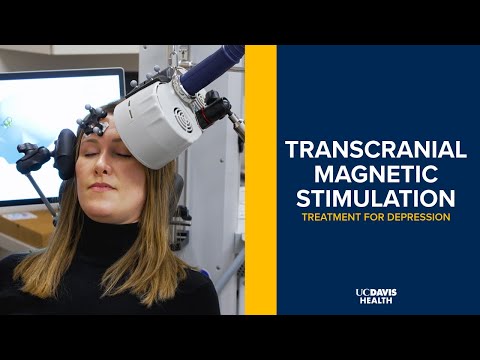
Now onto TMS—it’s a bit more modern and not quite as intimidating as ECT might sound. Basically, TMS uses magnetic fields to stimulate nerve cells in specific areas of the brain that are involved in mood regulation. You sit in a chair while a device delivers focused magnetic pulses to your head. Most people don’t find it painful at all; in fact, it can feel more like a tapping sensation on your scalp. Some folks have found relief from depressive symptoms after just a few sessions.
So why would someone choose one method over another? Here are some points worth thinking about:
- Side Effects: ECT can sometimes lead to memory issues temporarily, which is something you might want to discuss with your doctor. TMS usually has fewer side effects and doesn’t require anesthesia.
- Treatment Duration: ECT often involves multiple sessions over a few weeks; TMS treatments may take a bit longer overall but each individual session is shorter.
- Effectiveness: Both treatments have shown positive results for patients who haven’t responded well to traditional therapies or medications.
Another thing worth mentioning is how both techniques can also enhance cognitive performance for some individuals—not just those dealing with major depression but even those who are struggling with focus or motivation problems.
A friend once shared how TMS helped him feel sharper at work; he’d been dragging through projects but now found himself actively engaging again—the difference was night and day! It’s fascinating how stimulating certain brain regions can lead not just to an emotional lift but also clearer thinking.
In short, whether you’re looking into ECT or TMS—or maybe both—understanding these options could be key in finding what works best for you or someone you care about. Remember though: always chat with a healthcare professional before making any decisions about what’s right for you!
Exploring Brain Stimulation Therapy: A Promising Approach to Alleviating Depression
Brain stimulation therapy has been gaining traction as a potential game-changer for folks dealing with depression, especially when traditional methods, like talk therapy and medications, haven’t really cut it. Two of the big players in this field are ECT (Electroconvulsive Therapy) and TMS (Transcranial Magnetic Stimulation). Let’s unpack how these therapies work and why some people consider them a relief from their symptoms.
ECT has been around for quite some time now. When used on patients with severe depression, it involves sending small electrical currents through the brain to induce a controlled seizure. Sounds a bit intense, right? But, believe it or not, it can be incredibly effective for some people who haven’t found success with other treatments.
You might be wondering, “Doesn’t that hurt?” Well, it’s done under anesthesia and monitored by medical professionals. Many people report feeling better after a series of sessions. For instance, I once spoke to someone who had tried multiple antidepressants without much luck. After going through ECT, they said they felt hope again! It wasn’t an easy decision to make, but the positive impact made it worth it in their case.
Now let’s talk about TMS. This one is a bit less invasive compared to ECT. TMS uses magnetic fields to stimulate nerve cells in the brain—kind of like when you get an MRI but without all the noise and anxiety that comes with it! Typically, you sit in a chair while the device delivers magnetic pulses to specific areas linked to mood regulation.
Many people find TMS appealing because there aren’t any anesthesia or seizures involved. You can even go back home right after your session! The treatment usually takes several weeks of regular appointments but can lead to significant improvement in mood and energy levels over time.
A friend of mine gave TMS a go after struggling with depression for years. They described their experience as oddly calming and noticed they were able to do things they’d lost interest in before—like meeting friends or enjoying hobbies again. That kind of change is powerful!
Both ECT and TMS may sound quite different, but they share an aim: to help alleviate debilitating symptoms of depression. However, they’re not everyone’s cup of tea; some might experience side effects like headaches or memory issues (though those usually fade). Each person’s experience is unique, so it’s important to discuss all options thoroughly with your healthcare provider.
Emotional experiences while undergoing these therapies vary widely too. Some folks feel nervous at first; others might feel hopeful about finally finding relief from their sadness or numbness.
So there you have it—ECT and TMS are two brain stimulation therapies offering new hope for those battling tough cases of depression where other treatments have failed them so far. Remember though: If you’re considering either route for yourself or someone else you know who’s hurting emotionally, chatting openly with healthcare professionals can guide you toward making the best decision tailored just for you!
Comparing TMS and ECT for Depression: Which Treatment is Right for You?
So, you’re curious about Transcranial Magnetic Stimulation (TMS) and Eletroconvulsive Therapy (ECT) for treating depression. Both treatments have their own, like, unique approaches and can be really helpful for different folks. Let’s break it down a bit.
TMS is a non-invasive method that uses magnetic fields to stimulate nerve cells in the brain. The idea is to target areas that are typically less active in people dealing with depression. You sit in a comfy chair while the device creates magnetic pulses. It’s usually done over several sessions—like, 20 to 30—that last around 20 to 40 minutes each time.
And then there’s ECT, which is a little more intense. It involves sending small electric currents through the brain while you’re under anesthesia. This therapy triggers a brief seizure which can help reset things in your brain—basically waking up those sleepy areas that aren’t doing their job well.
Now, let’s talk about who might benefit more from one treatment over the other:
- Previous Treatments: If you’ve tried meds but they just didn’t cut it, TMS could be an option to explore first.
- Severity of Depression: For severe cases or those with suicidal thoughts, ECT might be recommended because it tends to work faster.
- Side Effects: TMS typically has fewer side effects—mostly just some mild headache or discomfort at the site of stimulation. ECT can lead to memory issues or confusion post-treatment.
- Treatment Duration: TMS requires multiple outpatient visits but feels more manageable since you don’t need anesthesia.
Now, I remember this one friend who had been struggling with depression for years and was pretty skeptical about everything but medications. After exhausting all options without relief, they decided on TMS as a last resort. In just a few weeks, there was this noticeable change—more energy and motivation! It was like seeing them slowly come back to life.
But on the flip side, I’ve known folks who’ve found relief through ECT after nothing else worked for them—like flipping a switch when they were at their lowest point. That immediate response can truly change lives.
So what’s right for you? Well, it depends on your unique situation and what you’ve already tried or haven’t tried yet. It’s crucial to have an open conversation with your healthcare provider about both options so you can make an informed decision tailored to your needs.
In summary:
- TMS is non-invasive and generally has fewer side effects.
- ECT works faster but comes with some potential memory risks.
- Your past treatment history may guide which option is best suited for you.
Ultimately, both treatments have shown efficacy in reducing depressive symptoms; it just comes down to what fits best into your life and aligns with what you need!
You know, depression can really feel like a heavy weight sitting on your chest. I mean, I once had a friend who struggled with it for years. She would wake up and just see the world through this dull filter. Everything was muted—colors, sounds, even laughter felt distant and foggy. It was heartbreaking to watch her go through that. Sometimes, traditional treatments just don’t cut it for people like her.
That’s where methods like ECT (electroconvulsive therapy) and TMS (transcranial magnetic stimulation) come in. They might sound intense, but they can shift the whole narrative for someone battling depression. ECT is often misunderstood. It’s not like the horror stories you might’ve heard about from old movies. It’s a medical procedure that can help folks who haven’t found relief from other treatments. Basically, it involves sending small electrical currents through the brain to trigger a brief seizure, which can help lift those depressive symptoms.
Then there’s TMS, which is newer and less invasive—like a cool cousin of ECT. In TMS therapy, magnetic fields stimulate nerve cells in the brain linked to mood regulation. It’s done while you’re awake and doesn’t involve anesthesia or any of that heavy stuff.
So you might be wondering if these therapies actually work? Well, they do for a lot of people! With my friend, after trying multiple medications without much success, she gave ECT a shot—and wow! The transformation was something else. She started connecting with her friends again; laughter and joy returned to her life like they were always meant to be there.
Of course, every person is different—and some might not respond as dramatically as my friend did—but these treatments are definitely worth considering if you or someone you care about feels stuck in that dark place of depression. Just knowing there are options out there can feel kinda hopeful! It’s all about finding what works best for you and never giving up on searching for that light at the end of the tunnel. You follow me?